
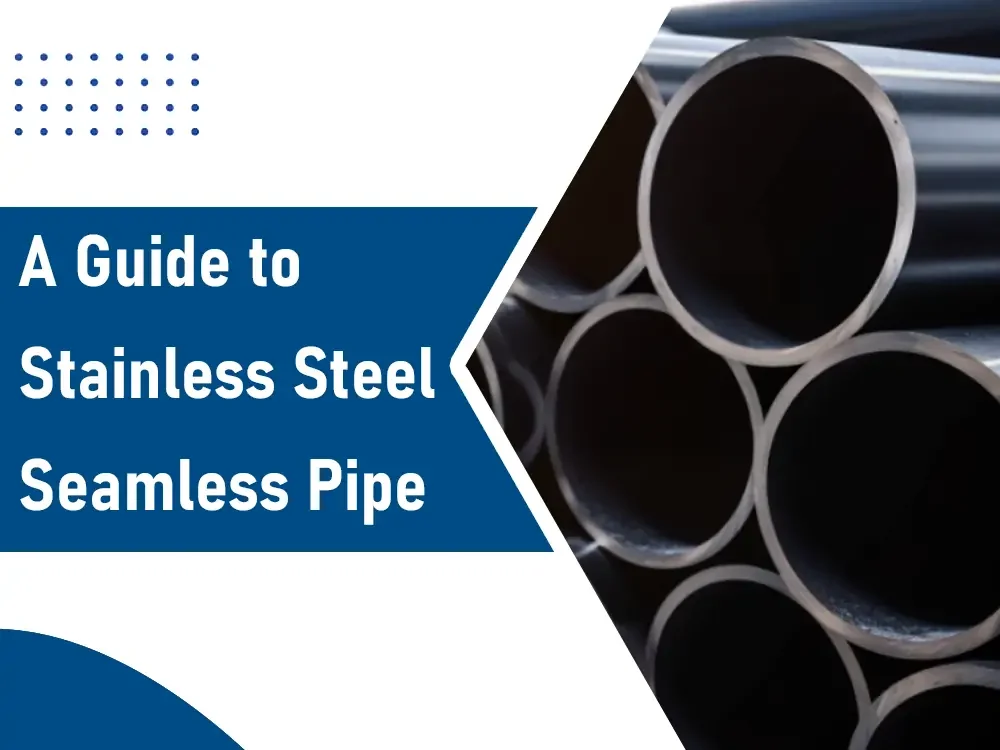
Seamless stainless steel pipes are highly important in contemporary industrial systems. These pipes are a supporting element of power generation and thermal systems. Seamless pipes are suitable for high pressure and extreme temperatures. These pipes are more effective than welded pipes. They don’t have joints. They are corrosion-resistant. These pipes are crucial in oil and…

19
Dec
Dec
When you see the sealing process of the urban heating pipeline system, we will notice that those curved and twisted pipes are connected together. This reliable connection method must include a key component that is both durable and versatile – the stainless steel blind flange. This component has always been the preferred solution in such…
19
Dec
Dec
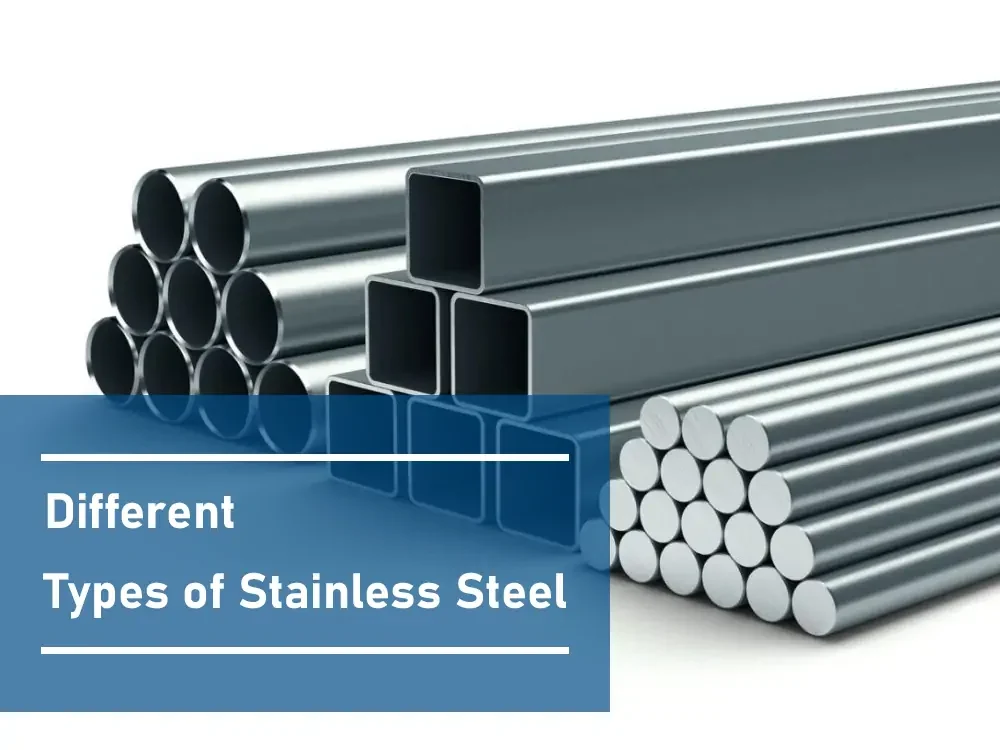
Stainless steel is renowned for its excellent corrosion resistance. Martensitic, austenitic, and ferritic stainless steels are the three most common types. Austenitic Stainless Steel You may not be familiar with austenitic stainless steel. In fact, the most commonly used 304 and 316 grades of stainless steel both belong to the austenitic type! It contains a large…

18
Dec
Dec
Stainless steel fittings play an essential role in the piping systems of many industries. Their usage in oil and gas pipelines makes them popular. They are a pillar in several manufacturing systems. Stainless steel does not corrode as compared to ordinary steel. Stainless steel fittings come in various types, including compression and tube fittings. Flanges…
12
Dec
Dec
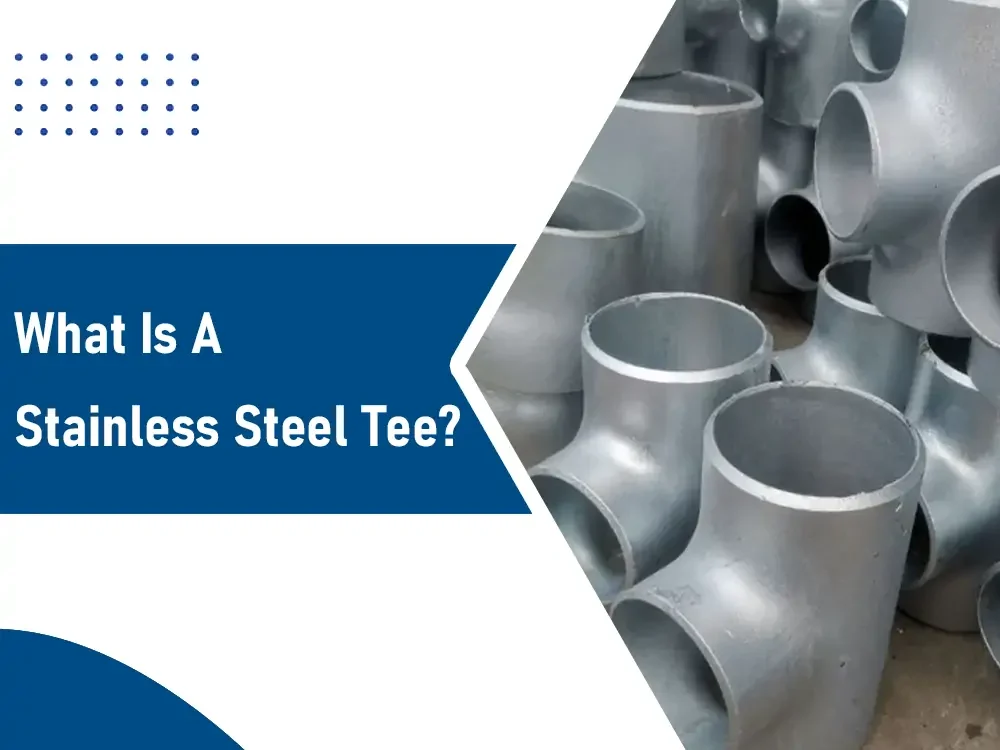
The first look when you see the stainless steel tee, what do you relate it to? Like an alphabet “T”. And how about the usage of the stainless steel tee? Of course, use it to transport liquids like water, beer, and so on. The stainless tee has three holes, which are convenient for changing the…
05
Dec
Dec
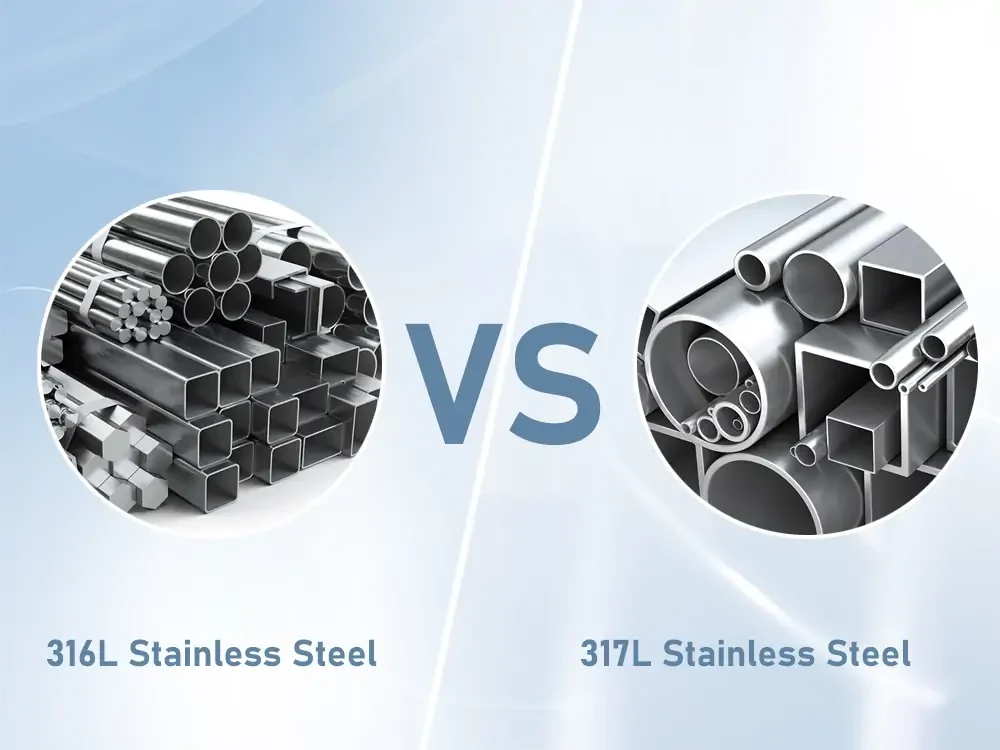
When choosing stainless steel products, most industrial and residential applications opt for 316L stainless steel due to its strong corrosion resistance. However, in more complex corrosive environments, 317L stainless steel offers better corrosion resistance. Among the core components, both 317L and 316L are austenitic stainless steels and are both low-carbon (carbon content≤0.03%) grades, which can…
01
Dec
Dec
As industrial production increases, industries such as chemicals, petroleum, and energy demand more from fluid transport pipelines. In the past, common pipelines used for corrosive substances often leaked. They were under high temperature and pressure, which caused damage. This not only slowed production but also posed serious safety risks. To fix this important industry problem,…
01
Dec
Dec
In the production of stainless steel piping systems, pipe opening treatment is a critical step, as it determines connection reliability, pressure resistance, and service life. BE (bevel end), PE (flat end), and TE (threaded end) are the three main pipe opening treatments. Due to their different structural designs, there are also differences in their applicable…
25
Nov
Nov
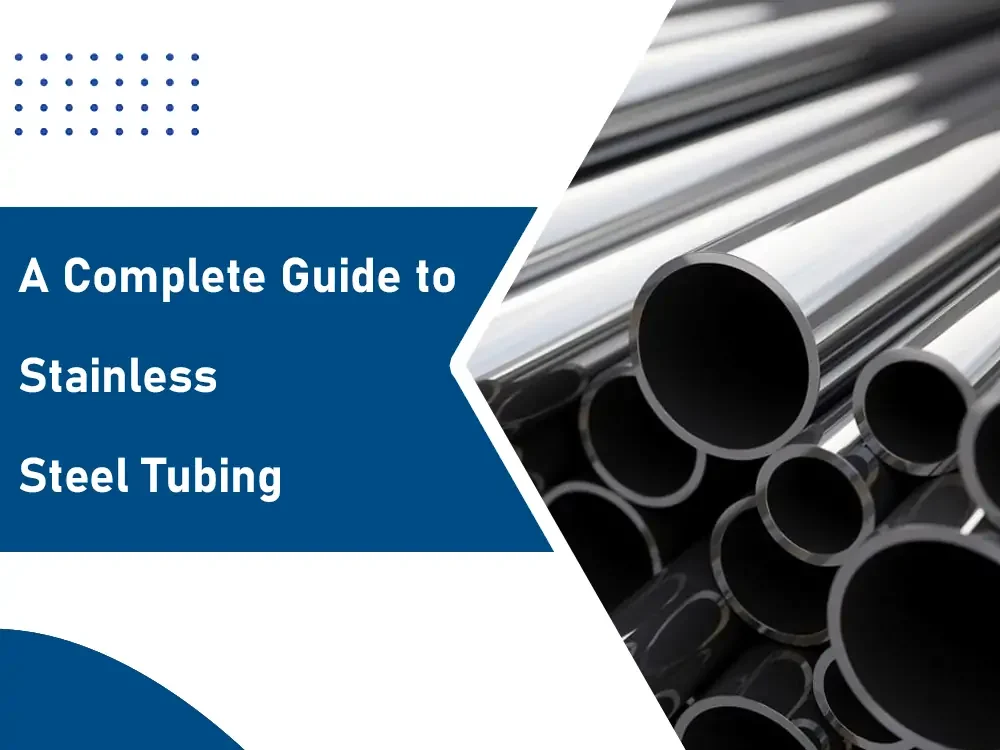
Cold rolling and hot rolling are the two primary methods for producing stainless steel. They differ in processing temperature, product performance, and areas of use. Hot rolling is mainly processed at high temperatures. During this process, the billet is heated to over 1000°C, and the material becomes more malleable and easier to form. Then, the…
24
Nov
Nov
Introduction Stainless steel tubing is used in nearly all major industries today. It is found in the construction industry, automotive systems, aircraft, factories, chemical plants, food processing plants, and in the medical field. There are many reasons it gained popularity, like: Excellent combination of qualities Strength Corrosion resistance Long life Modern appearance Manufacturers focus on…