
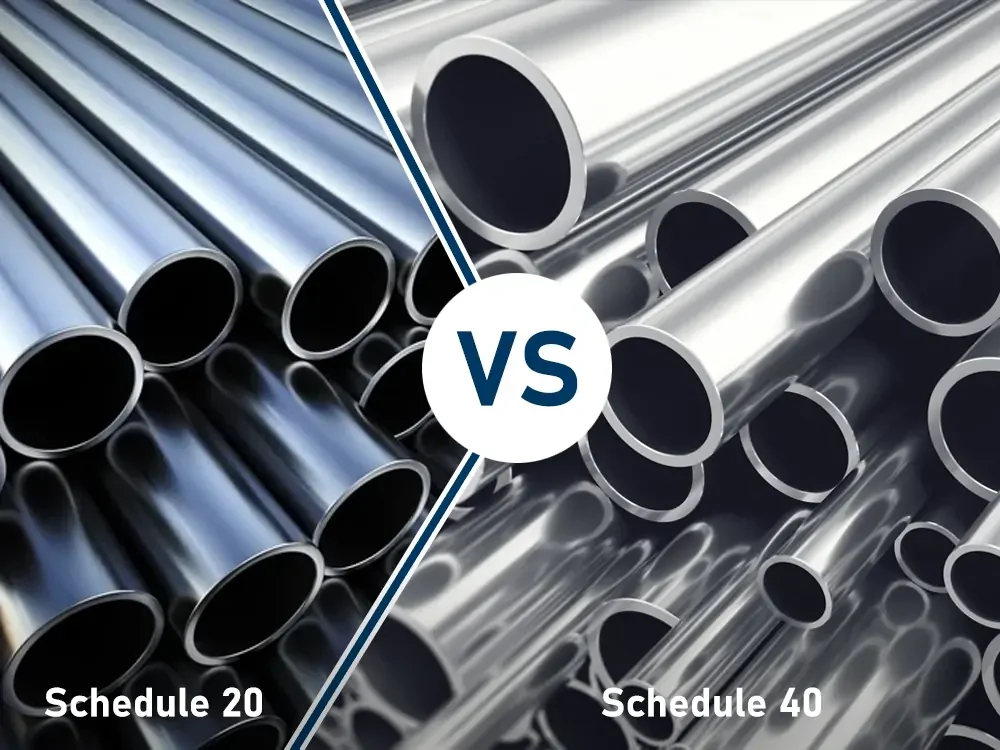
The pipe made of steel plays an essential role in most industries and day-to-day business. These pipes are applicable in a wide range of industrial processes. They primarily transport gases, water, and various other substances and liquids. When selecting a pipe for use, an accurate type is crucial because it influences cost, durability, and performance….
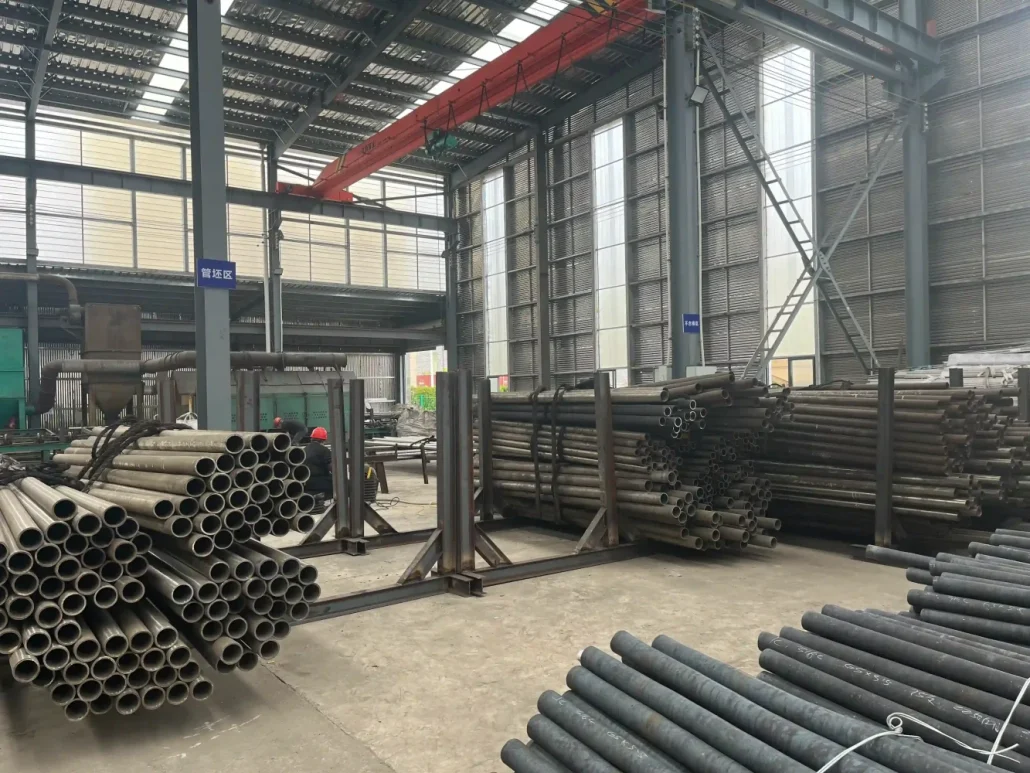
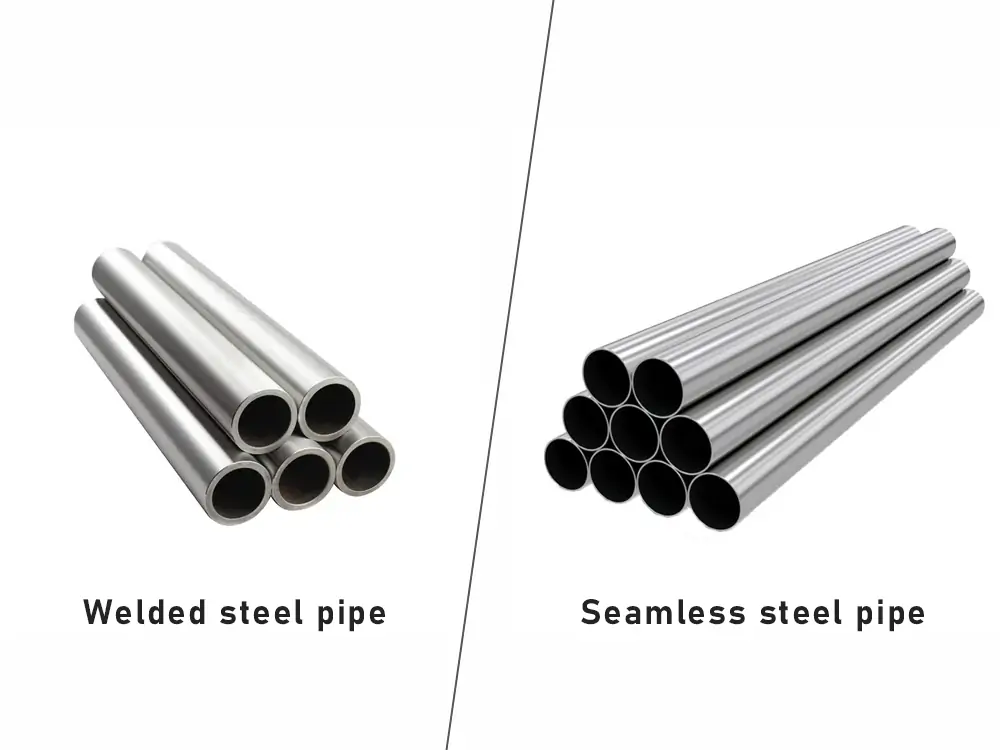
14
Aug
Aug
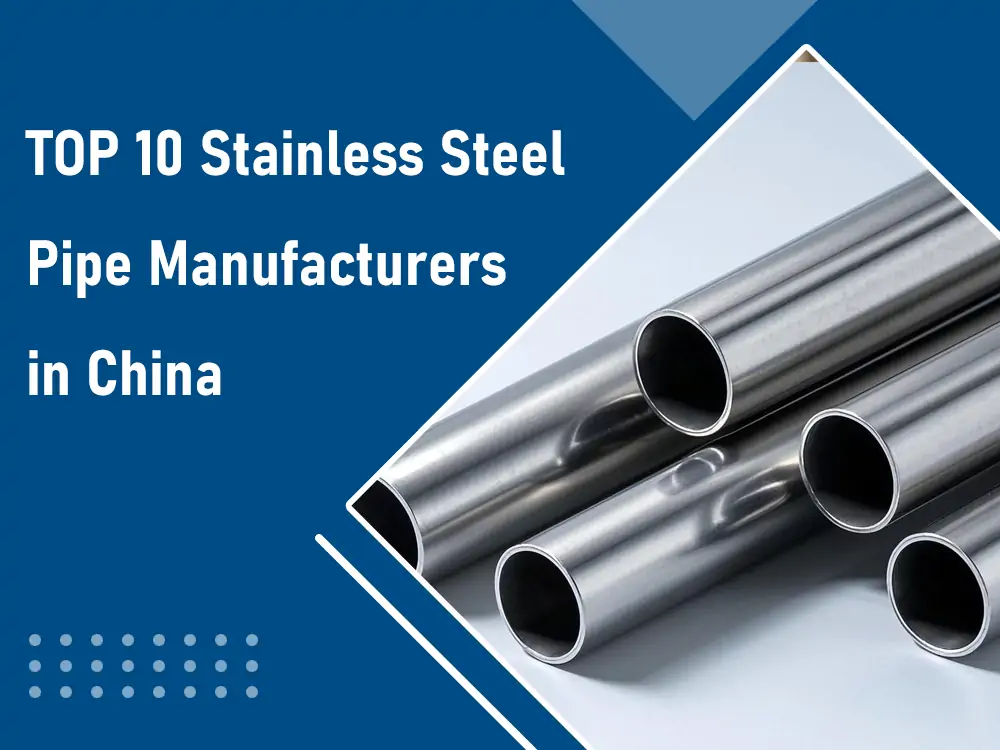
Previously, there were other processes through which people manufactured stainless steel pipes. Steel tubing has become a popular construction material because it does not corrode. There are two methods of manufacturing stainless steel tubes, which include welded and seamless. Such tubing systems can be applied in the transportation of gases and fluids, and that is…
14
Aug
Aug
Stainless steel pipes are popular. They resist corrosion, are durable, and strong. Every industry works according to the needs of the customer in the respective area. These industries supply stainless steel pipes to many sectors. This includes oil, gas, food processing, and construction. This article shares details about the top ten stainless steel pipe manufacturers…
06
Aug
Aug
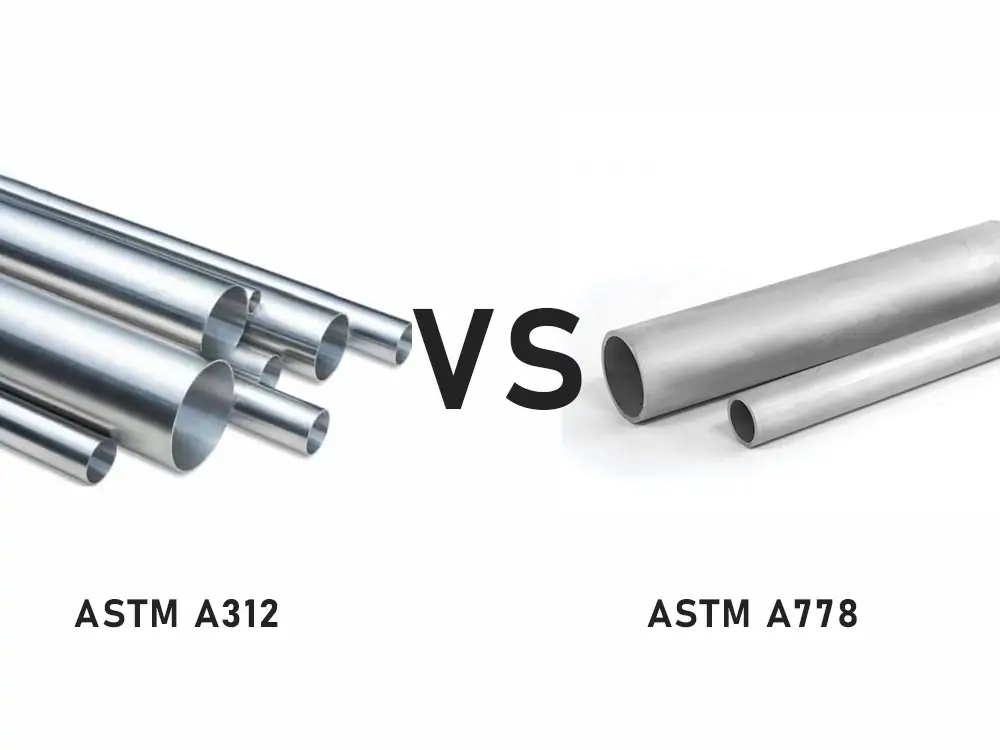
Specifications such as the ASTM (American Society of Testing and Materials) on stainless steel pipes may enable individuals to determine the durability, reliability, and corrosion resistance of the pipes. The most widely demanded specifications are ASTM A312 and ASTM A778. These two types are used during the manufacturing of austenitic stainless steel pipes. This paper…
29
Jul
Jul
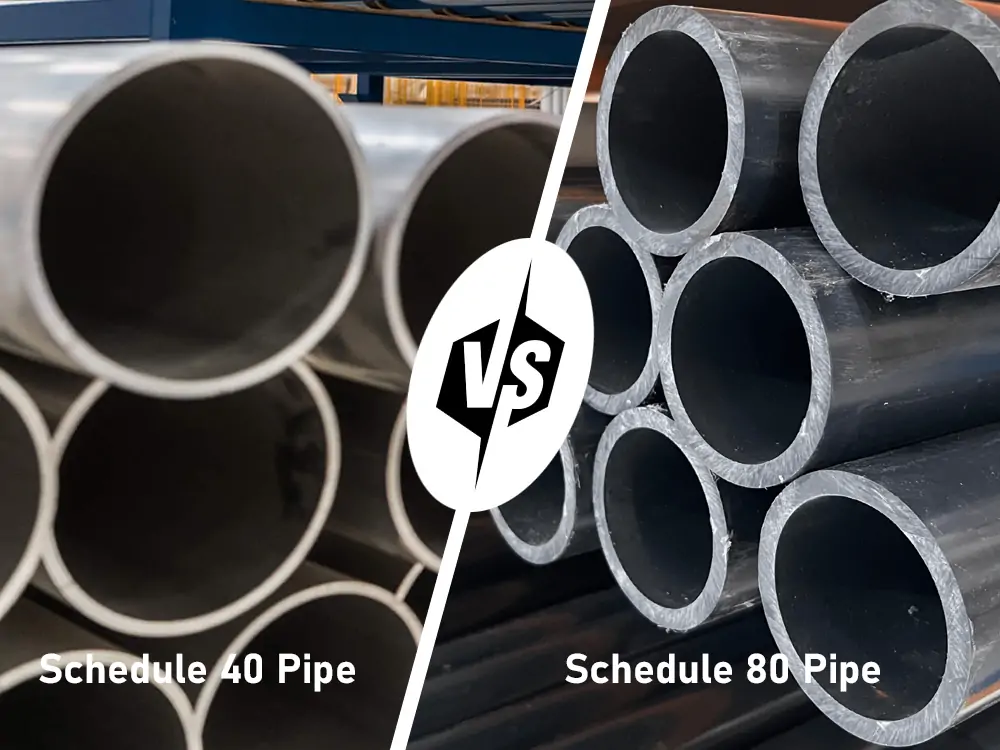
When selecting pipes for a project, diameter is only one of the crucial considerations. Pipe schedule is equally, if not more, important to understand and determine. Schedule 40 and Schedule 80 refer to wall thickness, not size. People often confuse the term “schedule” with pressure rating. That’s not how it works. The schedule number indicates…
15
Jul
Jul
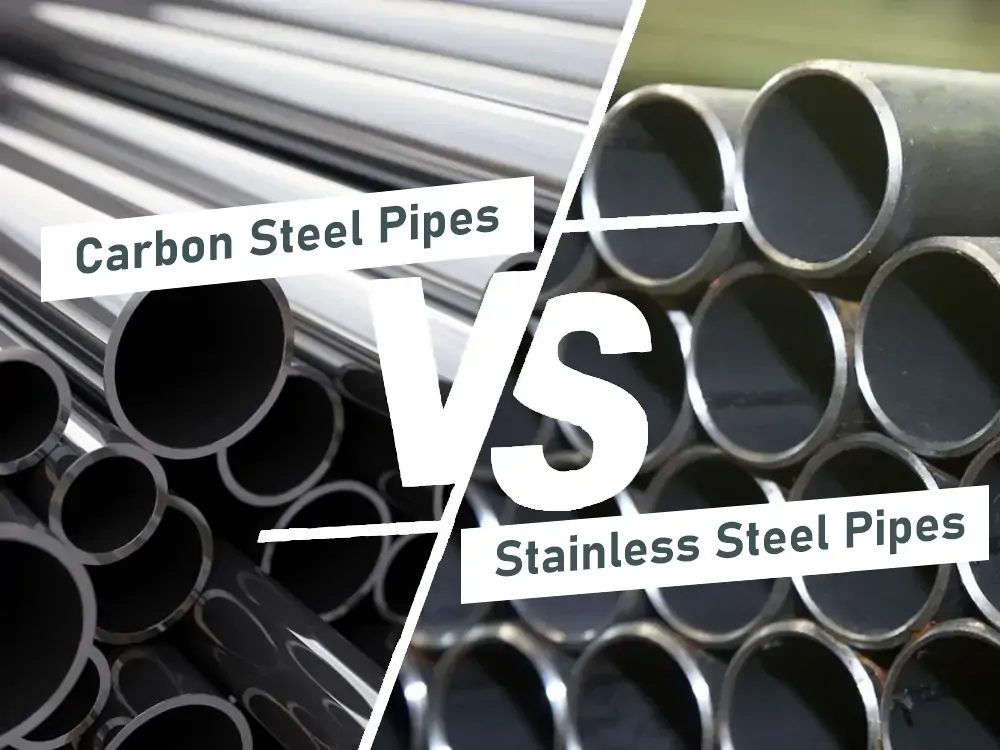
You must choose materials based on the environment and load needs. Carbon and stainless steel serve different mechanical and chemical demands. Carbon steel excels in strength-heavy, high-pressure environments. Stainless steel performs in corrosive, sanitary, or volatile conditions. Engineers use both in oil, water, HVAC, and structural systems. Selection impacts cost, maintenance, and lifecycle performance. Misuse…

11
Jul
Jul
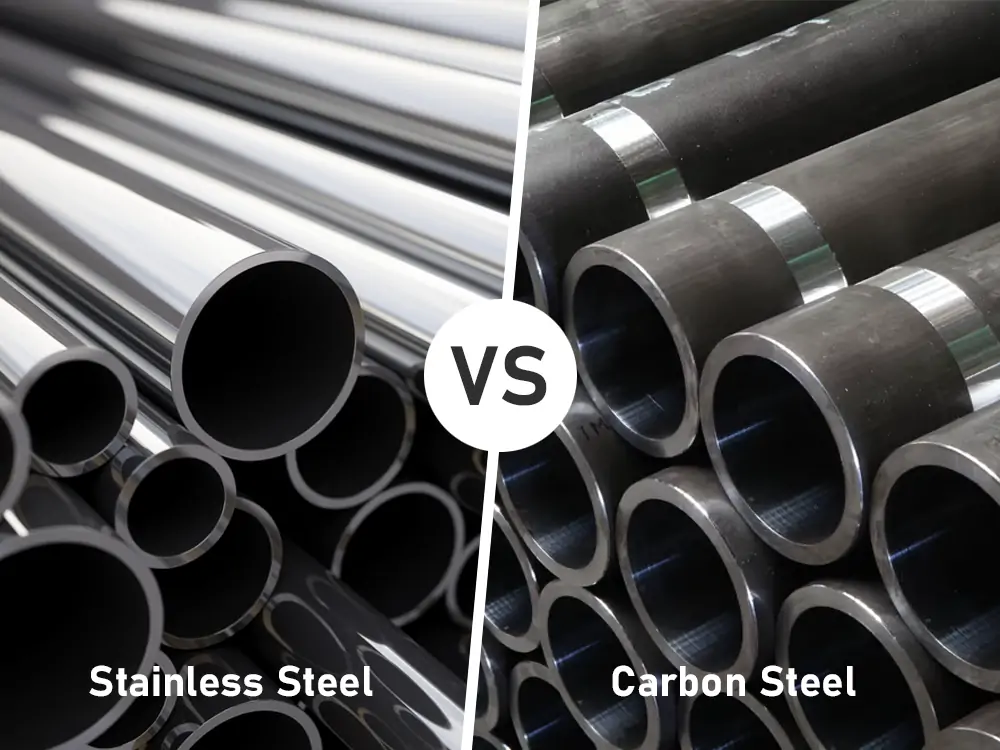
Stainless steel pipes and tubes are required in modern infrastructure to transmit to sectors like oil and gas or food and pharmaceuticals. The reason to use these materials is that they are corrosion-resistant, strong, and resistant to high pressure and high temperatures. The products generated from the stainless steel industries have applications in oil, gas,…
09
Jul
Jul
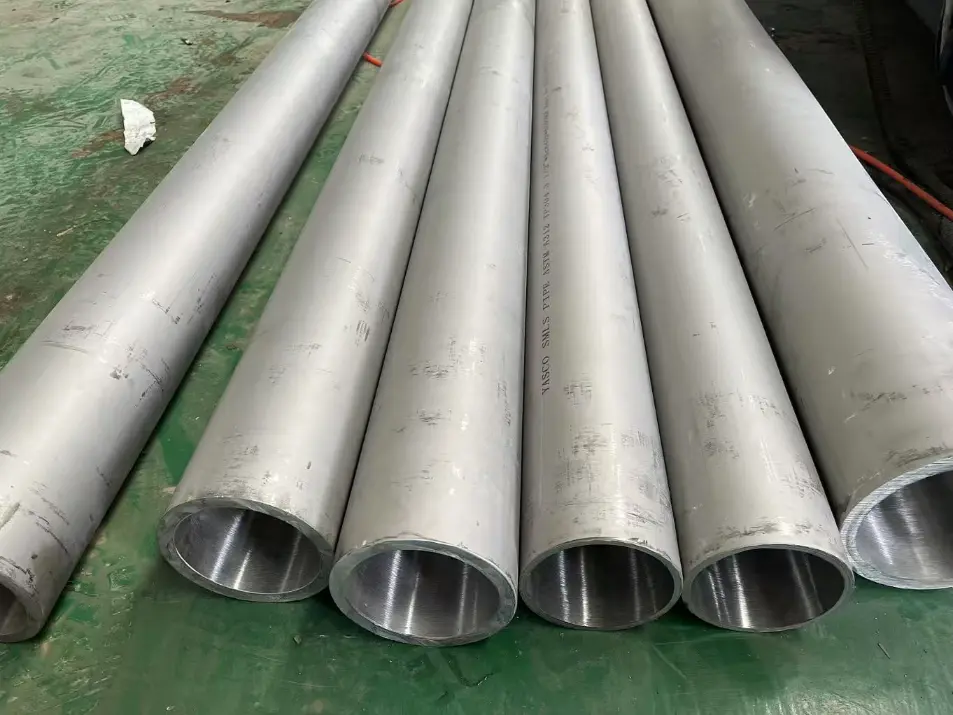
Material Composition Carbon steel consists primarily of iron and carbon, with carbon concentrations ranging from 0.0218% to 2.11%. It incorporates relatively minor quantities of impurity elements, such as manganese, silicon, sulfur, and phosphorus. Its properties are predominantly governed by carbon concentration. Elevated carbon levels enhance hardness and strength, whereas plasticity and toughness diminish. Consequently, carbon steels are categorized into low-carbon, medium-carbon, and high-carbon types based…
27
Jun
Jun
1.Basic Information and Classification 12Х2Н4А is a Russian grade of alloy structural steel (corresponding to the Chinese grade 12cr2ni4A , classified as a high-strength carburizing steel. Due to its chromium (Х) and nickel (Н) alloy elements, it combines high strength, good toughness, and wear resistance. It is primarily used for manufacturing precision parts subjected to…