
Introduction The 316 stainless steel pipes are used in various industries. Builders and engineers use them in oil, food, and medical systems. Several engineers use these pipes in seawater, acid, or strong chemical environments. These pipes are austenitic stainless steel. The steel contains very small molybdenum content. This is to ensure that the steel does…
26
Feb
Feb
Introduction The popularity of seamless stainless steel pipes is increasing as they are a fundamental product in most industries. Applications of stainless steel pipes involve the chemical, oil and gas, and power industries. The food processing, marine, and pharmaceutical industries use stainless steel pipes on a large scale. The success of industrial projects depends on…
12
Feb
Feb
Introduction Thin wall stainless steel tubing has many applications in many industries, from construction to medical equipment. You’ll see it a lot in cars, food-processing equipment, handrails, and more. Selecting the correct tube size is important to ensure it is strong, lightweight, and performs well. People are usually attentive to the color of the electrical…
10
Feb
Feb
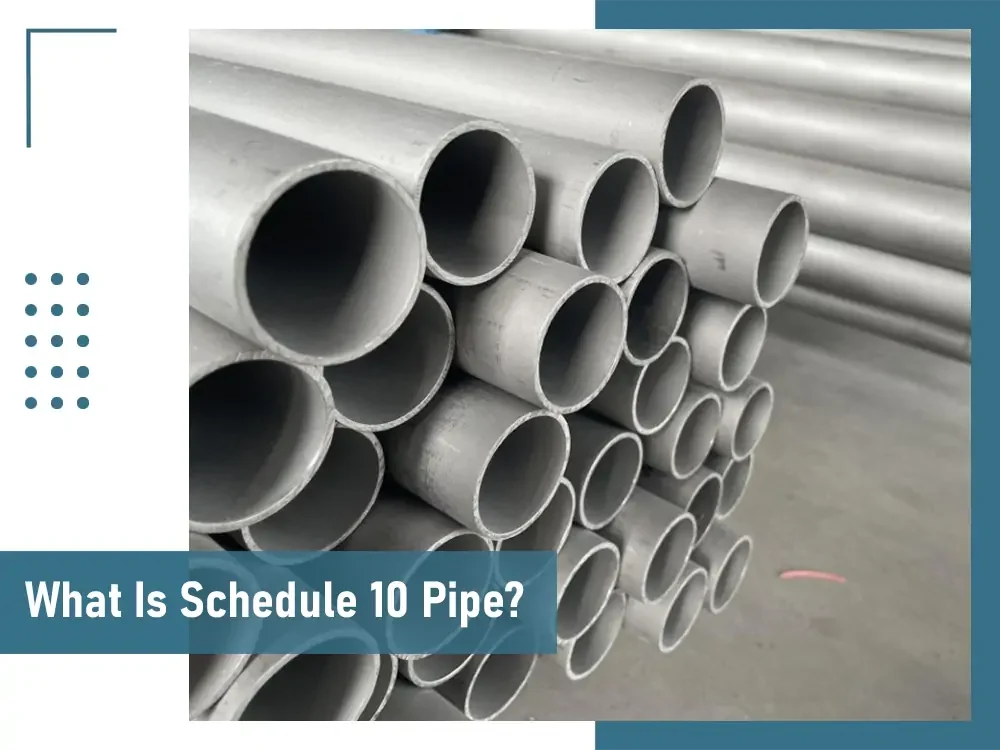
Introduction When encountering various steel pipe types with different lengths and thicknesses, people often get confused by pipe schedules. There are numerous pipe schedules, for example, Schedule 5, 10, 20, 40, 60, 80, and more. The lower the schedule number, the thinner the pipe wall; as the schedule number increases, the wall becomes thicker. A…
04
Feb
Feb
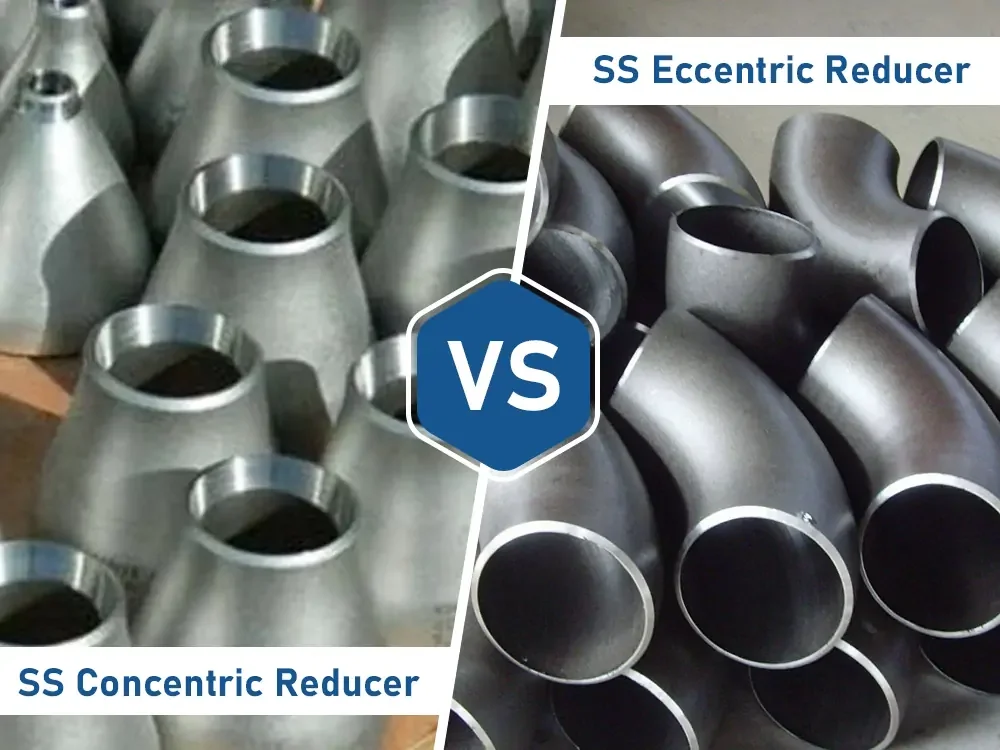
Reducers are among the most essential fitting tools in piping systems. They connect two pipes of different diameters without causing leakage issues. However, two popular reducers used in piping are the SS concentric and eccentric reducers. There are many differences between them that spark debate over SS concentric reducers vs. SS eccentric reducers. One thing…
21
Jan
Jan
Introduction The wall thickness of the steel pipes determines their applications. Whether to use them in industrial, residential, and commercial projects. The buyer focuses on the material and the diameter. But the main factor in selecting stainless steel pipe for specific applications is wall thickness. Factors that depend on the wall thickness are: Resistance tolerance…
19
Jan
Jan
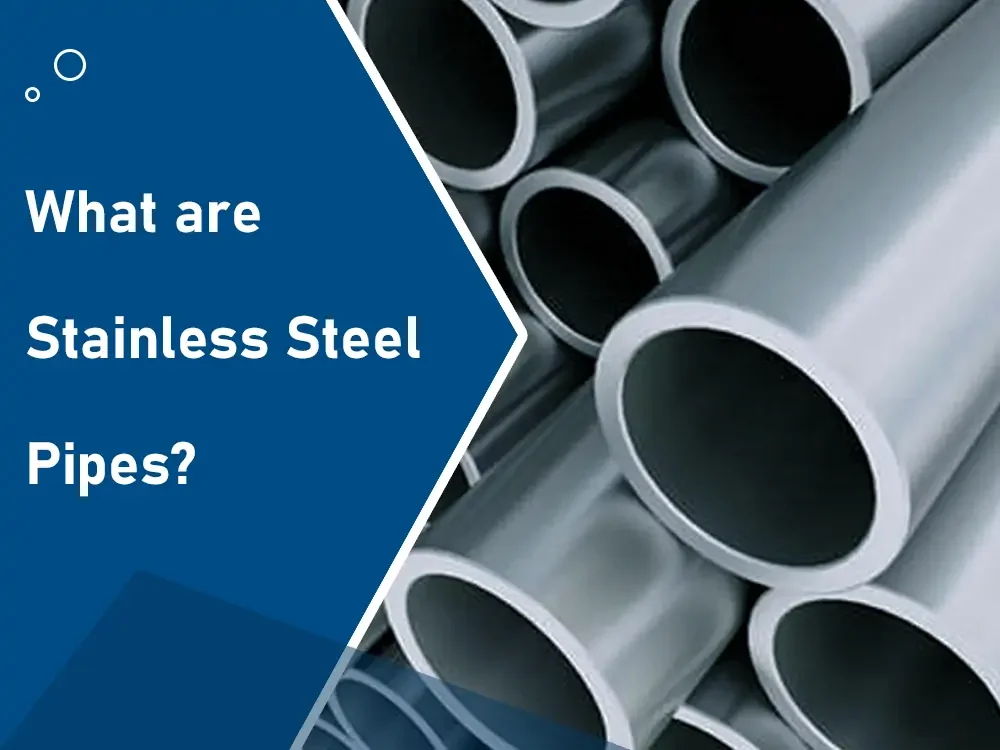
Introduction Stainless steel (SS) pipes are among the most preferred pipes due to their versatility and unique properties. These pipes are highly resistant to rust and perform exceptionally well in moist or chemically aggressive environments (especially those containing acids or chlorides). Market projections indicate that, driven by increasing demand, the stainless steel pipes market is…
14
Jan
Jan
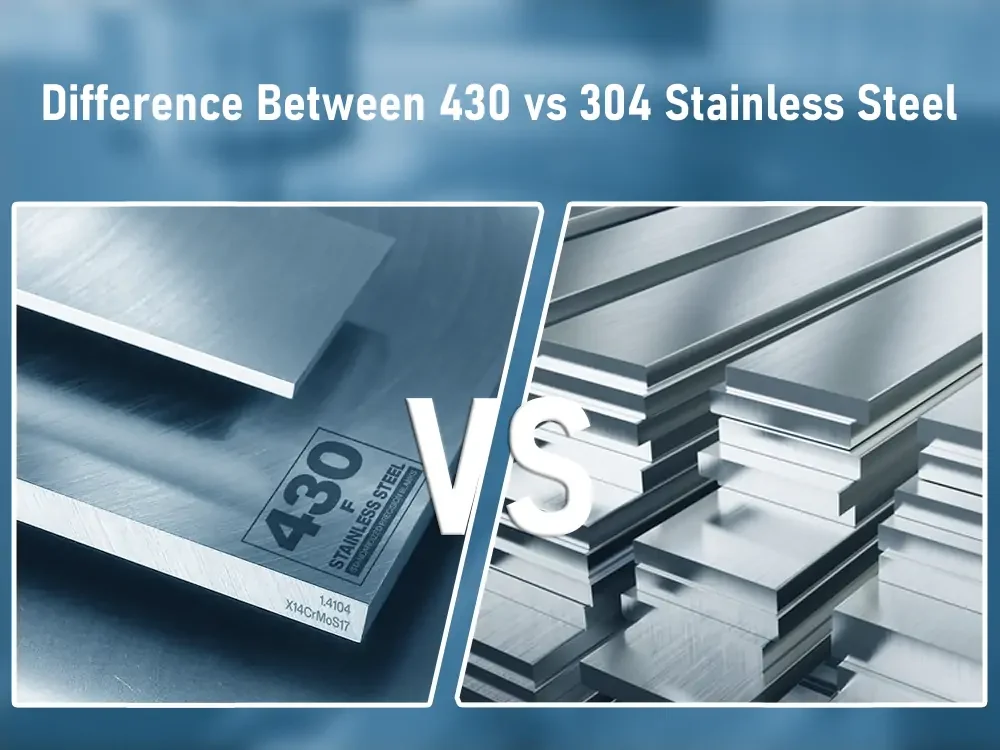
Introduction Stainless steel is a common metal that is used in industry, construction, and everyday life. It does not rust and is used in the kitchen, automotive components, chemical machinery, and decorations. The type of stainless steel determines the material’s durability, cost, and performance. The most popular grades are the 304 and 430. This article…
12
Jan
Jan
Overview SS pipes (stainless steel pipes) are widely used as core materials in modern industrial systems. These pipes are applied in situations where the consistency of performance is critical. They provide a guarantee of safety, durability, and hygiene for the systems. Stainless steel pipes can withstand corrosion, changes in temperature, and mechanical stress. However, using these pipes…
25
Dec
Dec
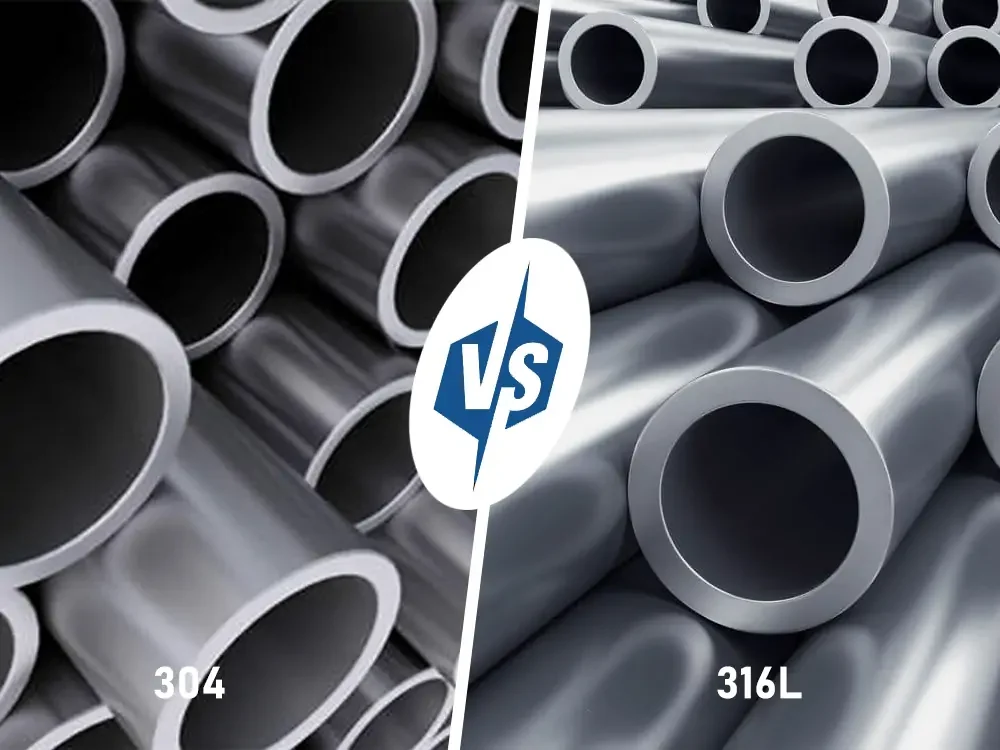
In the food and beverage industry, the safety, hygiene, and durability of transportation pipes directly affect product quality and production efficiency. The 304/316L austenitic stainless steel pipes, with their excellent performance, have become the preferred choice in the industry. The stainless steel pipes for beverage transportation mainly use 304/316L austenitic stainless steel. The material complies…