
When choosing stainless steel products, most industrial and residential applications opt for 316L stainless steel due to its strong corrosion resistance. However, in more complex corrosive environments, 317L stainless steel offers better corrosion resistance.
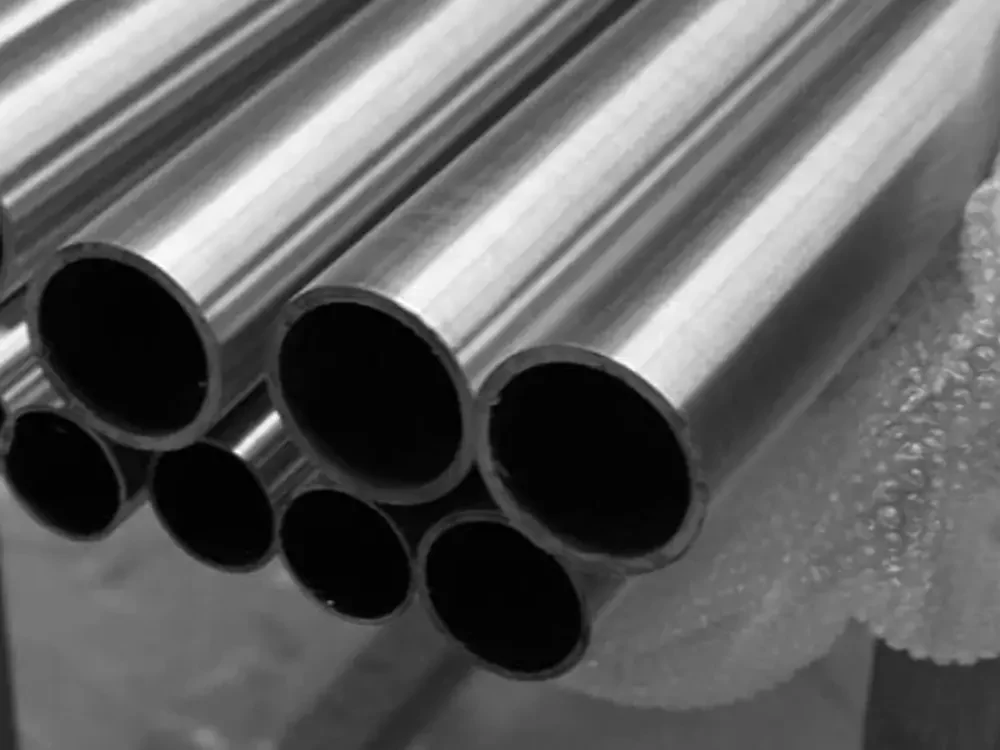
Among the core components, both 317L and 316L are austenitic stainless steels and are both low-carbon (carbon content≤0.03%) grades, which can effectively reduce the risk of crystal corrosion. The main difference in performance between the two lies in the element content. The chromium content of 316L is approximately 16%-18%, the nickel content is 10%-14%, and the molybdenum content is 2%-3%. The chromium content of 317L is increased to 18%-20%, the nickel content remains at 11%-15%, and the molybdenum content is significantly raised to 3%-4%. This is because molybdenum is the key to enhancing stainless steel’s corrosion resistance, and a higher molybdenum content means greater corrosion resistance. Increasing molybdenum content improves the corrosion resistance of 317L in chlorine-containing media, such as seawater and chemical solutions. This boost is about 20% to 30% better than 316L. It effectively reduces the risk of local corrosion failures from chloride ions.
In practical applications, the advantages of 317L are very evident. In seawater desalination equipment, 316L may develop pitting corrosion after extended use in pipelines and heat exchangers. In contrast, 317L resists seawater immersion well and provides better corrosion protection. In the chemical industry, where corrosive liquids containing sulfur and chlorine are used, 317L stainless steel can effectively reduce the risk of equipment leakage from corrosion. Coastal areas with high humidity and salt can benefit from using 317L stainless steel. This steel is ideal for high-cleanliness equipment in construction and food processing. It extends the product’s service life and reduces equipment maintenance costs.
Although 317L has better corrosion resistance, its cost is about 15% to 25% higher than that of 316L. In fact, 317L is similar to 316L in terms of processing performance (such as welding and bending), so no additional adjustments to processing technology are needed. Therefore, when selecting a model, if the scene is at high risk of corrosion, 317L should be given priority. If the corrosive environment is mild, 316L is sufficient, balancing performance and cost.