
When it comes to 316 and 316L stainless steel, many people may mistakenly think they are the same material.
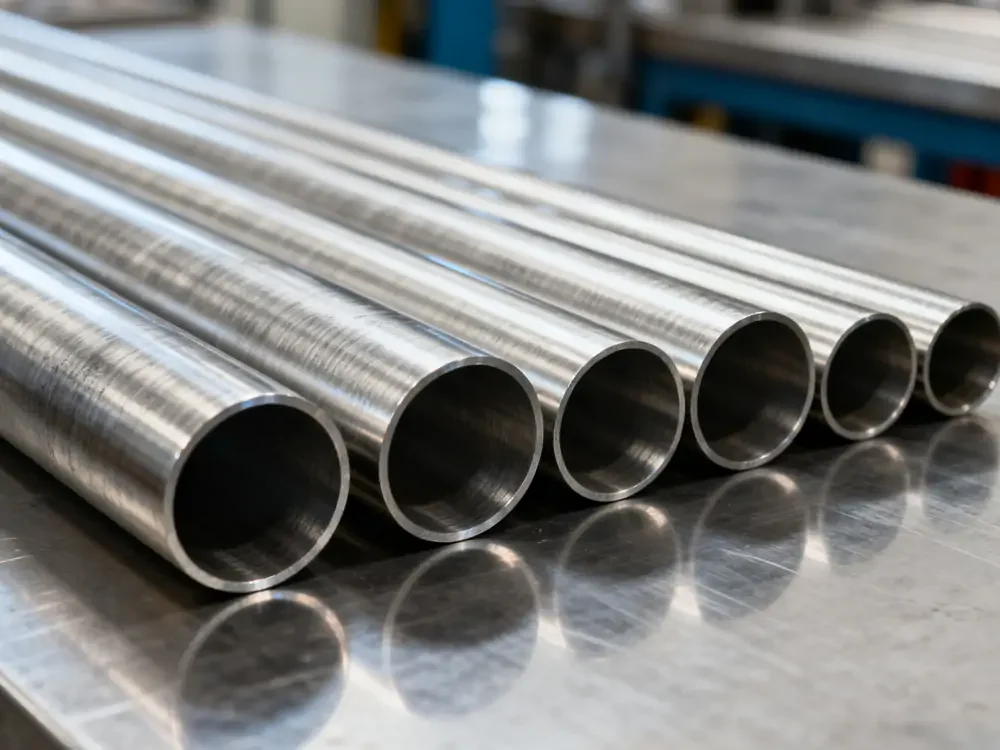
In fact, they are not. Although it’s just a difference of one L, their properties differ in many respects. Also, in many fields, such as industrial production, medical devices, and kitchenware, they are selected based on different usage scenarios.
The most prominent difference between 316 and 316L is their carbon content. The carbon content standard for 316 stainless steel is ≤0.08%, and for 316L, it is ≤0.03%. This “L” stands for “Low”, which means low carbon content. Although the carbon content of the two appears to differ slightly, it is precisely this difference that directly affects the risk of intergranular corrosion during welding. When the weld area is heated, excessive carbon will combine with chromium to form carbides, damaging the anti-oxidation protective layer. But for 316L, its extremely low carbon content effectively avoids this problem, making it particularly suitable for welding applications with high cleanliness requirements, such as chemical pipelines and pharmaceutical equipment.
At high temperatures,316 and 316L also show certain differences. Although both can withstand high temperatures, 316L performs better. Its excellent resistance to carbide precipitation makes it easy to operate in the temperature range of 425-850℃.
When in the temperature range of 800 to 1575℃, 316 stainless steel may experience a decline in corrosion resistance due to the precipitation of chromium carbide. However, 316L can reduce the occurrence of this problem, thereby improving its performance stability and reliability in high-temperature environments.
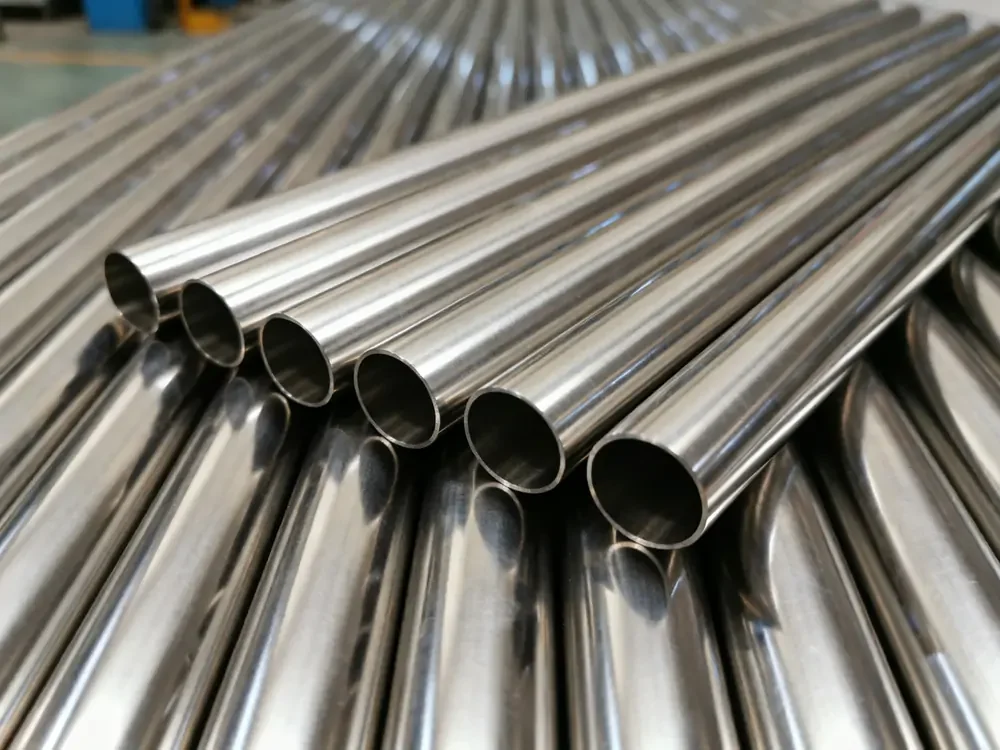
In terms of corrosion resistance, 316L performs even better. Its low-carbon design not only enhances its corrosion resistance but also demonstrates outstanding resistance in environments containing chloride ions. Whether it is a seawater desalination device or a Marine engineering structural component, 316L can always keep its surface as clean and shiny as new.
In terms of mechanical and processing properties, the strength of 316L is slightly lower than that of 316 stainless steel, but this actually improves its formability and weldability, making it easier to bend, form, and weld. This is definitely a good choice for equipment casings or precision components that require complex shapes, and it can also reduce production costs. In practical applications, the low carbon content of 316L reduces work-hardening, making it easier to cold-work. Meanwhile, the welding performance of 316L is also better, and it does not require annealing treatment after welding, thus simplifying the manufacturing process.
Due to the differences in performance between 316 and 316L, there are also distinctions in their application fields. For example,316 stainless steel is mainly used in high-temperature environments for chemical equipment, oil and gas processing equipment, nuclear power plant components, high-temperature sterilization equipment, and high-strength support components in medical devices. For 316L stainless steel, it is mainly applied in welding equipment for chemical and Marine environments, pharmaceutical and medical devices, food processing, and Marine construction and ship parts.
To sum up, 316 and 316L stainless steels differ in many respects. Therefore, when choosing materials, it is necessary to consider the actual situation. Only in this way can the most significant benefits be achieved.