

Stainless steel flanges have a disc-like shape. These flanges are used as connectors for valves, pipes, and equipment. These flanges have a variety of applications in modern piping systems. They are of great importance for their durability at high temperatures. Other applications of these flanges are in power generation, chemical processes, gas and oil, and…
12
Nov
Nov
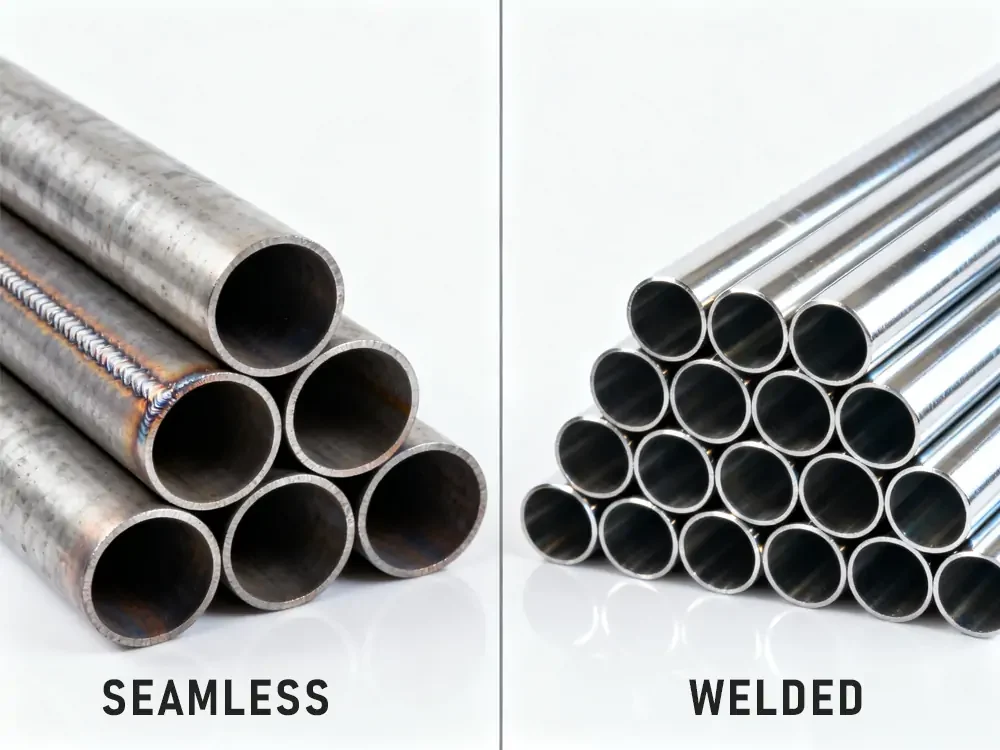
Stainless steel pipes find extensive application in various sectors, including oil & gas, construction, and chemical processing. But did you know there are two main types: seamless and welded? Knowing the distinctions between them can assist in selecting the optimal option for your project. Differences in manufacturing processes In the manufacturing process, seamless pipes and…
29
Oct
Oct
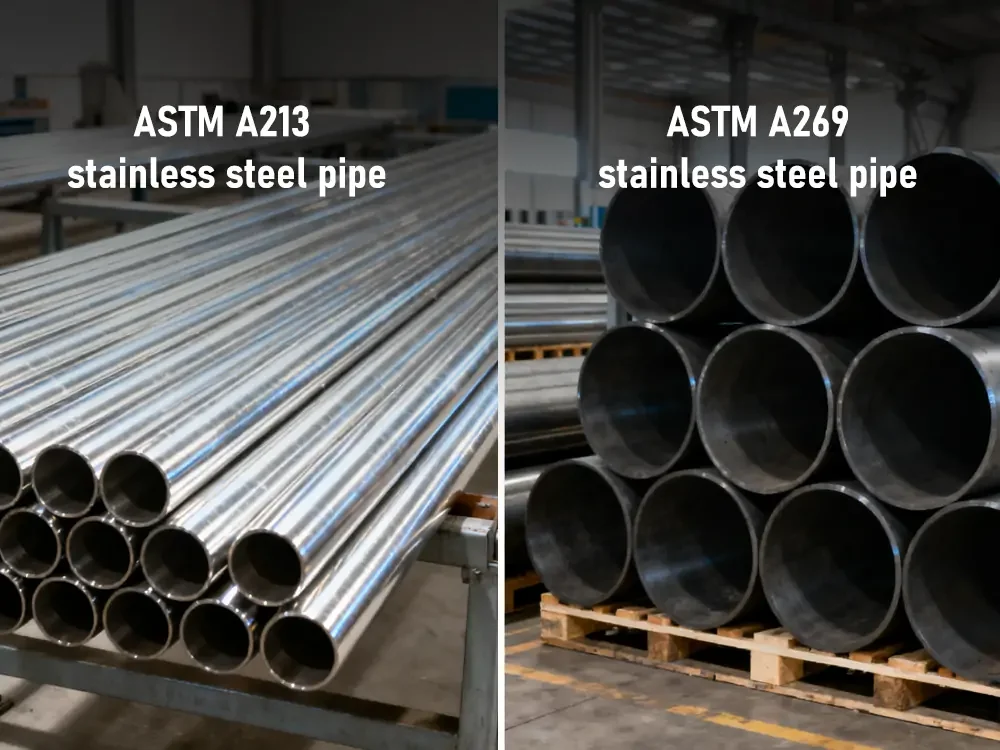
Introduction Many industries use ASTM A213 and ASTM A269, among the most widely used standards for defining quality parameters in the production of seamless and welded stainless steel tubing. Manufacturers can make a suitable choice by considering these specifications. The American Society for Testing and Materials (ASTM) has set these standards for stainless steel tubing….
22
Oct
Oct
Introduction Stainless steel fittings, although small components, serve a significant role in industrial infrastructure. Their market encompasses a wide range of products for oil and gas control and piping systems. According to the market analysis, the stainless steel market is experiencing tremendous growth. With a 5.2% CAGR from 2026 to 2033, it is projected to…

15
Oct
Oct
Introduction There are various grades of steel pipes available, each with a specific level of strength. Schedule 40 is one of the most commonly used pipes for gas and water pipelines, as well as structural support. Precisely, the schedule (SCH) specifies the pipe wall thickness. As the schedule (number) increases, the pipe’s wall thickness also increases….
09
Oct
Oct
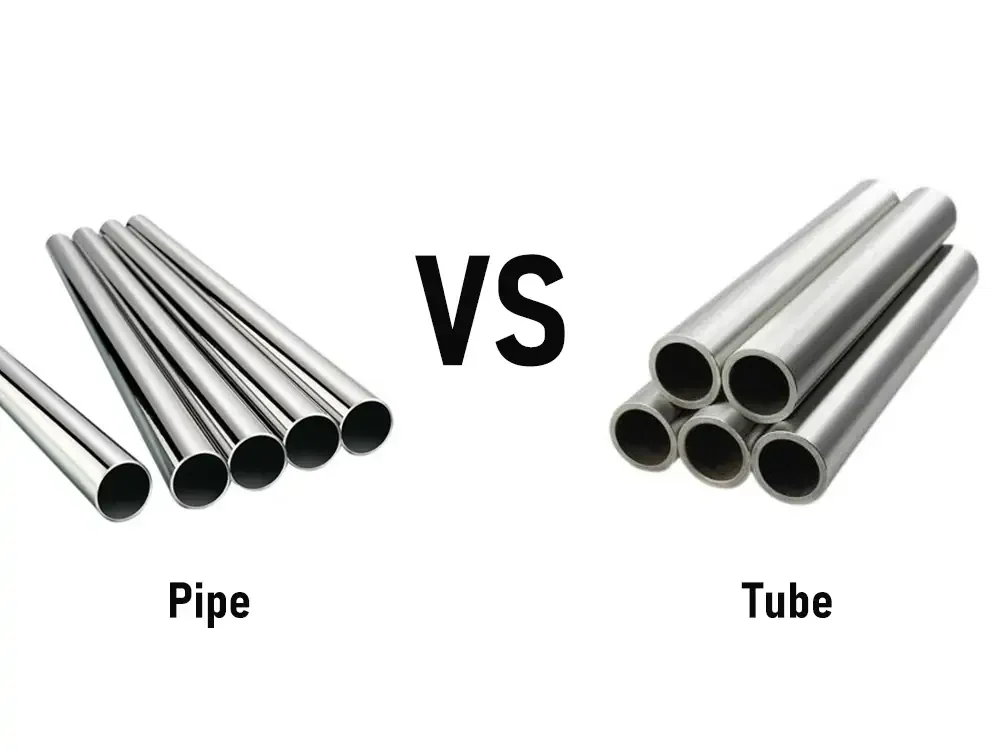
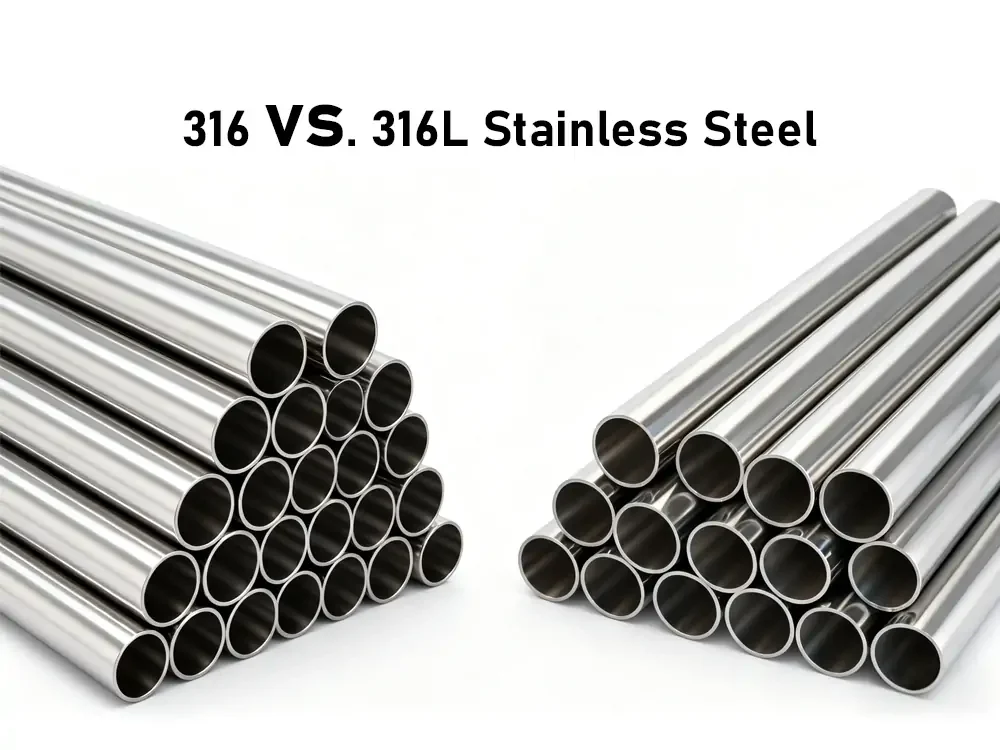
Introduction The oil and gas, construction, food processing, power generation, and pharmaceutical industries require stainless steel pipes and tubes. Although the two may seem the same, the distinction between stainless steel pipe and tube lies in their size standards, wall thickness, manufacturing process, and the purpose for which they are used. This knowledge of these…
29
Sep
Sep
Introduction Various grades of stainless steel alloys are found in the market. Although they may appear to be the same, their composition of carbon, chromium, and other metallic elements differs. The added chromium quantity protects the alloy from corrosion and other damage. Within this wide range of stainless steel alloys, the 300 series is the…
25
Sep
Sep
Introduction Manufacturers know that stainless steel pipes are long-lasting and require minimal maintenance. These qualities make them useful for many tasks. They can carry fluids, strengthen building processes, and improve a building’s design. Their high functionality and attractive design make them the ideal choice for both durability and visual appeal in commercial and residential projects….
25
Sep
Sep
Introduction Manufacturers use stainless steel that is made from alloys of 18% chromium and 8% nickel, which forms 304 stainless steel. It also contains 0.08% of carbon, which provides it with excellent mechanical strength. The 304 stainless steel is more resistant to corrosion, durable, and provides the products with high strength. The material made from…
18
Sep
Sep
The use of standard pipes has vast applications in many areas, from construction to plumbing. Selecting the appropriate type can make a significant difference in the project’s duration. There are various pipes available on the market that manufacturers produce for customers to use in different areas. SCH 20, SCH 40, SCH 40S, and SCH 80…