
In the production of stainless steel piping systems, pipe opening treatment is a critical step, as it determines connection reliability, pressure resistance, and service life. BE (bevel end), PE (flat end), and TE (threaded end) are the three main pipe opening treatments. Due to their different structural designs, there are also differences in their applicable scenarios and other aspects. Therefore, it is essential to understand different pipe-opening treatment methods to select the appropriate pipe connection method.
BE (bevel end) mainly involves processing a bevel at a specific Angle at the opening of the pipe. In some cases, a flat end face is also retained. To ensure regular shapes, professional beveling machines should be used during processing. At the same time, it is necessary to remove burrs and oxide scale to avoid affecting subsequent welding. The BE port is mainly connected by welding. It is suitable for medium and high-pressure applications, such as pipelines for transporting corrosive liquids in the chemical industry and steam pipelines in power stations. These scenarios require high sealing and pressure resistance, and the welded connection of BE precisely meets these requirements. At the same time, it can be applied to pipes that are fixed for a long time without disassembly.
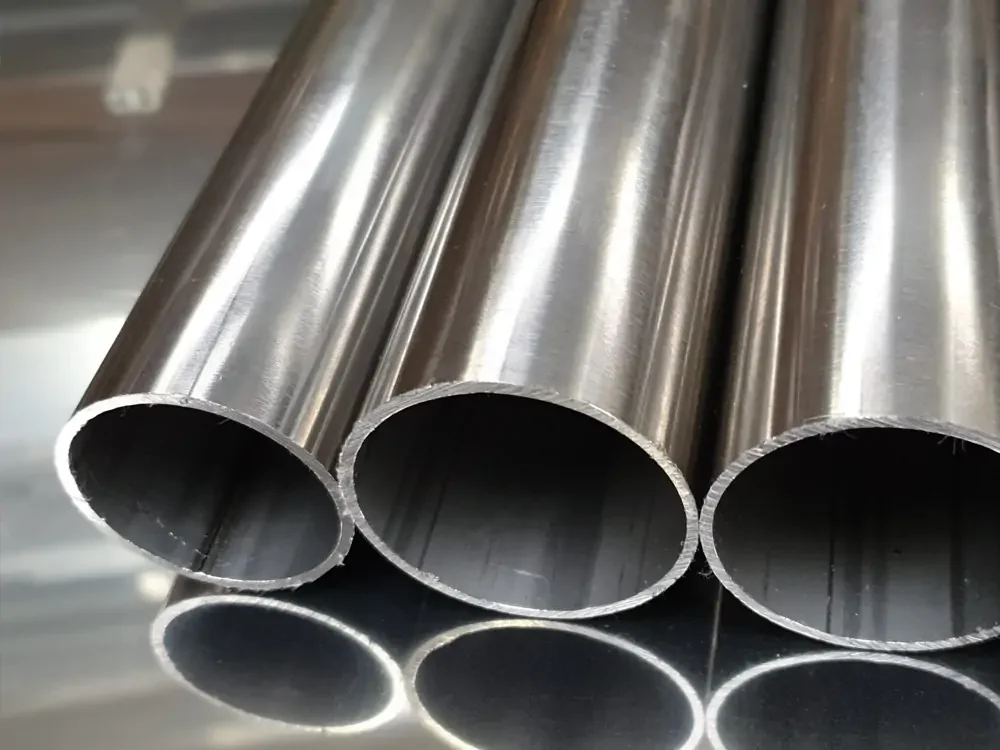
PE (flat end) mainly involves processing the pipe opening into a completely flat cutting surface. The key to processing is to ensure that the end face is perpendicular to the pipe axis and that the surface is smooth and free of impurities, thereby effectively preventing poor sealing during connection. It is usually used in conjunction with flanges or fixtures. The PE port is mainly suitable for low-pressure applications, such as civil water supply pipelines, air-conditioning cooling water pipelines, and compressed air pipelines. This is easy to disassemble and assemble. In the later maintenance, replacing the sealing components will not damage the pipe body, thereby reducing the maintenance cost and difficulty.
TE (Threaded End) mainly refers to continuous threads processed on the inner or outer wall of the pipe opening. During this processing, it is essential to ensure that the thread profile remains intact and undamaged. At the same time, anti-rust treatment can be applied to extend service life. The TE port mainly connects pipe fittings through threaded meshing and does not require welding. It is more suitable for low-pressure and small-diameter applications, such as household gas pipelines and equipment connection pipes. It is also particularly suitable for environments with limited space and inconvenient welding. When connecting, the use of sealing materials can effectively prevent leakage and has a relatively high installation efficiency.
Among the three main port processing methods for stainless steel, BE (bevel end) uses a welded interface, PE (flat end) uses a flange or threaded interface, and TE (threaded end) uses a threaded interface. Meanwhile, in practical applications, it should be noted that TE may be a non-standard term used by specific manufacturers. Therefore, in actual applications, it is necessary to confirm in combination with the product instructions.