
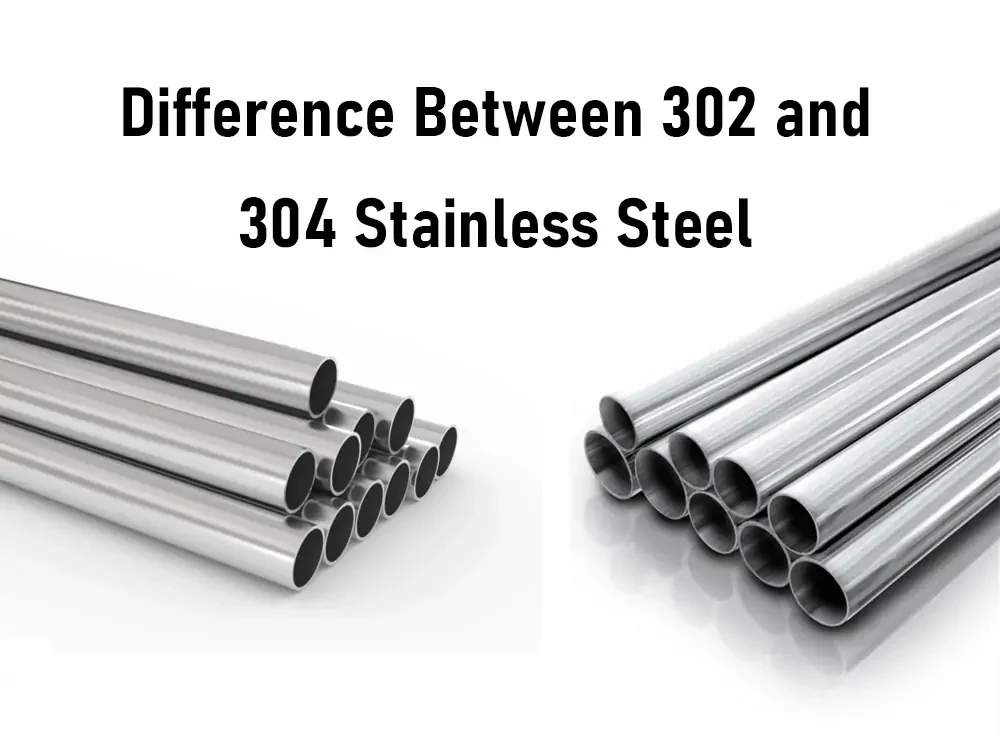
Choosing the right metal for your project can be tricky. Stainless steel is highly durable, corrosion-resistant, and rust-resistant. Some of its popular grades include 302 and 304 stainless steel. They are all classified under austenitic stainless steel. Their differences include carbon content, corrosion resistance, durability, and workability. Selecting a suitable grade will depend on its…
19
May
May
Stainless steel piping is utilized in most sectors today. It has been applied to convey water, gases, foods, and chemicals. Stainless steel is sturdy and rust-resistant. However, its quality relies on the source of procurement. Unreliable sources will supply poor-quality stainless steel pipes. This results in risks and inefficiencies. The following guidelines show how to…
13
May
May
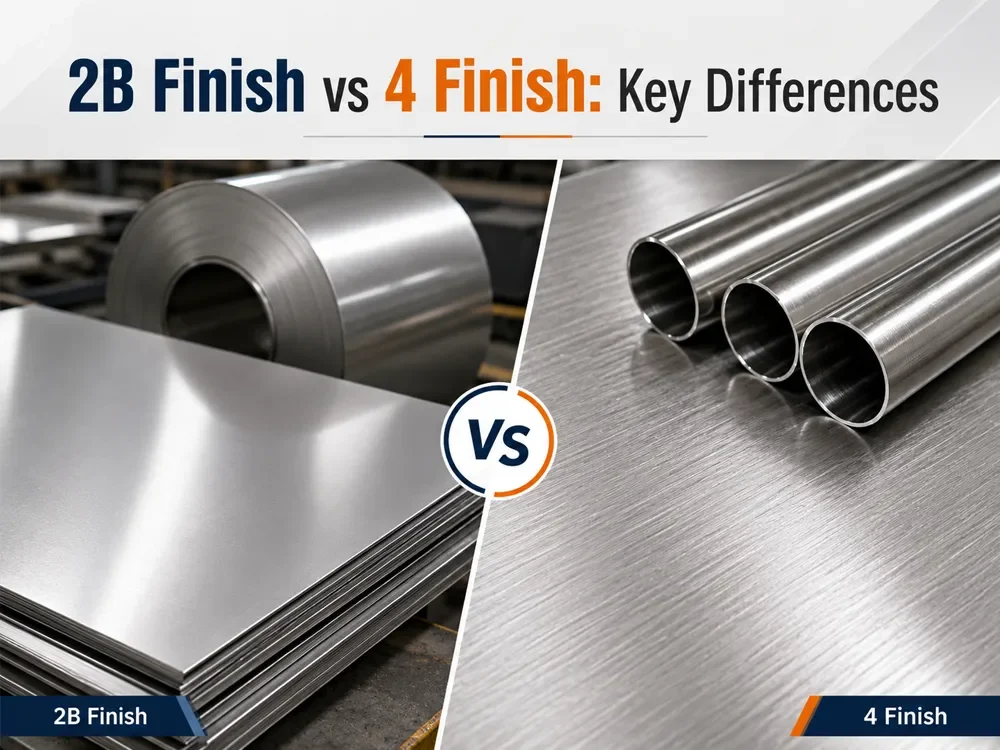
Introduction The stainless steel surface finish plays a vital role in the long-term durability of stainless steel products. These products may involve pipes, sheets, coils, and tubes. 2B finish and No. 4 finish are well-known surface finishes used in industrial applications. The serving purposes of the two finishes are not the same. The function of…
06
May
May
Introduction The most significant part of contemporary piping systems is stainless steel flanges. These flanges provide reliability, effectiveness, and safety of piping systems. To make leakproof joints in the piping system, manufacturers use flanges. These flanges will help withstand high pressure and temperature due to their pressure- and temperature-resistant design. Many industries use stainless steel…
23
Apr
Apr
Introduction Stainless steel pipes are used in water, gas, and industrial systems worldwide. These pipes serve residential houses, industries, and mega infrastructure. The lifespan is reliant on the quality of the material, the environment, and maintenance schedules. The knowledge of lifespan assists in cost and safety planning. Stainless steel has a thin chromium layer on…
17
Apr
Apr
Introduction: To deal with demanding industrial environments, the super duplex pipe plays a key role as a high-performance piping solution. These pipes offer high durability and strong corrosion resistance. High-end performance of these pipes is achieved through alloying techniques. These pipes provide a stable solution where there is a significant exposure to chloride. They also…
14
Apr
Apr
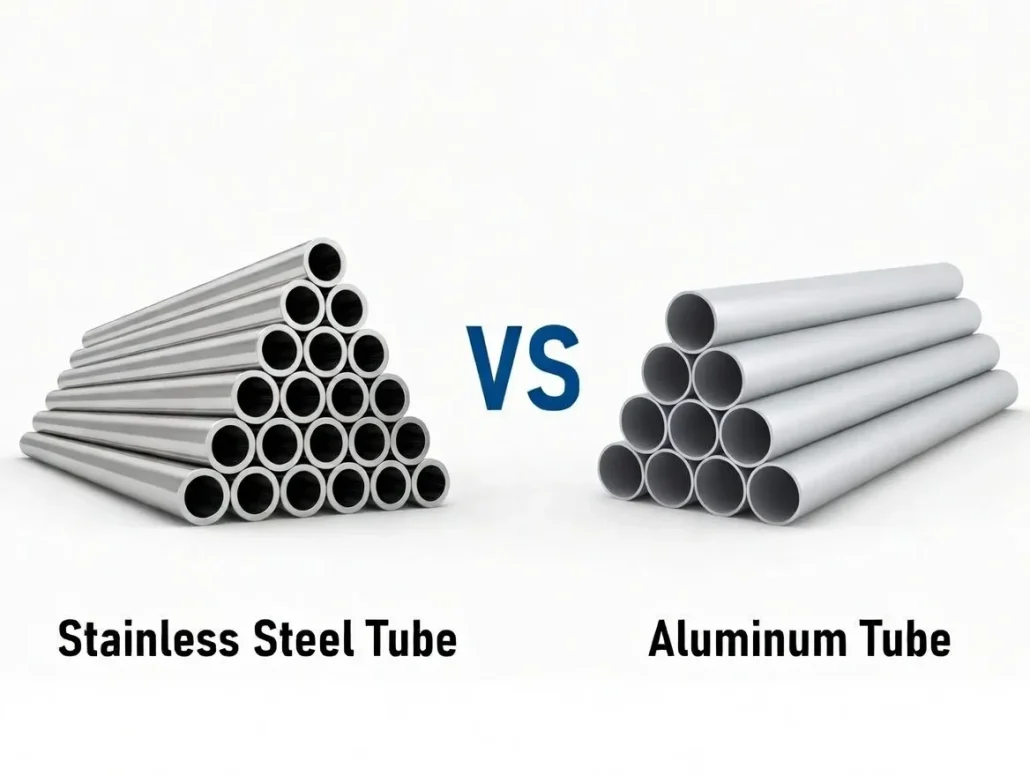
Overview: Stainless steel and aluminum tubes are widely used across engineering, construction, and manufacturing industries. It is challenging for manufacturing professionals to make decisions when choosing materials, such as “stainless steel or aluminum tubing”. Each material has distinct characteristics that determine where it is best suited for different applications. Understanding the mechanical properties of these two materials will…
Introduction Many houses, factories, kitchens, and buildings have stainless steel pipes. Most manufacturers produce such pipes because they are strong and rust-free. They are long-lasting and always in a great state. Dust, grease, water, and chemicals get deposited in the pipes. Dust weakens and dulls the pipes. The pipes can be thoroughly cleaned to last…
27
Mar
Mar
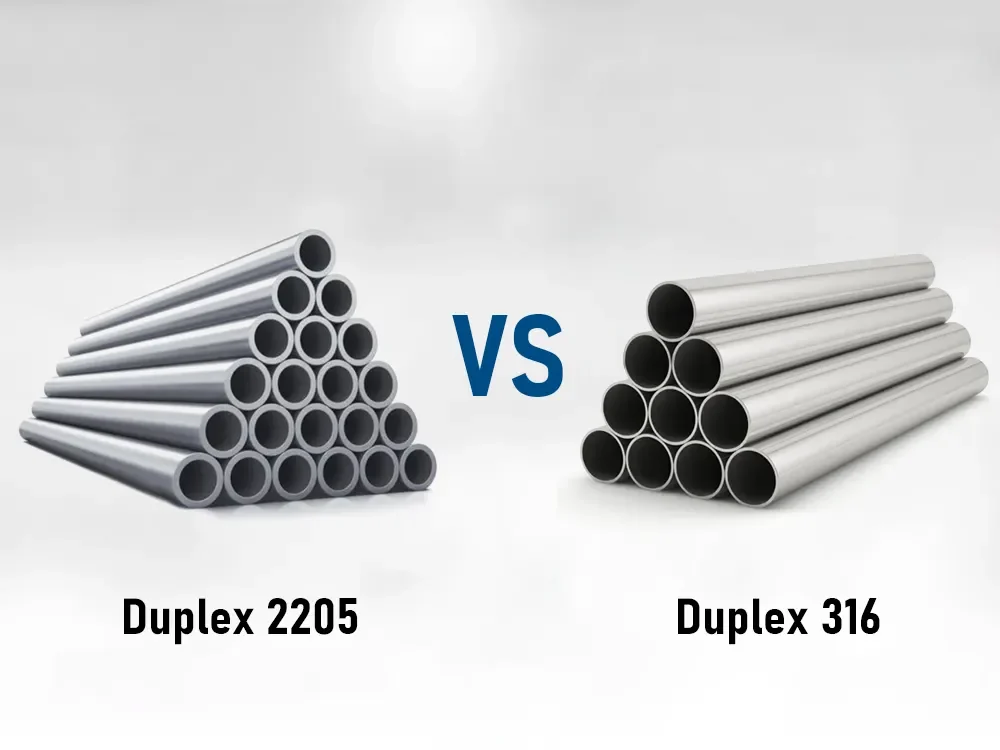
Introduction When choosing stainless steel, duplex 316 and 2205 are often compared. Selecting the appropriate stainless steel alloy significantly impacts the product’s performance and service life. Therefore, this has become a common problem for customers. In fact, both are widely used in harsh environments. But their differences in heat and corrosion resistance, as well as…
23
Mar
Mar
Introduction Stainless steel is used in kitchens, factories, hospitals, and buildings. Many tools, machines, and household items have some use for stainless steel. One common grade is stainless steel 304. Engineers, builders, and manufacturers use it because it is strong, long-lasting, and rust-resistant. Weight and strength are important factors to consider when designing and making…