
Stainless Steel Pipes are used in several industries, such as construction, oil and gas, petrochemicals, food processing, water treatment, power generation, and manufacturing. Low-quality materials can compromise reliability and may not offer long-term support.
Therefore, selecting a stainless steel pipe exporter is critical. Today, we will discuss a comprehensive guide to choosing the right exporter.
What Does a Stainless Steel Pipe Exporter Do?
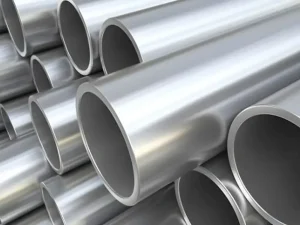
A stainless steel exporter offers more than just stainless steel pipes. They explore the product range, help source it, and ensure quality.
A reliable stainless steel exporter provides the following services.
- Product sourcing and manufacturing coordination
- Quality inspection and testing
- Export documentation preparation
- Compliance with international standards
- Packaging and logistics management
- Customs and shipping coordination
- Technical support for buyers
What Stainless Steel Pipe Products Should an Exporter Offer?
A reliable exporter offers a wide range of stainless steel products. Here are a few examples.
Stainless Steel Seamless Pipes
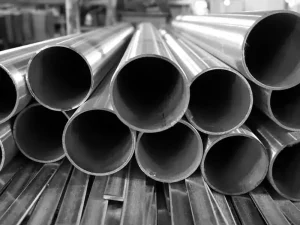
Stainless steel seamless pipes are not welded and are often used under high-pressure and high-temperature conditions.
Here are a few typical applications.
- Oil and gas pipelines
- Heat exchangers
- Power plants
- Chemical processing systems
- Boiler tubing
Stainless Steel Welded Pipes
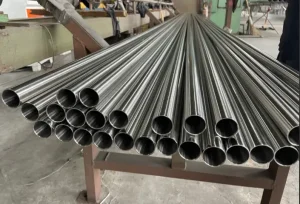
Welded pipes are welded and manufactured. They are ideal for the following applications.
- Water supply systems
- Structural applications
- Food processing equipment
- Decorative installations
- General industrial piping
Stainless Steel Tubes
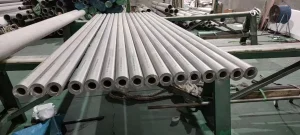
Tubes can be of different types and may include:
- Instrumentation tubes
- Hydraulic tubes
- Mechanical tubes
- Precision tubes
Pipe Fittings and Accessories
Many buyers prefer exporters that offer pipe fittings and all the relevant accessories, such as:
- Elbows
- Tees
- Reducers
- Flanges
- Couplings
- Caps
- Valves
Common Stainless Steel Grades for Export
Different grades of stainless steel are often exported. For example:
|
Grade
|
Corrosion Resistance
|
Strength
|
Typical Use
|
| 304 | Good | Moderate | General applications |
|
304L
|
Good | Moderate | Welded structures |
| 316 | Excellent | Moderate | Marine environments |
|
316L
|
Excellent | Moderate | Chemical processing |
|
Duplex 2205
|
Very High | High | Offshore and industrial projects |
|
Super Duplex 2507
|
Extremely High | Very High | Severe corrosive environments |
Grade 304 Stainless Steel
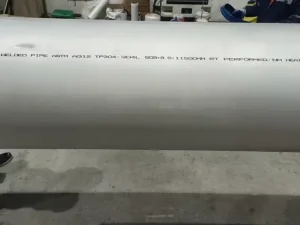
Grade 304 stainless steel is one of the most famous varieties. It has the following features:
- Excellent corrosion resistance
- Good weldability
- High durability
- Cost-effective performance
Grade 304L Stainless Steel
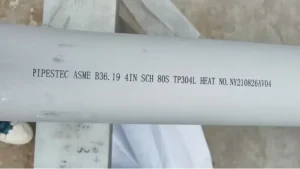
Grade 304L stainless steel contains low carbon content and offers:
- Improved weldability
- Reduced risk of carbide precipitation
- Better performance after welding
Grade 316 Stainless Steel

Grade 316 stainless steel offers enhanced corrosion resistance and is used in the following applications.
- Marine environments
- Chemical plants
- Pharmaceutical facilities
- Offshore projects
Grade 316L Stainless Steel
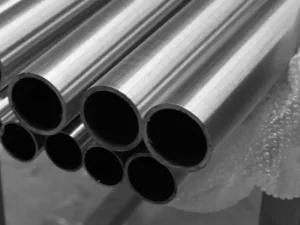
Grade 316L stainless steel has a lower carbon content than grade 316 stainless steel. It offers the following benefits.
- Superior corrosion resistance
- Excellent weldability
- Long service life
Duplex Stainless Steel Grades

Duplex stainless steel grades are famous for their:
- High strength
- Excellent pitting resistance
- Superior chloride resistance
Seamless vs. Welded Stainless Steel Pipe
|
Feature
|
Seamless Pipe
|
Welded Pipe
|
|
Manufacturing Process
|
No weld seam | Welded seam |
|
Pressure Resistance
|
Higher | Moderate |
|
Cost
|
Higher | Lower |
|
Size Availability
|
Limited | Wide range |
|
Structural Integrity
|
Excellent | Very good |
|
Industrial Use
|
Critical applications | General applications |
International Standards for Stainless Steel Pipes
International standards for stainless steel pipes can help you enter the market and comply with rules and regulations.
Here are a few international standards to follow.
ASTM Standards
ASTM standards include a wide range of standards, such as:
- ASTM A312
- ASTM A213
- ASTM A269
- ASTM A789
- ASTM A790
These standards are well known and widely accepted in global markets. Compliance with these standards is sometimes required.
ASME Standards
There are a few other globally recognized standards known as the ASME standards. They are often essential for stainless steel pipes for their use and compatibility in:
- Power generation
- Pressure systems
- Industrial plants
EN Standards
If you are exporting products to European countries, compliance with European standards is crucial. Here are a few EN standards.
- EN 10216
- EN 10217
- EN 10312
Your products must meet these safety standards and be easy to clear during shipping.
ISO Standards
ISO standards are one of the most renowned and globally accepted standard systems. They demonstrate quality management and manufacturing consistency.
Here are a few examples of ISO standards applicable to stainless steel products.
- ISO 9001
- ISO 14001
- ISO 45001
Material Test Certificates
Several material test certificates can ensure product quality. Exporters should provide the following verification certificates.
- EN 10204 3.1 certificates
- Chemical composition reports
- Mechanical testing reports
- Hydrostatic test reports
- PMI reports when required
What to Check Before Choosing an Exporter
Consider a few things when choosing an exporter.
Manufacturing Experience
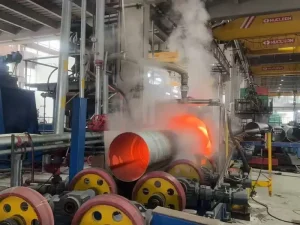
Manufacturing experience may include:
- Years in operation
- Production capacity
- Export history
- Industry specialization
A highly experienced exporter knows all the hassles and provides seamless support.
Quality Control System
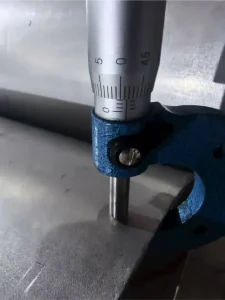
How does your exporter ensure product quality? Since you are looking for premium stainless steel solutions, confirm the quality control process and how your exporter maintains it throughout production.
Certificates
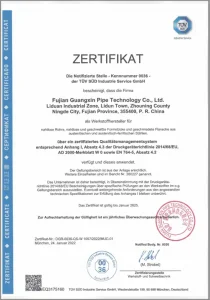
Important certificates may be required in these cases. Common examples are:
- ISO 9001
- PED certification
- CE marking
- Industry-specific approvals
Your exporter should provide all such certificates.
Export Documentation
Your exporter should provide complete documentation and customs clearance for cross-border shipments. Inquire about the documentation they supply.
Customer Reviews
Look for customer reviews and check the ratio of positive and negative reviews. Review negative reviews to identify where the exporter falls short. Choose suppliers with positive customer feedback.
Communication
Communication skills can eliminate barriers and improve overall efficiency and discussion. Good skills can lead to a better understanding of requirements and their fulfillment within the given time.
Production Capacity
If you are looking for stainless steel pipes, choose exporters with high production capacity; ask about production volume and confirm they can meet your demands.
Conclusion
Stainless steel exporters can affect the whole project. A good exporter can improve project reliability, boost efficiency, and ensure timely delivery and successful completion.
If you are looking for a top exporter of stainless steel pipes, contact Hnyasco suppliers. We offer a wide variety of stainless steel pipes and related products. Explore our full range of products today!