
Introduction
The 316 stainless steel pipes are used in various industries. Builders and engineers use them in oil, food, and medical systems. Several engineers use these pipes in seawater, acid, or strong chemical environments. These pipes are austenitic stainless steel.
The steel contains very small molybdenum content. This is to ensure that the steel does not rust or be damaged by any chemicals. Every material has its benefits and limitations. Knowing both helps you to choose the right pipe for your project.
Advantages of 316 Stainless Steel Pipe
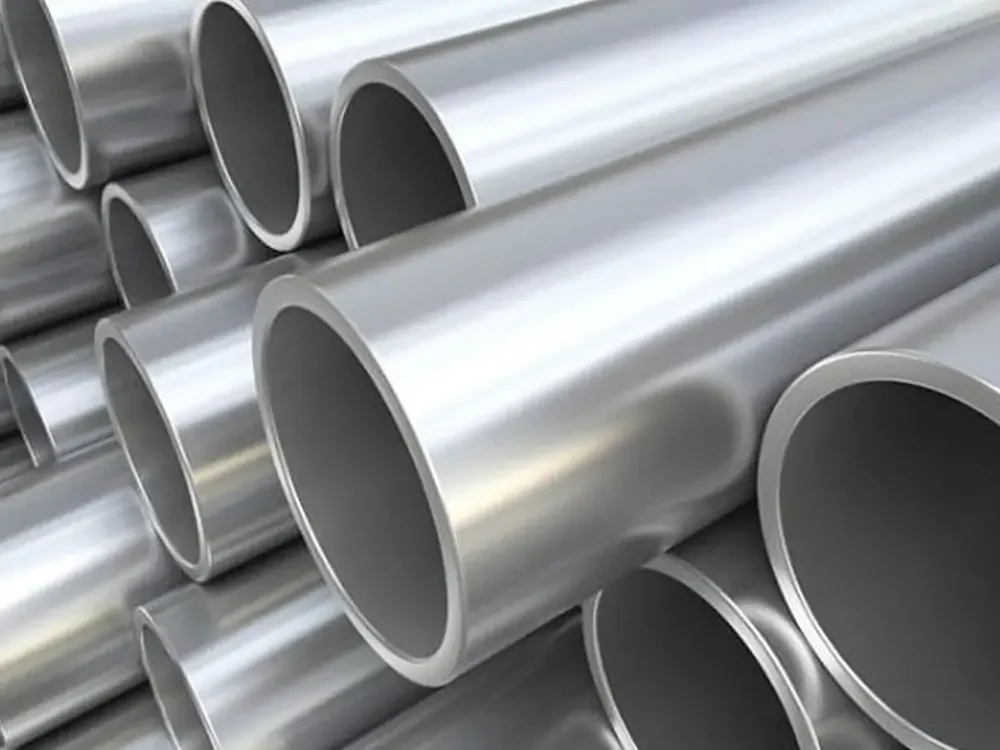
· Excellent Corrosion Resistance
316 stainless steel pipes don’t rust or corrode easily and are resistant to chemicals. Molybdenum present in the steel helps protect it from corrosive liquids. Ships, docks, factories near the coast, as well as chemical plants, often use them because they are tough. Food factories also use these pipes since cleaning chemicals can’t hurt them. They require fewer fixes and have a longer lifespan.
· High Strength and Toughness
316 stainless steel pipes are very strong and can withstand high pressure. They don’t break easily and are not easy to crack if they are hit too hard. Builders use these pipes as they are always safe and reliable.
· Good High Temperature Performance
316 stainless steel performs well in hot environments. It doesn’t rust easily when it’s really hot. It can withstand 1700 degrees Fahrenheit (925 degrees Celsius) for a long time and 1600 degrees Fahrenheit (870 degrees Celsius) for a short time without breaking. It is used in heat exchangers and furnaces by the factories. It also serves to carry the hot liquid through the pipes. This steel has high strength and maintains a stable shape at high temperatures.
· Excellent Weldability and Machinability
Workers easily weld 316 stainless steel pipes. Most projects involving 316L steel do not require additional heat. Engineers design complicated systems using many pipes of various shapes and sizes because it’s so easy to work with. View details for 316 stainless steel and 316L stainless steel.
· Hygienic and Aesthetically Pleasing
316 stainless steel pipes are smooth, clean, and free of toxic substances. They are used by the food factories and hospitals. The metal’s surface is shiny and contemporary. Buildings, kitchens, and hospitals use stainless steel for cleanliness and good looks.
Disadvantages of 316 Stainless Steel Pipe
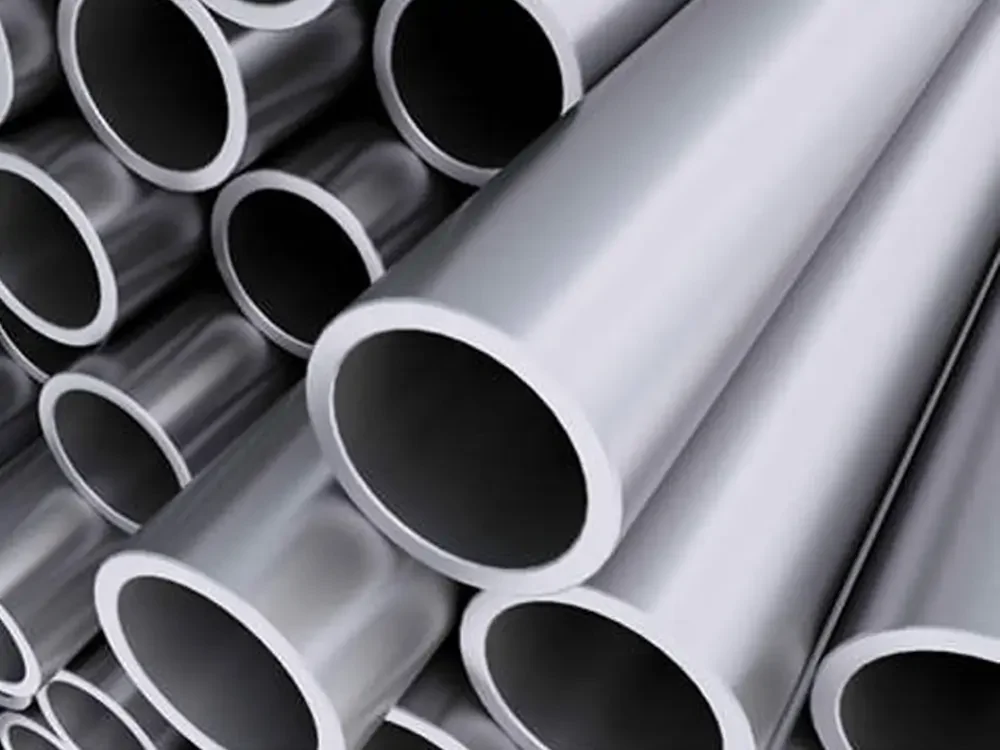
· Higher Cost
Due to the presence of nickel and molybdenum additives, 316 stainless steel is more expensive. Projects with a limited budget tend to use 304 stainless steel because it is cheaper. Engineers choose the least expensive pipes with the best performance. Click here to view more differences between 304 and 316 stainless steel.
· Limited High Temperature Strength
316 stainless steel can withstand heat, but is weak at very high temperatures. Some industries require metals that can withstand extreme heat. For this reason, special alloys are used in turbines and airplanes. Engineers perform heat-resistance tests, weigh them down, and select the best metals.
Difference between 316 and 304 Stainless Steel Pipes
| Feature | 316 Stainless Steel Pipes | 304 Stainless Steel Pipes |
| Chemical composition | Contains molybdenum | Does not contain molybdenum. |
| Corrosion resistance | Saltwater, chemical, and acid-resistant. | Resistant to corrosion in normal conditions. |
| Common applications | Used in marine equipment, chemical plants, and industrial piping | Used in food equipment, kitchen tools, and household products |
| Cost | More expensive because of nickel and molybdenum. | Cheaper than 316 stainless steel. |
| Selection factor | Select this grade when corrosion protection is very important. | Choose this grade in a mild environment and with lower costs. |