
Introduction
Thin wall stainless steel tubing has many applications in many industries, from construction to medical equipment. You’ll see it a lot in cars, food-processing equipment, handrails, and more. Selecting the correct tube size is important to ensure it is strong, lightweight, and performs well.
People are usually attentive to the color of the electrical appliance. But they do not pay attention to the tube size that will cause problems in the future. Stainless steel tubing is a good solution for areas with moisture, chemicals, or heat. Thin wall designs help to save material, but work fine as well.
Choosing the right thin wall stainless steel tubing sizes is important because even a small difference can have an impact on the fitting, strength, and flow of the pipes. Just because a tube appears correct doesn’t mean the thickness is correct. Using standard sizes and ranges now may help prevent expensive redesigns or replacements in the future.
This article helps bring together the size ranges, grades, standards, and examples of application in one place. By the end of it, you will have a very basic understanding of thin wall stainless steel tubing sizes and how they are used in real life.
What Is Thin Wall Stainless Steel Tubing?

The thin-wall stainless steel tubing has a wall thickness relative to its outside diameter. Usually, the wall thickness is less than 6 percent of the diameter, which helps distinguish it from tubing with thicker walls.
Most thin wall stainless steel tubing has a wall thickness of between 0.3 and 2.0 millimeters. However, some special types may be of the thickness of 4.0 millimeters, and be called thin wall.
This kind of tubing is made of alloys such as 304 and 316 to resist rust and surface damage over time. It is typical in low- to moderate-pressure systems, or in systems where it is required to make in smaller places and tight bends.
Because of the thin walls, the tubing is lightweight yet strong enough for day-to-day tasks. This good combination of strength and lightness makes thin wall stainless steel tubing useful for many industries.
Key Dimensions
To understand the sizes of thin-wall starch steel tubing, three measurements are important. These are outside diameter, wall thickness, and inside diameter measurements.
Outside diameter is the measurement of the whole diameter of the tube from edge to edge. Wall thickness is the measurement of the metal wall on one side of the tube. Inside diameter is the open space within the tube into which fluid or gas can flow.
Inside diameter is not displayed directly in many charts, but it is easy to calculate. It equals the outside diameter minus twice the wall thickness. For example, in a tube with an outside diameter of 25 millimeters and a wall thickness of 1.0 millimeters, the inside diameter will be 23 millimeters.
These dimensions affect strength, flow rate, and the selection of fittings. Stainless steel tubing manufacturers strictly adhere to standards. Even small changes in size can affect how parts fit together.
Common Size Ranges and Charts
Across various industries and installation requirements, thin-wall stainless steel tubing is manufactured in a wide range of standard sizes. These size ranges are drawn from common production practices and international standards.
Outside diameter and wall thickness are the two principal values used to select stainless steel tubing. The table below summarizes the most commonly used size ranges for thin wall stainless steel tubing.
| Outside Diameter (OD) | Typical Wall Thickness | Common Lengths |
| 6 mm-10 mm | 0.3 mm-0.8 mm | 6 m standard |
| 12.7 mm (1/2 in) | 0.5 mm-1.0 mm | 6 m standard |
| 19 mm-25 mm | 0.8 mm-1.2 mm | 6 m standard |
| 38 mm (1.5 in) | 0.9 mm-1.5 mm | 6 m standard |
| 50 mm-60.3 mm | 1.2 mm-2.0 mm | 6 m standard |
| 76.2 mm (3 in) | 1.5 mm-2.5 mm | 6 m standard |
| Up to 101.6 mm (4 in) | 2.0 mm-4.0 mm | Custom lengths |
Units such as metric or inch are used to measure stainless steel tubing, depending on the region. In North America, inches are mostly used, whereas in other countries, the metric system is more widely used. Wall thickness directly affects weight, strength, and flow capacity. This is important to check whether it will suit your needs.
Standard Specifications and Grades
Thin-wall stainless steel tubing is manufactured in accordance with quality standards. ASTM A269 is used for stainless steel tubing for general service. ASTM A554 is used for decorative and structural tubing with a clean appearance.
Size limitations and tolerances for mechanical components are specified in European standards, such as EN 10296-2 and EN 10216-5. They control variations in the outside diameter, wall thickness, and wall straightness.
Grades play an important role in performance. Grade 304 stainless steel tubing is rust-resistant in general indoor and outdoor environments. Grade 316 has molybdenum added, making it salt- and chemical-resistant.
There are other grades used for certain purposes. Grade 321 has better temperature resistance. Grade 347 has resistance to weld-induced grain-boundary damage. Grade 201 is for indoor use. Grade 409 is usually used in exhaust systems. Picking the right grade ensures long-term reliability.
Applications by Size
Thin wall stainless steel tubing is known for its usefulness. In medicine and the laboratory, they are used in small, thin-walled equipment. Tubes less than 6mm are used in catheters, probes, and other diagnostic tools. These tubes must have smooth, stretched walls and be the correct size to perform well and last a long time.
Food and beverage systems are made of thin wall stainless steel tubing. Its outer diameter is normally 12.7mm to 50.8mm, and its wall thickness is 0.5mm to 1.5mm so as to allow the liquids pass through them easily and without much weight. These are milk lines, beverage dispensers, and cleaning system tubes. They are resistant to corrosive acids and keep a clean surface.
Construction and architecture have also turned to the stronger, thin wall stainless steel tubes instead. Common sizes are 25 mm by 25 mm square tubes and 50 mm by 25 mm rectangular tubes. Wall thickness is allowed to range from 0.8 mm to 2.0 mm, providing strength while keeping the tubes light. They are used for handrails, frames, gates, and furniture. The smooth surfaces help to give them an attractive look and a long life.
Automobile and aerospace manufacturers use thin wall stainless steel tubing in order to save weight. Typical diameters range from 38mm to 76.2mm, and wall thicknesses from 0.9mm to 1.6mm, providing a good combination of strength and light weight. These tubes are used in the exhaust system, fuel line, and fuel support structure.
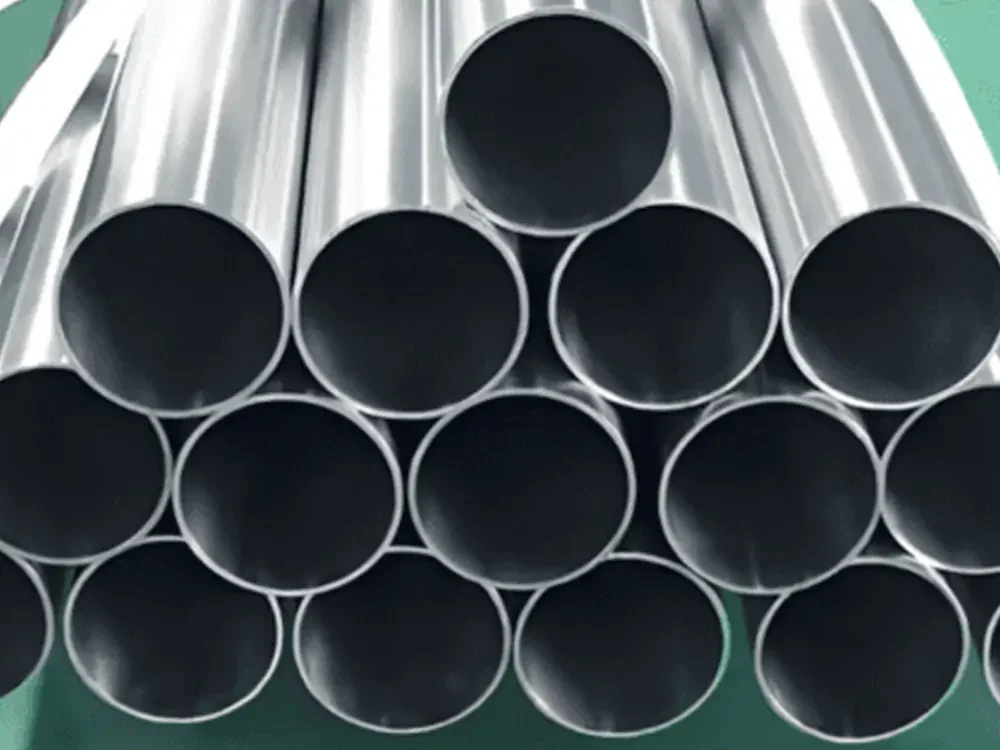
How to Select the Right Thin Wall Tubing Size
The first thing you need to do is to choose the correct dimension for the thin wall stainless steel tubing. To do this, it is important to think about what the tubing will be used for.
Pressure rating is important as thin walls can’t withstand high pressure. Temperature is also a factor because heat weakens the material over time, making it less strong or useful. The type of steel can also be influenced by heat and chemicals.
The most important thing is to match the steel grade to the outside conditions. This prevents the metal from failing prematurely. Also consider space constraints when selecting a size, especially if you need to place it in a small space. Because the walls are thin, it is possible to make the tubing tighter and smaller.
Before you pick a size, have a look at the way the tube would be made, like bending, welding, etc. Thin walls bend easily, but be careful when you join thick walls.
Tolerances are more important here when parts need to match exactly. The outside diameter can be changed by 0.10 to 0.25 millimeters. Normally, the walls are 10 to 12.5% thick. It’s good to check these limits to avoid assembly problems.
Conclusion
Many factors can affect the thin-wall stainless steel tubing, such as outside diameter, Wall Thickness, and Grade. In real life, these factors affect the tube’s strength, weight, flow capacity, and service life. Knowing these basics will help users choose better tubing.
Standard sizes and specifications provide similar performance across many industries. They have a balance between material use and reliability.
An appropriate size and quality choice reduces risk and ensures longer lasting. Knowing thin-wall stainless steel tubing is useful so you can assist in finding the right size and be confident.