
Reducers are among the most essential fitting tools in piping systems. They connect two pipes of different diameters without causing leakage issues. However, two popular reducers used in piping are the SS concentric and eccentric reducers. There are many differences between them that spark debate over SS concentric reducers vs. SS eccentric reducers.
One thing that is common to both reducers is their materials. They are made of stainless steel, which makes these reducers corrosion-resistant. This means both of these reducers are durable and corrosion-resistant. In this article, I will debate these two reducer types and discuss their key differences. So, let’s get started!
What is a Stainless Steel Concentric Reducer?
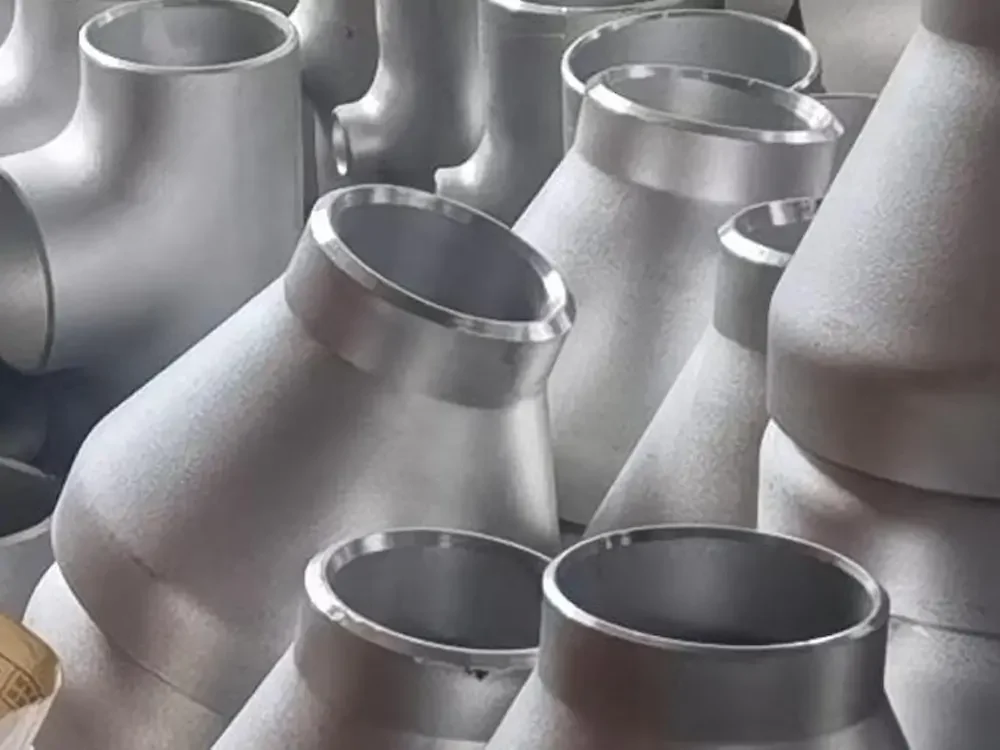
SS concentric reducers are cone-shaped and used in vertically oriented pipelines. This means the pipes connected to these reducers can carry fluid in either direction. The centerlines of both the larger and the smaller pipes are the same. This means that both pipes connected through the reducer are aligned. One end of these reducers is pointy, like a cone.
At this point, a smaller pipe is generally attached. On the other hand, the larger pipe is connected to the bigger side of the reducer. The advantage of concentric reducers is that they maintain consistent pressure. They also prevent turbulence or pressure drop inside the pipes, which is another significant advantage.
What is a Stainless Steel Eccentric Reducer?
First, these reducers are made of stainless steel materials. However, the shape of eccentric reducers is more like a slanted cone. This means one end of these reducers is flat while the other end is sloped, not perfectly streamlined and pointy. Both the bigger and smaller pipes are not aligned.
The sloped or offset design of SS eccentric reducers is beneficial. It reduces air trapping in the pipes, thereby improving fluid flow. Additionally, the eccentric reducers are used in horizontal (sideways) piping systems. This means the bigger and smaller pipes are connected side by side. So these reducers are widely used in drainage pipelines and chemical processing lines.
Differences Between SS Concentric and SS Eccentric Reducers
The basic functionality of these reducers is the same, i.e., connecting pipes of different diameters. However, they differ mainly in their design and installation orientations. Let’s discuss the key differences between SS concentric and SS eccentric reducers.
1- Design & Alignment
These reducers differ primarily in design and alignment. As I said earlier, SS concentric reducers are cone-shaped. In these cases, the centerlines of the larger and smaller pipes are the same and perfectly aligned. On the other hand, SS eccentric reducers do not provide perfect centerline alignment. Their design is like a slanted cone and is used in a horizontal piping system. The SS concentric reducers are used in vertical pipelines that send fluids upwards or downwards.
2- Flow Dynamics
Due to differences in design and alignment, the flow dynamics in these reducers differ. In concentric reducers, the fluid flows up and down. This fluid flow experiences no sudden pressure drop or turbulence within the pipelines. These reducers are generally used when water from the top (tank) side flows into the pipeline. On the other hand, the alignment of two pipes side by side in eccentric reducers. The fluid flow is sideways or horizontal, not up or down. Additionally, the fluid in these piping systems contains no trapped air, resulting in consistent flow.
3- Installation Orientation
The installation procedure for both reducers is the same. However, they differ in terms of the orientation in which they are installed. The SS concentric reducers are installed vertically. The bigger pipe is connected from the top, while the smaller pipes are connected at the bottom. On the other hand, SS eccentric reuters are installed horizontally. This means both pipes are attached to the reducer at an angle. This orientation difference is due to the different designs of these reducers.
4- Pressure Drop & Turbulence
The pressure drop or turbulence is generally normal in reducers. As a result, the pressure consistency decreases significantly. However, both concentric and eccentric reducers ensure smooth flow. The centerlines of two pipes are concentric and aligned. So, the fluid flow is smooth, without turbulence. On the flip side, the eccentric reducers prevent air from being trapped (air pockets)in the piping system. If air were trapped, the pressure inside pipes would drop. In this way, eccentric reducers maintain consistent pressure in the pipelines.
5- Cost & Applications
As mentioned, both reducers are made of the same material: stainless steel. Despite being made of similar materials, concentric reducers are still slightly cheaper than eccentric reducers. Why? That’s because of the contrast in shape and design of these reducers. The concentric reducers are of the simplest design and shape.
Their making is easier and less time-consuming, and requires fewer materials. On the other hand, the eccentric reducers are costly due to their complex shape and design. Here is the table showing the application of these SS concentric and SS eccentric reducers:
| SS Concentric Reducer Applications | SS Eccentric Reducer Applications |
| Vertical pipelines | Horizontal pipelines |
| Pump suction lines | Pump discharge lines |
| Chemical processing pipelines | Drainage systems |
| Food processing pipelines | Cooling water pipelines |
| Water treatment plants | Oil and gas horizontal lines |
Conclusion
In conclusion, both SS concentric and SS eccentric reducers are excellent. They both connect the large and smaller pipes in piping systems. However, these two reducers vary in their design and alignment. I recommend choosing SS concentric reducers for a vertical piping system. Conversely, eccentric reducers are suitable for use in piping with horizontal orientations.
Looking for high-quality stainless steel eccentric reducers at an affordable rate? If so, choose a YASCO expert who can make different types, including stainless steel reducers. Established in 2002, we have over 23 years of experience. For getting quotes for our stainless steel eccentric reducers, reach out to our customer support team.