
Overview
SS pipes (stainless steel pipes) are widely used as core materials in modern industrial systems. These pipes are applied in situations where the consistency of performance is critical. They provide a guarantee of safety, durability, and hygiene for the systems.
Stainless steel pipes can withstand corrosion, changes in temperature, and mechanical stress. However, using these pipes may be costly and also have some processing issues. So, they cannot be the ideal solution for all applications.
The content below involves a specific discussion of the pros and cons of stainless steel pipes.
Discussion of the main requirements will help determine the appropriate material for industrial and infrastructure projects.
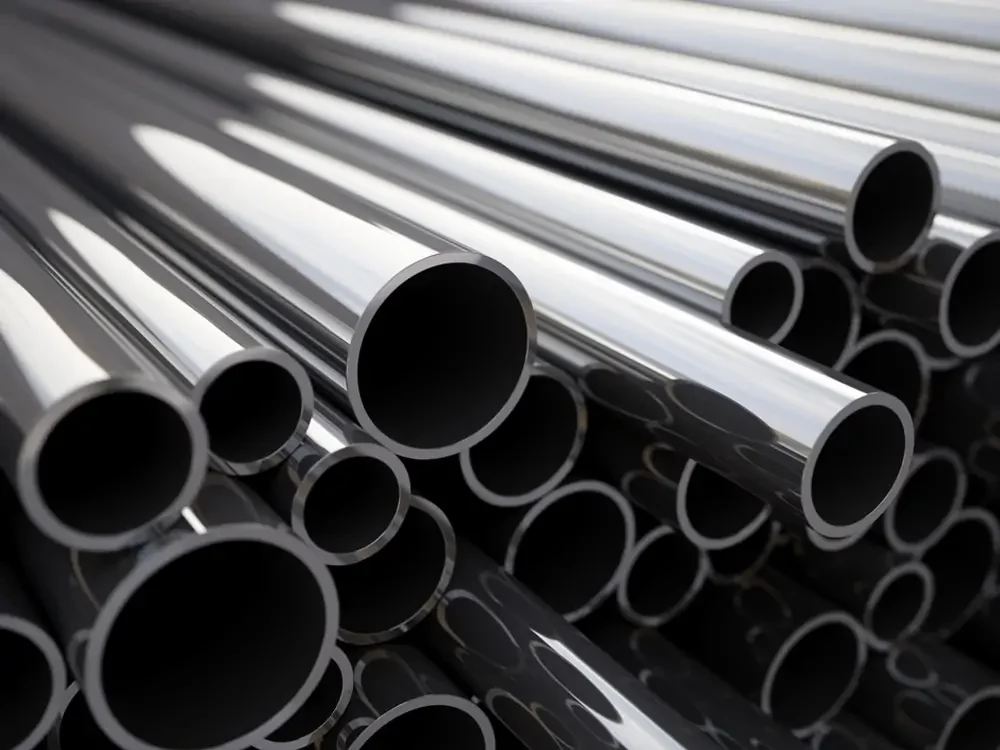
Advantages of Stainless Steel Pipes
Excellent resistance to corrosion.
- The main strength of stainless steel pipes is their corrosion resistance.
- The use of a stainless steel pipein humid conditions makes it effective.
- The existence of chromium in these pipes forms a passive oxide layer on the surface.
- This oxide layer works as a barrier for chemicals and resists oxidation of the pipe.
- These pipes avoid damage from acids, alkalis, and salts.
- Using these pipes increases the life cycle and reduces maintenance requirements in pipelines.
- These pipes are widely used in seawater, wastewater, and chemical fluid pipelines.
- The corrosion-resistant property of these pipes shall result in less leakage.
- Corrosion is extremely slow, even in exterior installations.
High strength and good toughness
- Tensile and yield strength are high in stainless steel pipes.
- They can withstand internal pressure and remain undamaged.
- The good toughness property prevents impulsive fractures or vibrations. Such properties are important in a high-pressure pipeline.
- They are also used in systems that are subject to mechanical loads or seismic activity.
High and low temperature resistance
- Stainless steel pipesare creep-resistant and deformation-resistant at high temperatures. Steam lines and heat-transfer systems use these pipes.
- Stainless steel pipes are ductile at low temperatures. Neither do they break easily. They are used in systems that are subjected to seasonal or operational temperature fluctuations.
Hygienic, safe, and environmentally friendly
The importance of hygiene is hard to overestimate in fluid transportation systems.
- Pipes made of stainless steel have a non-porous, smooth surface. It is easier to clean and sterilize.
- This helps avoid the build-up of bacteria, residues, and deposits.
- Stainless steel pipes are commonly implemented in pharmaceutical and food processing systems.
- Stainless steel is also non-toxic in terms of the environment.
- They adhere to high levels of cleanliness. It does not emit toxic materials into fluids and the environment.
Aesthetically pleasing and durable
- As much as performance is the main factor, appearance is also important in the exposed installations. Stainless steel pipes have a uniform surface that lasts longer.
- Stainless steel provides a viable balance between aesthetics and functionality. This balance is in terms of architectural or other public-facing projects.
- These pipes also reduce the operating effort due to decreased cosmetic maintenance.
Good machinability
- Stainless steel pipes can be cut, bent, and joined using techniques like seamless forming and welding.
- The fact is that stainless steel needs more sophisticated tools and professionalism. These requirements, however, once fulfilled, allow precise and reliable fabrication.
- This machining versatility enables these pipes to be adjusted in complicated designs.
Wide range of applications
- Applications of this technology include fluid transportation, marine applications, and structural components. Stainless steel pipes are also appropriate for both concealed and visible infrastructure.
- Its most common use is in chemical and petrochemical processing.
- Its industrial use also includes wastewater treatment and pharmaceutical systems.
- Oil and gas transportation, ship and coastal infrastructure are also among the wide applications of stainless steel pipes
Disadvantages of Stainless Steel Pipes
Higher initial cost
- Carbon steel is cheaper than raw materials. The primary disadvantage of stainless steel pipes is cost.
- Complex manufacturing processes increase production costs.
- Stainless steel is often seen as impractical for low-budget projects.
- Service life, however, should be evaluated in terms of cost.
- In harsh conditions, an increased investment will be compensated by long-term savings.
More difficult to process
- A stainless steel pipeis more resistant to deformation. So, this pipe is difficult to cut, shape, and weld. This difficulty demands special equipment and skilled workers.
- The processing time is generally more time-consuming. This aspect causes high fabrication costs.
- Incorrect processing may cause performance problems. Quality control is crucial.
Low thermal conductivity
- Stainless steel has lower heat transfer compared to carbon steel. So these pipes are not used in applications that need high heat exchange rates.
- Design adjustments are also a concern. Engineers can maximize surface area to gain the desired performance.
Susceptible to stress corrosion cracking
- In certain circumstances, stainless steel pipes can experience stress-corrosion cracking. This issue occurs when tensile stress is combined with corrosive agents.
- Risks are increased by exposure to chlorides and high temperatures. This problem can be reduced by the proper choice of materials during installation.
- Grade selection minimizes vulnerability. It is important to select the right alloy.
Magnetic issues
- Certain grades of stainless steel are magnetic, in particular, after cold working. This issue can affect delicate equipment.
- Programs that require magnetic neutrality need to be run on an appropriate grade.
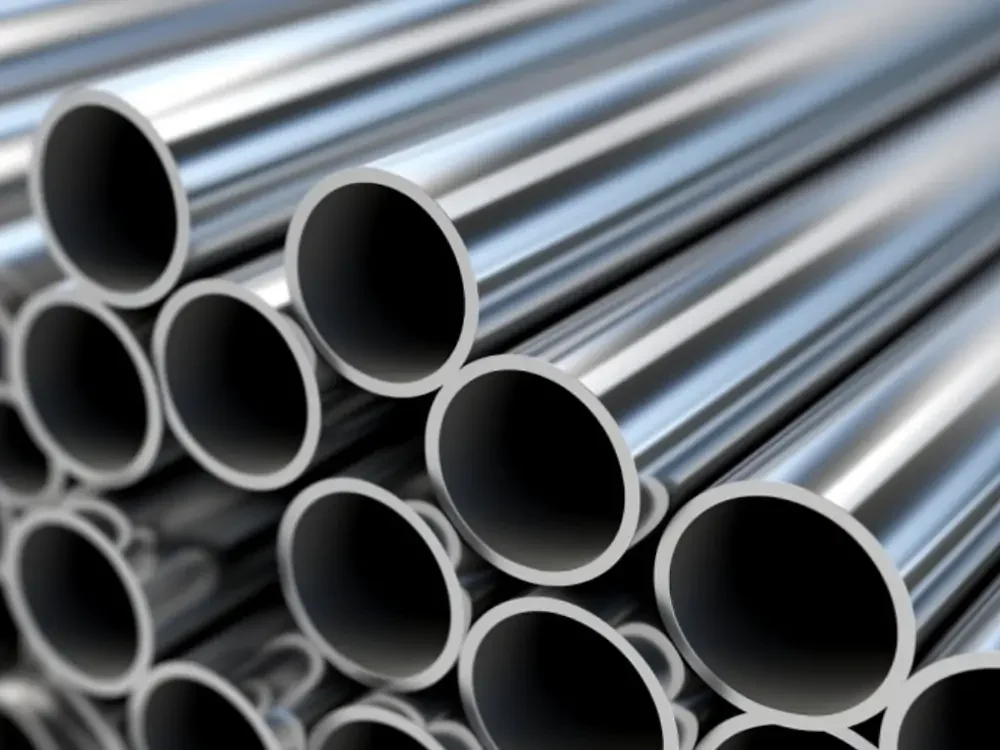
Key Requirements for Stainless Steel Pipes
High corrosion resistance
- Pipelines that are exposed to a hostile environment require high corrosion resistance. The performance depends on grade selection.
- Resistance improves with increased alloy content.
- The surface quality is also a factor.
- Adequate selection guarantees a high service life. It minimizes the maintenance intervention.
High requirements for hygiene and water safety
- Stainless steel pipesare used when the purity of the fluid is essential.
- They are not responsive to the transported fluids.
- Stainless steel pipes require cleaning regularly.
- This is particularly critical in systems that carry water, food items or medical fluids.
High requirements for strength and lightweight design.
- Thin-wall pipes can be used since they are high-strength without compromising on safety. Installations become easy due to their lightweight design
- Lightweight systems cause less load on the supporting structures and foundations.
High requirements for aesthetics and decorative effect
- Surface appearance in an open installation should not change with time. Stainless steel qualifies this need without the use of coating or paint
- Stainless steel pipes do not need long-term maintenance. This feature is highly beneficial for architectural applications.
High requirements for environmental protection and recyclability
- Stainless steel can be completely recycled, and the material has value even after use.
- Recycling does not interfere with quality. This feature is helpful for the sustainable use of materials. Furthermore, there is minimal environmental impact.
Conclusion
Stainless steel pipes are reliable in a harsh environment. They have good corrosion resistance, strength, and are hygienic. These features make them applicable in critical systems.
Their main drawbacks include the cost and complexity of processing. They are not the most affordable options. The selection of material depends on the working conditions. Still, stainless steel is a good contender. However, it is a good choice when long-term reliability and less maintenance are the priorities. They have their strengths that far surpass their weaknesses in several applications.