
Hunan Yasco Steel provides high-performance seamless stainless steel pipes. Three key elements underlie each of our reliable products:
- Rigorous manufacturing processes
- Insistent use of high-quality materials
- Continuous pursuit of higher quality
This article explains how we manufacture seamless stainless steel pipes, the materials we use, and the standards we adhere to.
The Manufacturing Process of Stainless Steel Seamless Pipes
Stainless steel seamless pipes are popular because they are strong and resist corrosion. They have no welded joints, which makes them great for high-pressure, high-temperature, and critical applications. We strictly adhere to production processes to ensure consistent results, lasting strength, and accuracy.
1. Raw Material Selection & Inspection
First, we select high-quality stainless steel billets from trusted suppliers. Each billet undergoes rigorous inspection, including testing of its chemical composition and mechanical properties, to ensure that the stainless steel tubes comply with global standards such as ASTM, EN, or JIS. Only billets with the right alloy compositions, like chromium, nickel, and molybdenum, can move to the next production stage.
2. Heating
The billets are heated in a controlled furnace to between 1,100°C and 1,250°C, with the exact temperature depending on the grade of stainless steel. This makes sure the material is ductile enough for later processes. It doesn’t hurt its overall strength.
3. Piercing
The heated billet is penetrated by a rotating mandrel and roll set, forming a hollow shell (called a “mother tube”). This process creates the first seamless shape, eliminating the weak points found in welded pipes.
4. Hot Rolling/Expanding
Hollow shells are rolled or flared to achieve the required outer diameter (OD) and wall thickness. We are equipped with advanced rolling mills with computer control systems to ensure dimensional accuracy. For specific applications, tolerances can be strictly controlled within ±0.05 mm.
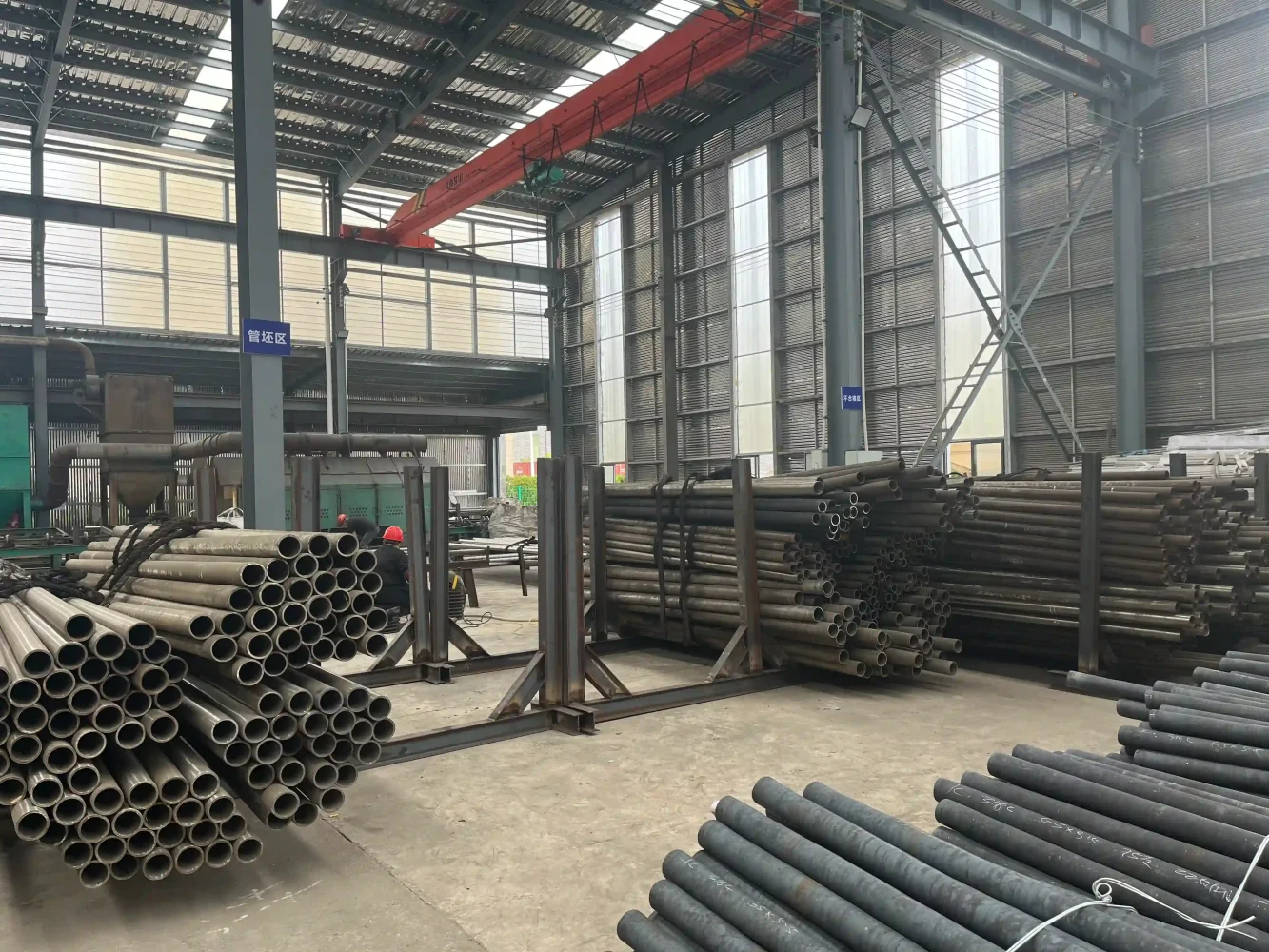
5. Heat Treatment
After forming, the pipes undergo annealing, a heat treatment process designed to eliminate internal stresses, enhance corrosion resistance, and improve mechanical properties. This step is customized according to the grade of stainless steel.
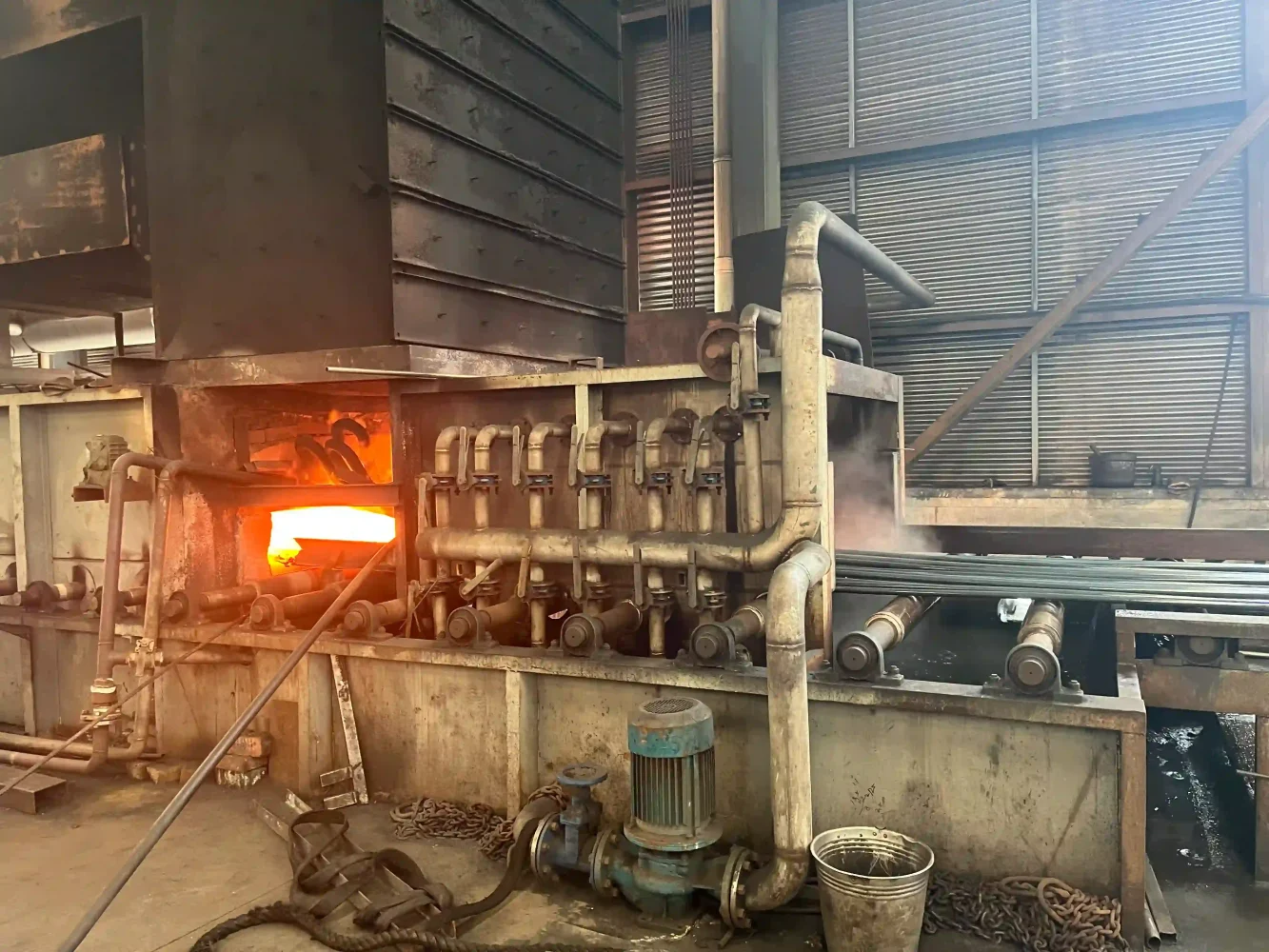
6. Cold Finishing (Optional)
If the pipe requires an ultra-smooth surface or precise dimensions, we will use cold drawing or cold rolling processes. For industries such as pharmaceuticals or food processing, we can adjust the outer diameter, wall thickness, and surface quality to meet extremely high standards.
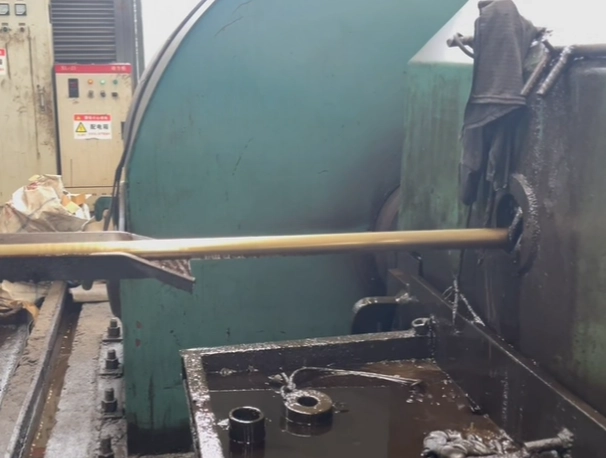
7. Ultrasonic & Hydrostatic Testing
Each pipe is inspected without damage:
- Ultrasonic testing detects internal defects in the pipe.
- Water pressure testing ensures that the pipe does not leak when subjected to the required pressure.
This dual testing ensures the structural integrity of the pipe.
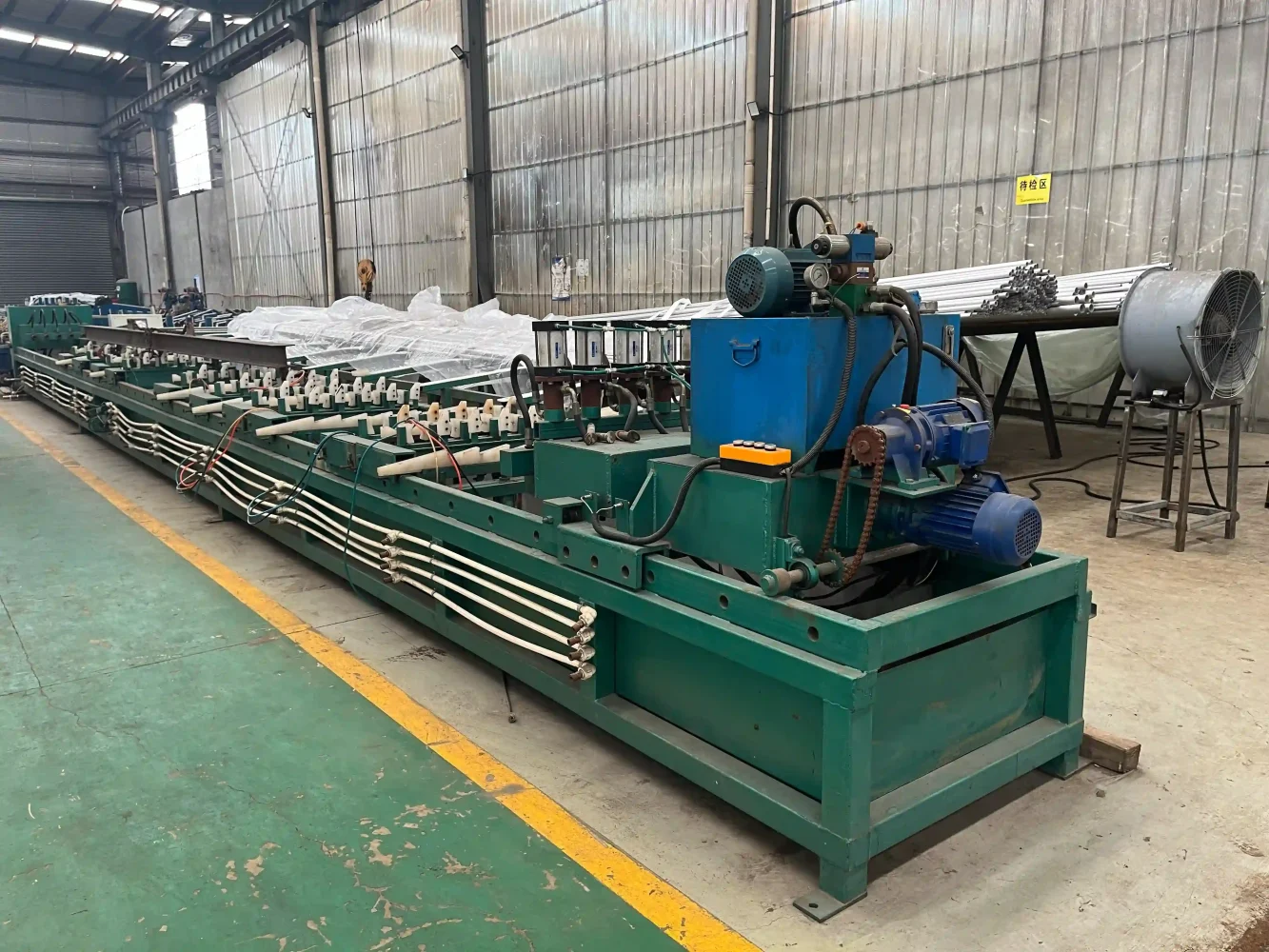
8. Surface Treatment & Inspection
We will perform surface treatment such as pickling or passivation. These processes remove oxide scale and dirt, making the pipes more resistant to rust.
We then perform a final inspection. We visually inspect each pipe and measure its dimensions to ensure that it meets our quality standards before packaging.
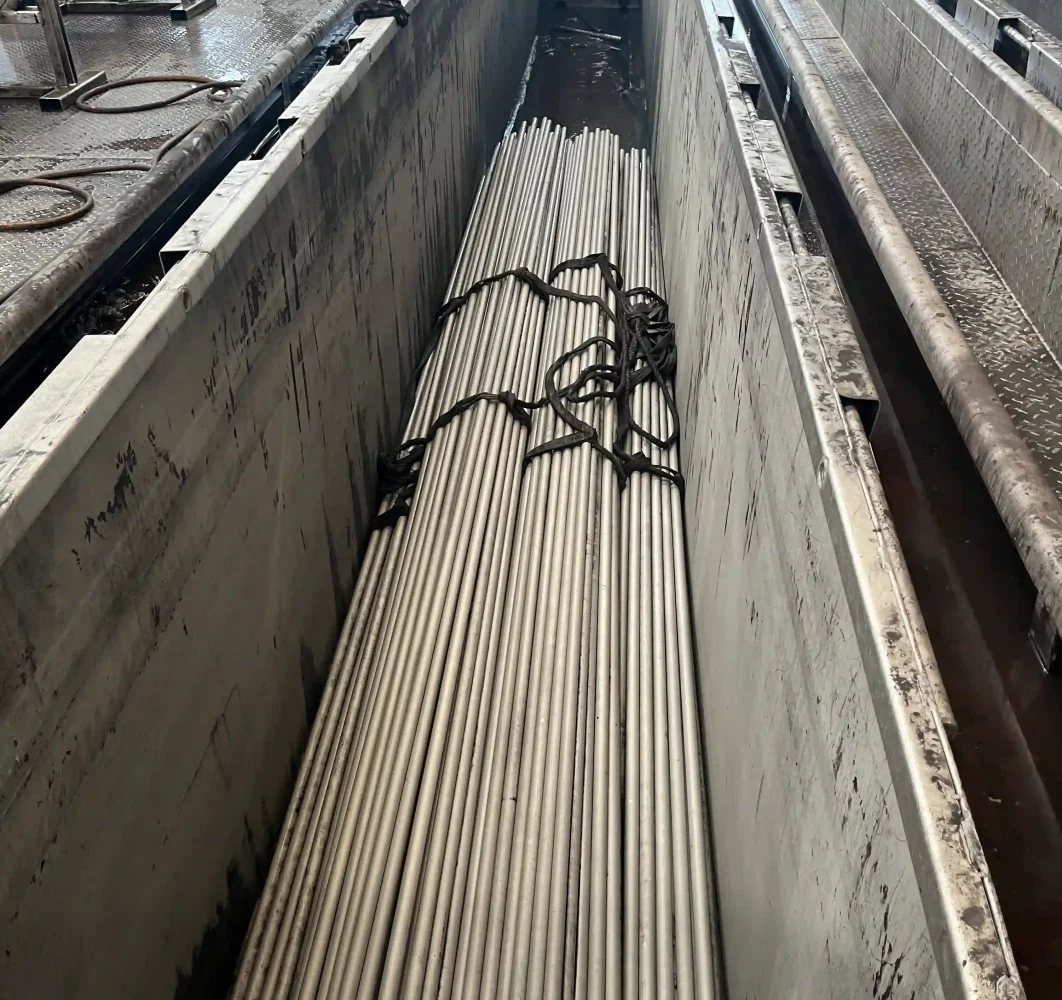
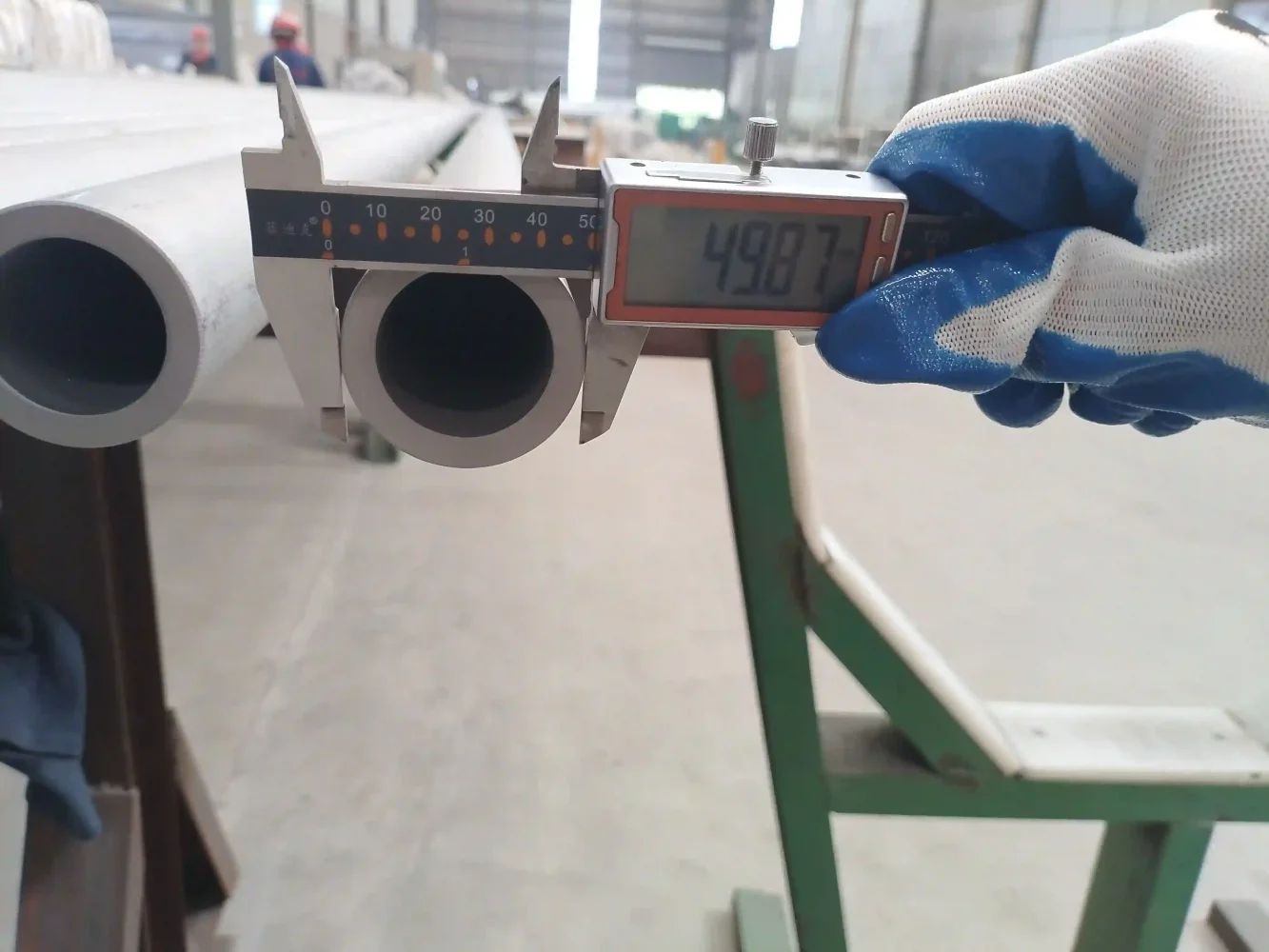
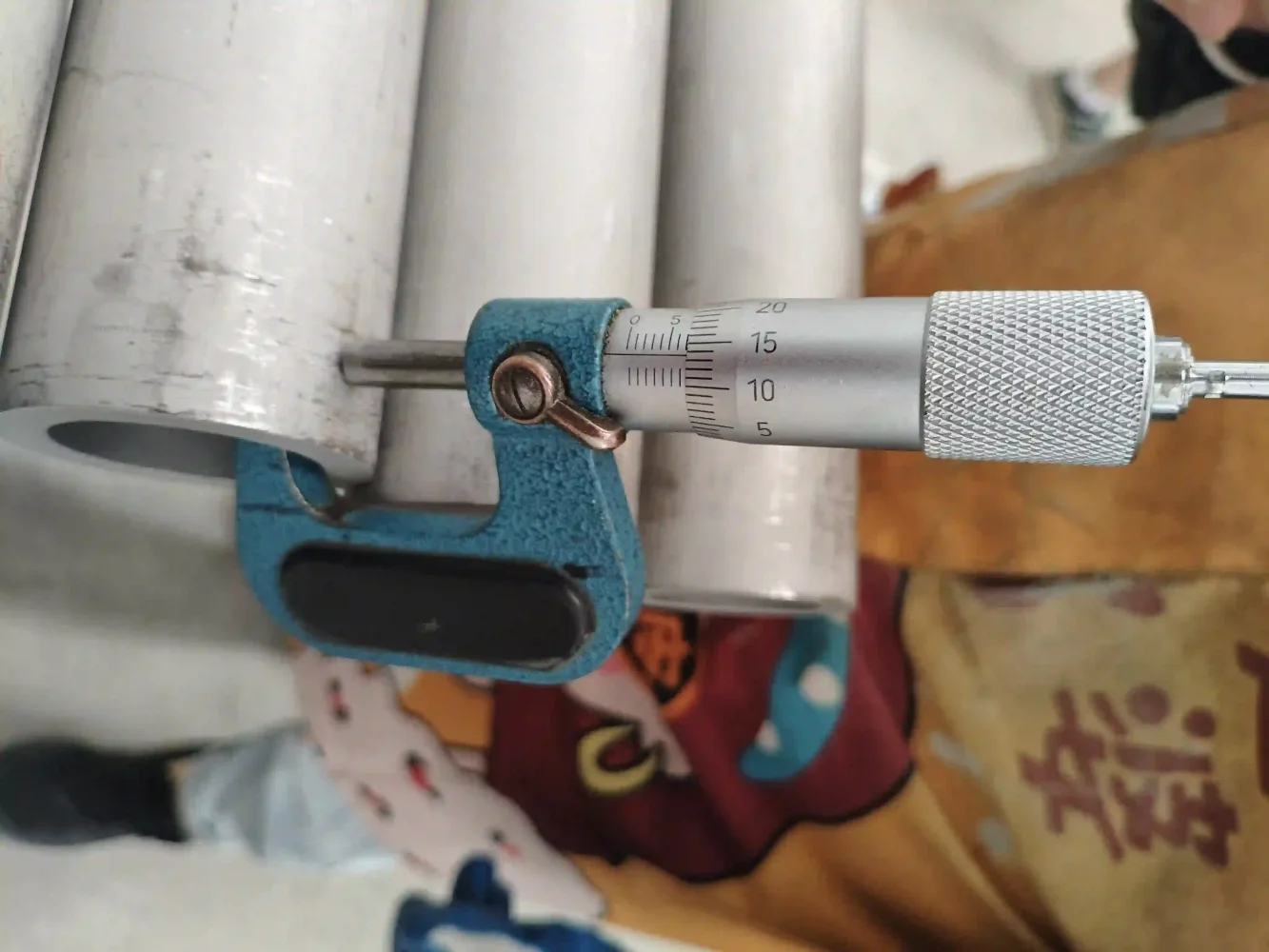
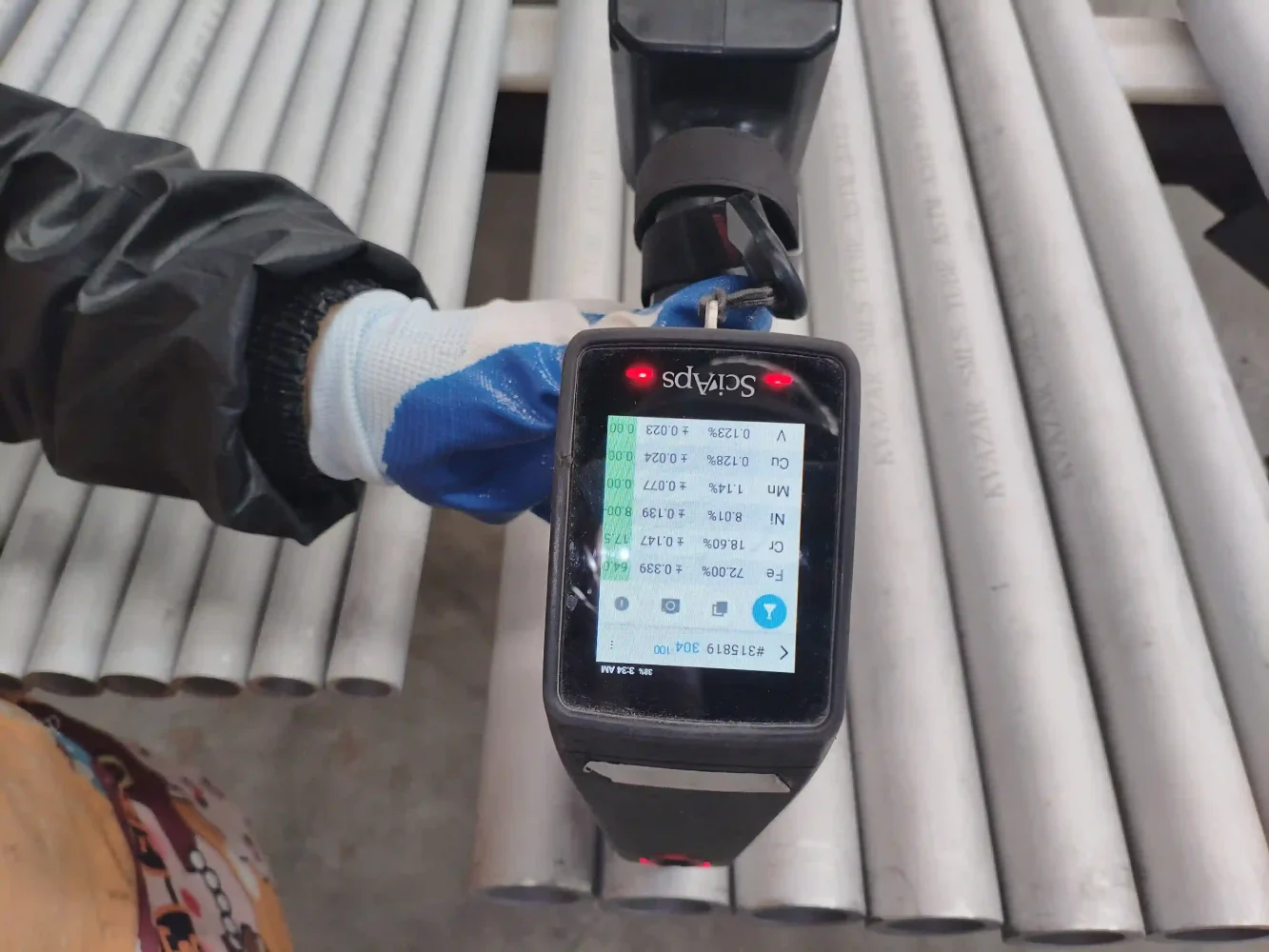
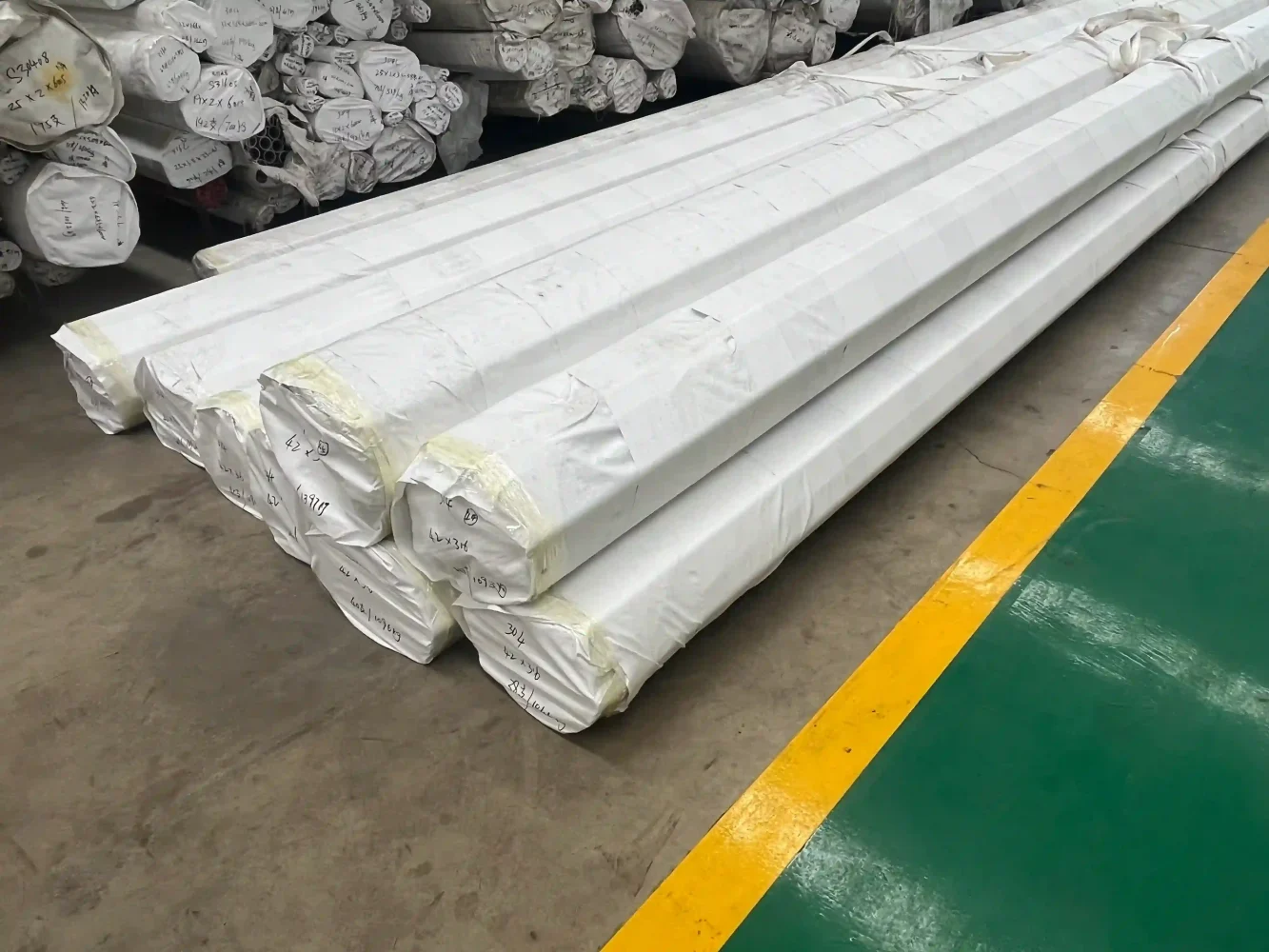
Some Stainless Steel Seamless Pipe Stock:


Stainless Steel Grades
We produce a variety of stainless steel seamless pipe grades to meet diverse industrial needs:
- 304/304L: The most versatile grade. 304 stainless steel pipes have good corrosion resistance in mild environments (chemical processing, water treatment, and food industries). The low carbon content of 304L reduces the risk of sensitization during welding.
- 316/316L: Due to the addition of molybdenum, it outperforms 304 in harsh environments (marine, coastal, or high-chloride environments). 316L is commonly used in offshore, pharmaceutical, and pulp and paper applications.
- 321: A titanium-stabilized alloy with excellent resistance to intergranular corrosion at high temperatures. It is well-suited for heat exchangers, boilers, and aerospace components.
- 347: A niobium-stabilized alloy with good high-temperature strength and creep resistance, suitable for the petrochemical and power generation industries.
- Duplex (2205, 2507): Combine the strength of austenitic and ferritic stainless steels with high corrosion resistance, making them suitable for oil and gas, desalination, and chemical processing.
All stainless steel pipe grades comply with international standards such as ASTM A312, ASTM A269, EN 10216-5 and JIS G3459.
High-quality Stainless Steel Pipe Manufacturer and Supplier
At Yasco, we are committed to the quality of our stainless steel pipes. Here is how we do it:
- Certified Processes: Our production facilities are ISO 9001:2015 certified, and we strictly adhere to quality management systems at every stage.
- Traceability: Each tube can be traced back to its raw material batch, and detailed heat treatment, testing, and inspection records can be provided upon request.
- Continuous Improvement: Our R&D team collaborates closely with production departments to continuously refine processes and adopt new technologies to enhance precision and consistency.
We are committed to providing solutions that stand the test of time. For inquiries, custom specifications, or to request a quote on our seamless stainless steel pipes, please contact us at auro@hnyasco.com.