
Introduction
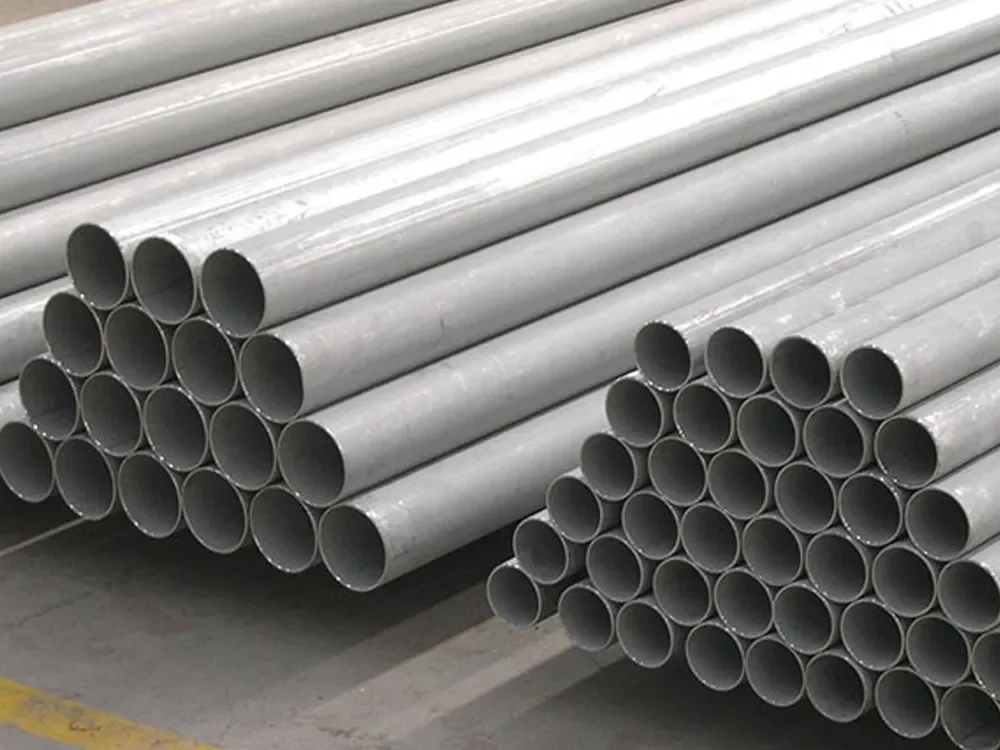
Many houses, factories, kitchens, and buildings have stainless steel pipes. Most manufacturers produce such pipes because they are strong and rust-free. They are long-lasting and always in a great state.
Dust, grease, water, and chemicals get deposited in the pipes. Dust weakens and dulls the pipes. The pipes can be thoroughly cleaned to last for many years.
Stainless steel pipes should be maintained safely. They should be cleaned regularly. Simple steps make them strong and smooth.
Proper Storage and Handling Before Installation
The stainless steel pipes are protected by proper storage before being installed by the workers in the building. Poor storage causes scratches, spots, or rust. These are basic storage rules.
- Store in indoor areas with good ventilation.
- Store away from acids, salts, and cleaning agents.
- Support with blocks of wood or plastic.
- Cover with plastic wraps or foils.
- Handle very keenly when transporting and in motion.
Stainless steel pipes can be scratched by piercing objects or rough surfaces. Scratches damage the coating on pipes. The pipes are more likely to rust after being scratched. The fixing of stainless steel pipes should be done carefully.
Installation Best Practices
Stainless steel pipes in water works, kitchens, factories, and buildings. Correct installation will ensure that the pipes are safe and will not be damaged in the future. The following actions may help ensure pipes are installed correctly.
- Handled them gently when lifting and placing them.
- Do not be struck by concrete and steel structures.
- Plastic spacers should be used to separate carbon and stainless steel pipes.
- They should be cleaned before welding or connecting.
Galvanic corrosion takes place when the stainless steel pipes are in interaction with other metals. Corrosion is aggravated by moisture. The corrosion is prevented by rubber or plastic corrosion insulators. When installed correctly, stainless steel pipes are protected, which also reduces future repair costs.
Routine Cleaning and Maintenance
Regular cleaning keeps stainless steel pipes bright and shiny. Simple steps for cleaning are easy and safe.
- Rinse them with clean water.
- Clean with a soft or microfiber cloth.
- Use warm water and soap to clean grease.
- Use a neutral cleaner for greasy and stained areas.
Workers clean stainless steel pipes again after using the cleaner. Residue can harm the protective layer in the long-run. Rough tools may scratch the pipes. Don’t use metal brushes, rough pads, or steel wool, as these leave iron residue that rusts.
Kitchen exhaust pipes, ducts, and sink frames require cleaning several times a month. Stainless steel pipes in cooking spaces quickly become coated with grease.
Corrosion Prevention Strategies
Stainless steel pipes are resistant to rust, but exposure to harsh environments can damage their surfaces. They are damaged by water, salt, and strong chemicals.
The next actions can help in the prevention of corrosion:
- Keep the stainless steel pipes of bathrooms or basements dry.
- Place fans or vents in areas with extreme moisture levels.
- Dry stainless steel pipes that are used in outdoor locations.
- Use protective oils in less amount where there is corrosion.
Keep strong chemicals away from stainless steel pipes. Metal surfaces are destroyed quickly by hydrochloric acid, sulfuric acid, bleach, and ammonia.
Citric acid solutions replace the protective oxide coating in stainless steel pipes. It is used to repair the corrosion resistance after light rust or other stains.
Inspection and Troubleshooting
Periodic inspections maintain stainless steel pipes to ensure they are safe and operating correctly. Minor issues may escalate into major ones unless sorted out early. In factories and large systems, inspect pipes after every several months. These are the regions that should be inspected:
- Mark of surface discoloring or rusting.
- Dents or pipe deformation.
- Slack pipe hanger or loose supports.
- Connection of pipes and weld joints.
When stainless steel pipes are slightly rusted, the rust-removal paste restores them to their original appearance. Repair damaged components if you find any cracks or large dents. Test and clean the stainless steel pipes regularly to extend their lifespan.
FAQs
● How often should stainless steel pipes be cleaned?
The majority of the stainless steel pipes require cleaning once every two-four weeks. Due to grease and chemicals, kitchens and factories need to be washed more frequently.
● Can I use bleach to clean stainless steel pipes?
No. Bleach destroys the protective layer on the stainless steel pipes. In cleaning, use mild soap, water, or neutral cleaner.
● How to remove heat tint after welding?
The heat of welding leaves a colored heat tint in stainless steel pipes. Workers use pickling paste or citric acid to remove heat tint. These treatments recover the corrosion resistance.
● Difference in maintenance for 304 vs 316 pipes?
Stainless steel pipes require frequent cleaning and maintenance to ensure long service life. Type 304 pipes can perform well in buildings where conditions are not harsh. Type 316 contains molybdenum, which makes it resistant to saltwater and chemicals. Type 316 requires fewer cleanings and can be used in hard locations.