
Stainless steel is renowned for its excellent corrosion resistance. Martensitic, austenitic, and ferritic stainless steels are the three most common types.
Austenitic Stainless Steel
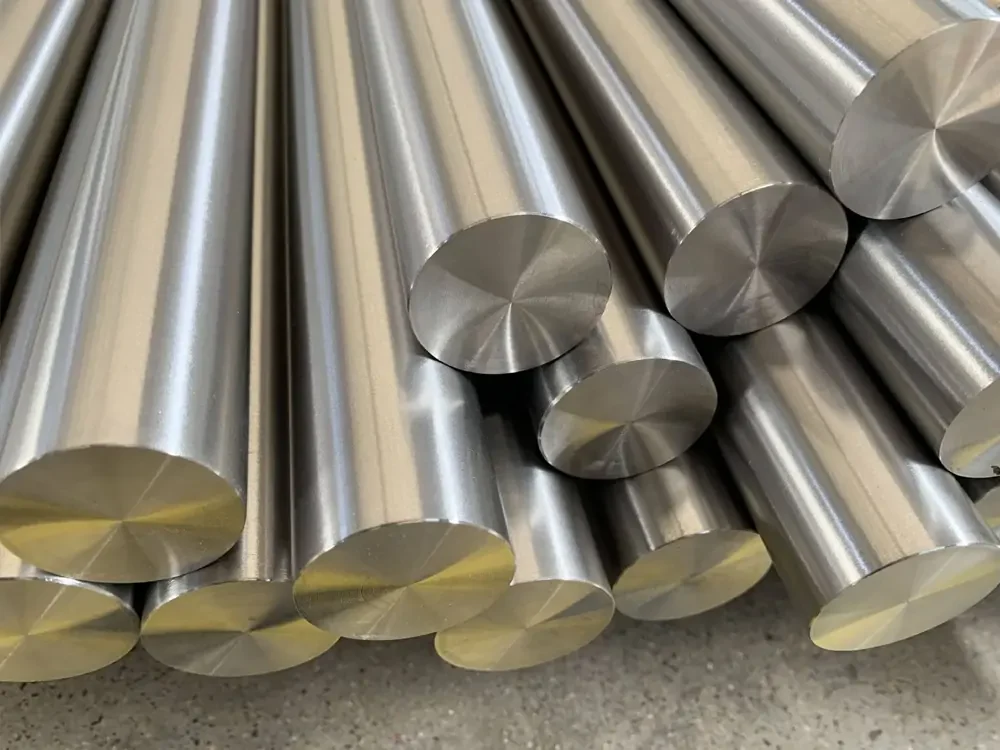
You may not be familiar with austenitic stainless steel. In fact, the most commonly used 304 and 316 grades of stainless steel both belong to the austenitic type! It contains a large amount of nickel and chromium, and its structure is very stable. Its plasticity and toughness are great, so it’s easy to process and shape. Moreover, because austenitic stainless steel is non-magnetic and has an extremely strong corrosion resistance, it is the preferred material for tableware, kitchenware, medical devices, and architectural decoration!
Martensitic Stainless Steel
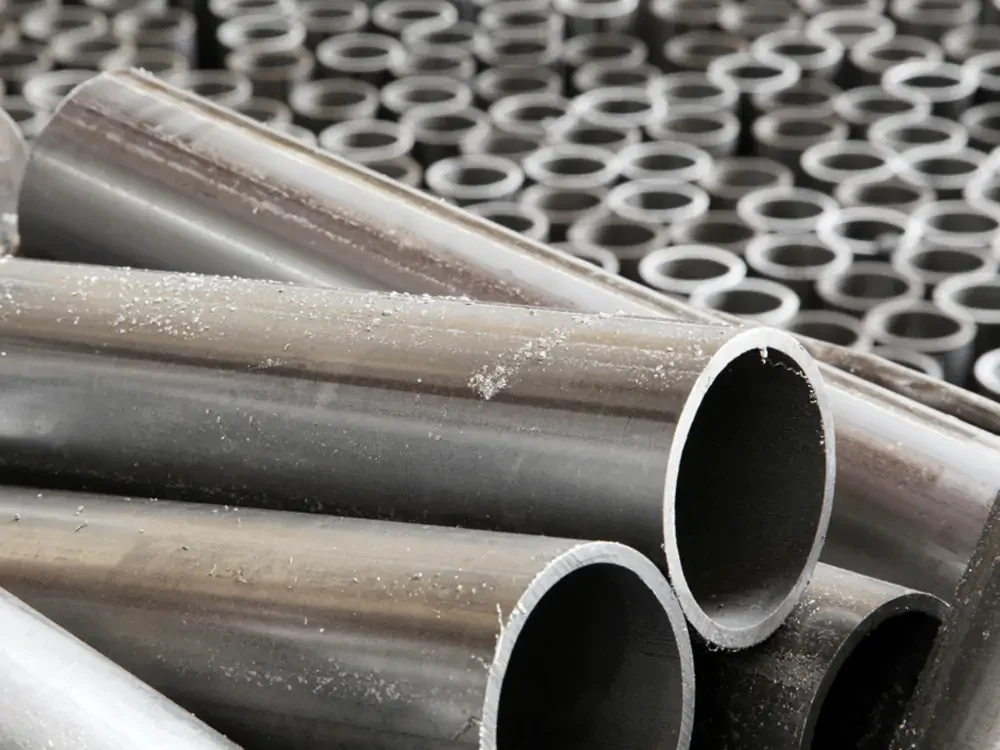
Unlike the flexibility of austenitic stainless steel, martensitic stainless steel is sharper and tougher! This type of stainless steel contains a relatively high amount of carbon. After heat treatment, it can achieve extremely high strength and hardness. At the same time, it is magnetic. Martensitic stainless steel has a bit less corrosion resistance than austenitic stainless steel. However, it is often chosen for tasks needing high hardness and wear resistance! For instance, most of the kitchen knives in our kitchen are made of martensitic stainless steel!
Ferritic Stainless Steel
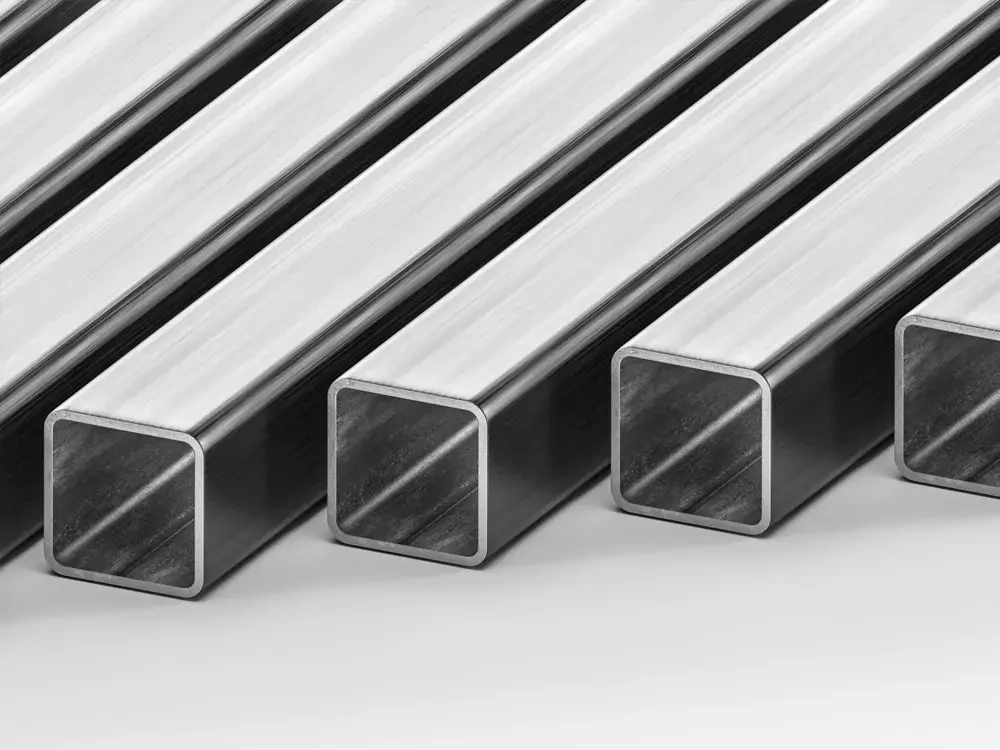
Ferritic stainless steel was Economical and practical. The typical representative of ferritic stainless steel is 430 stainless steel. It has a high chromium content but a low nickel content. Compared with austenitic martensite, its price is relatively economical. At the same time, the biggest advantage of ferritic stainless steel is its excellent oxidation resistance and chloride stress corrosion resistance. It has magnetic properties, moderate strength and plasticity, and is often used in automobile exhaust pipes, home appliances, building decoration materials, and on some occasions where corrosion resistance is not so demanding.
In total, austenitic, martensitic, and ferritic are three common steel structures: austenitic has good plasticity and toughness, and extremely strong corrosion resistance. Martensite has high hardness and is extremely sharp and tough. Ferritic has good plasticity and toughness, but its strength is relatively low. These three structures play a crucial role in the properties of steel materials. Through heat treatment, they can transform into one another, thereby producing steel materials with different properties.