
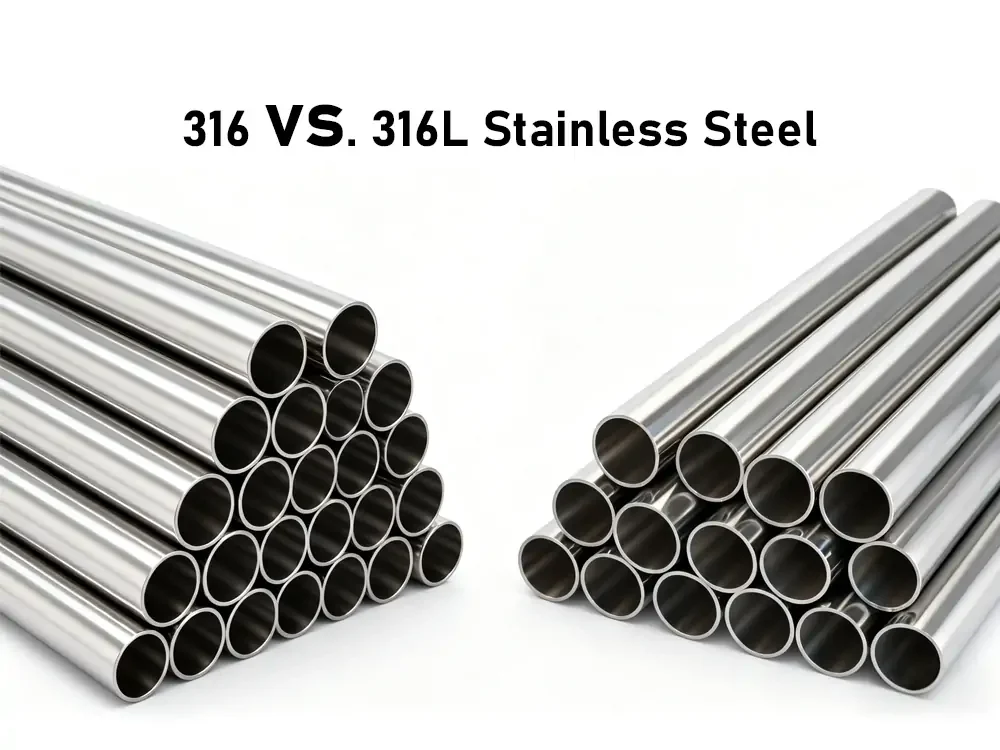
Introduction Various grades of stainless steel alloys are found in the market. Although they may appear to be the same, their composition of carbon, chromium, and other metallic elements differs. The added chromium quantity protects the alloy from corrosion and other damage. Within this wide range of stainless steel alloys, the 300 series is the…
Category Archives: Blog
25
Sep
Introduction Manufacturers know that stainless steel pipes are long-lasting and require minimal maintenance. These qualities make them useful for many tasks. They can carry fluids, strengthen building processes, and improve a building’s design. Their high functionality and attractive design make them the ideal choice for both durability and visual appeal in commercial and residential projects….
25
Sep
Introduction Manufacturers use stainless steel that is made from alloys of 18% chromium and 8% nickel, which forms 304 stainless steel. It also contains 0.08% of carbon, which provides it with excellent mechanical strength. The 304 stainless steel is more resistant to corrosion, durable, and provides the products with high strength. The material made from…
18
Sep
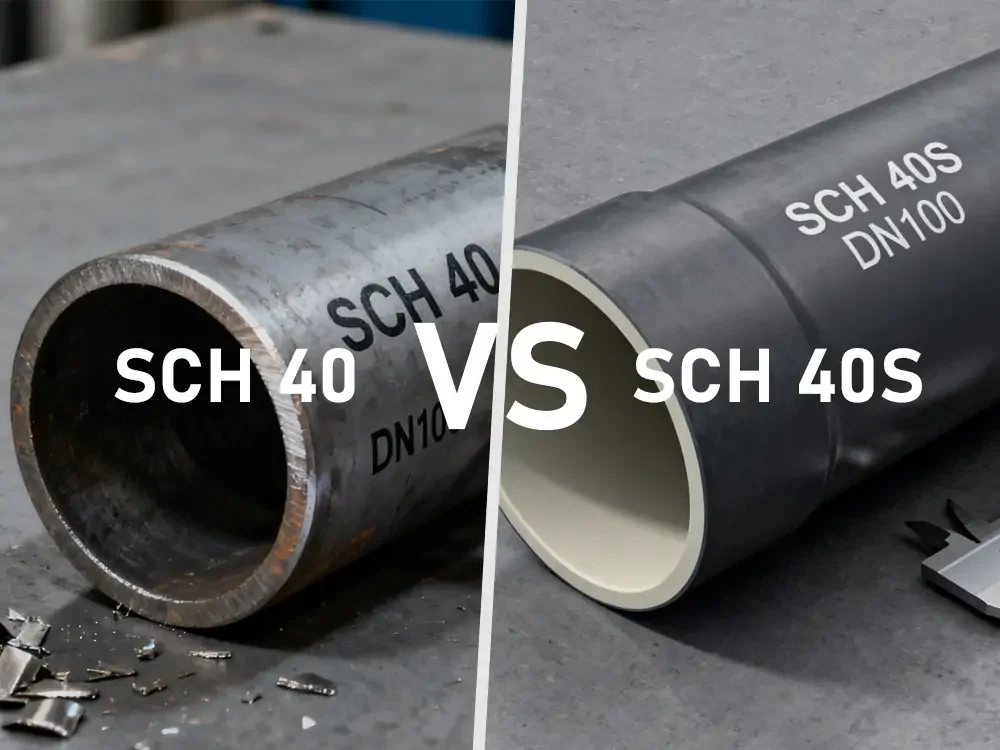
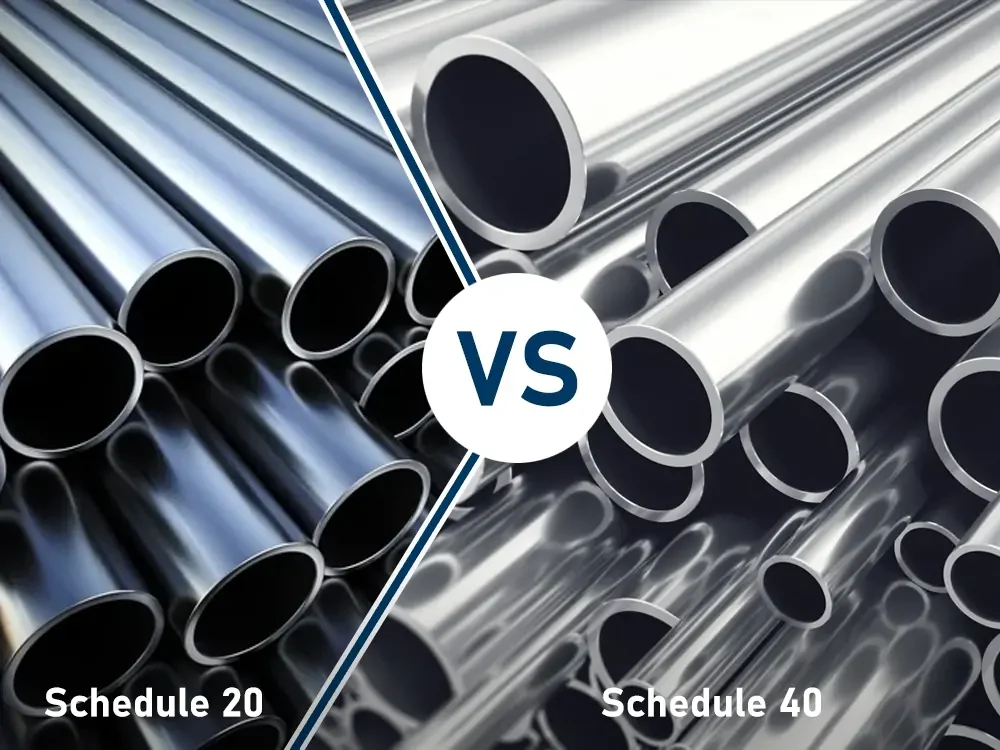
The use of standard pipes has vast applications in many areas, from construction to plumbing. Selecting the appropriate type can make a significant difference in the project’s duration. There are various pipes available on the market that manufacturers produce for customers to use in different areas. SCH 20, SCH 40, SCH 40S, and SCH 80…
28
Aug
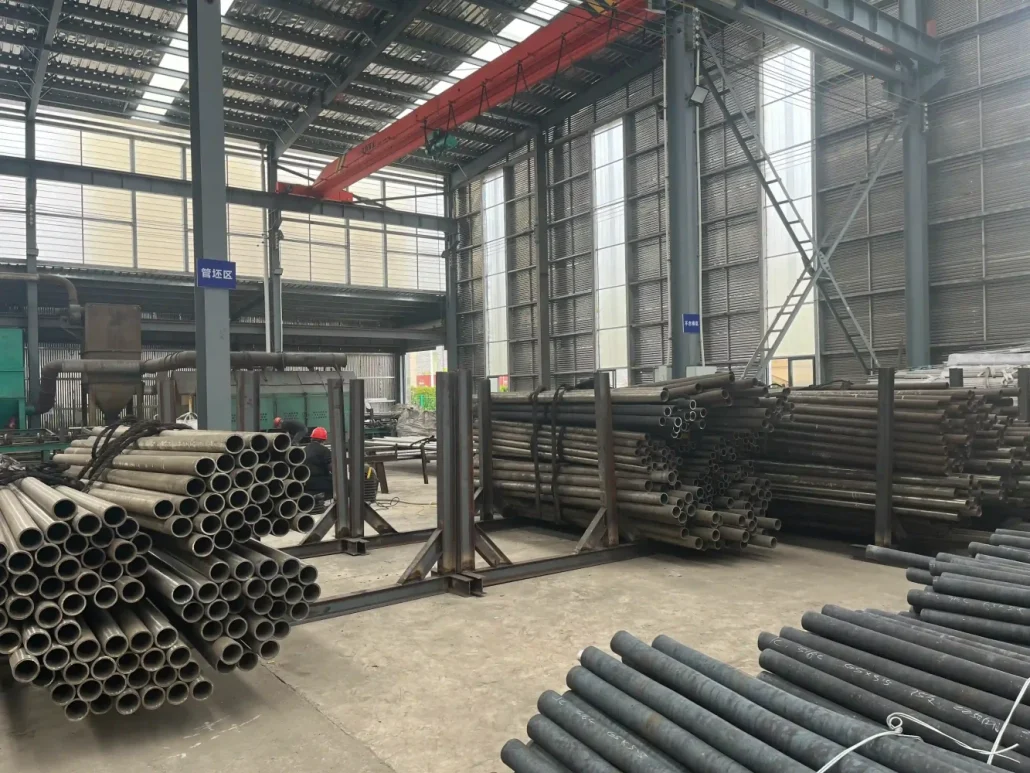
The pipe made of steel plays an essential role in most industries and day-to-day business. These pipes are applicable in a wide range of industrial processes. They primarily transport gases, water, and various other substances and liquids. When selecting a pipe for use, an accurate type is crucial because it influences cost, durability, and performance….
14
Aug
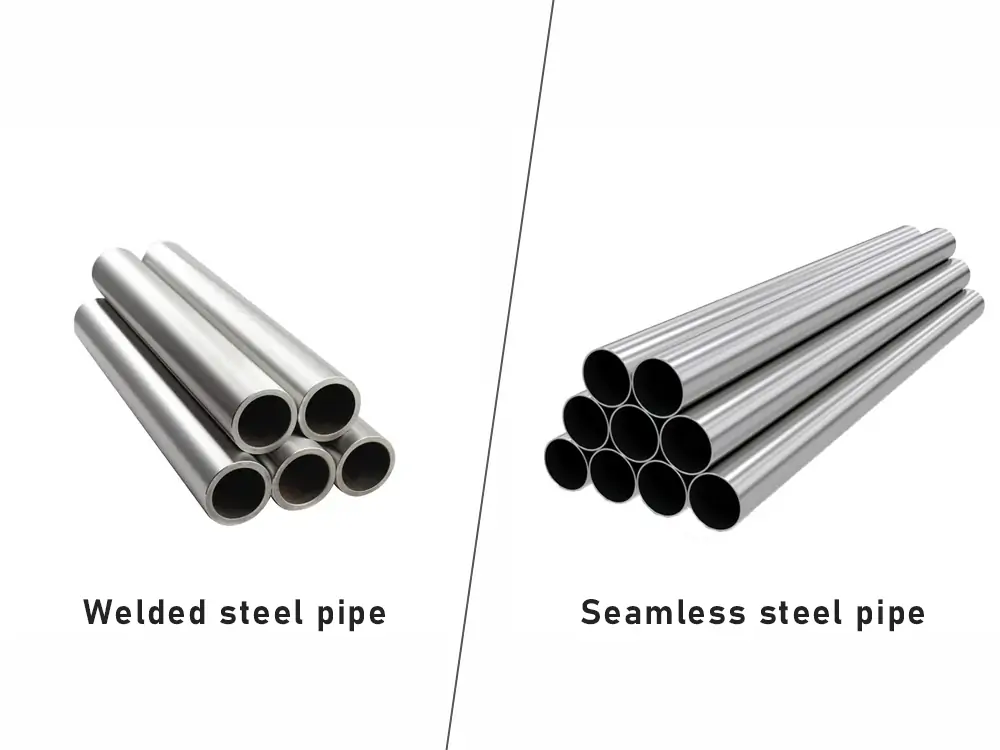
Previously, there were other processes through which people manufactured stainless steel pipes. Steel tubing has become a popular construction material because it does not corrode. There are two methods of manufacturing stainless steel tubes, which include welded and seamless. Such tubing systems can be applied in the transportation of gases and fluids, and that is…
14
Aug
Stainless steel pipes are popular. They resist corrosion, are durable, and strong. Every industry works according to the needs of the customer in the respective area. These industries supply stainless steel pipes to many sectors. This includes oil, gas, food processing, and construction. This article shares details about the top ten stainless steel pipe manufacturers…
06
Aug
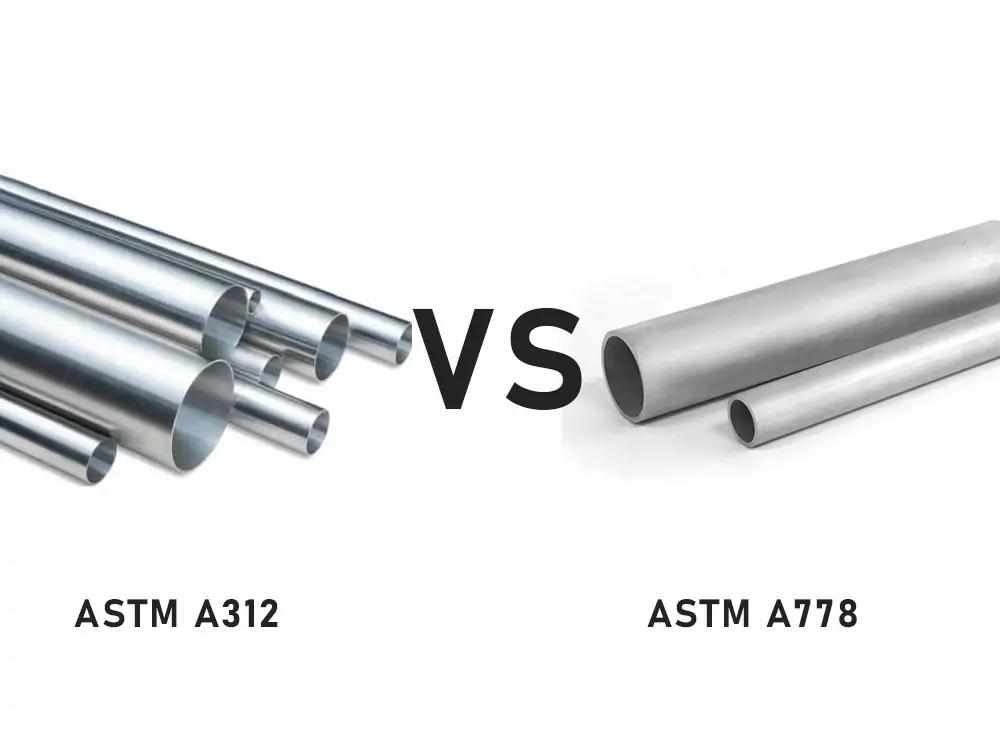
Specifications such as the ASTM (American Society of Testing and Materials) on stainless steel pipes may enable individuals to determine the durability, reliability, and corrosion resistance of the pipes. The most widely demanded specifications are ASTM A312 and ASTM A778. These two types are used during the manufacturing of austenitic stainless steel pipes. This paper…
29
Jul
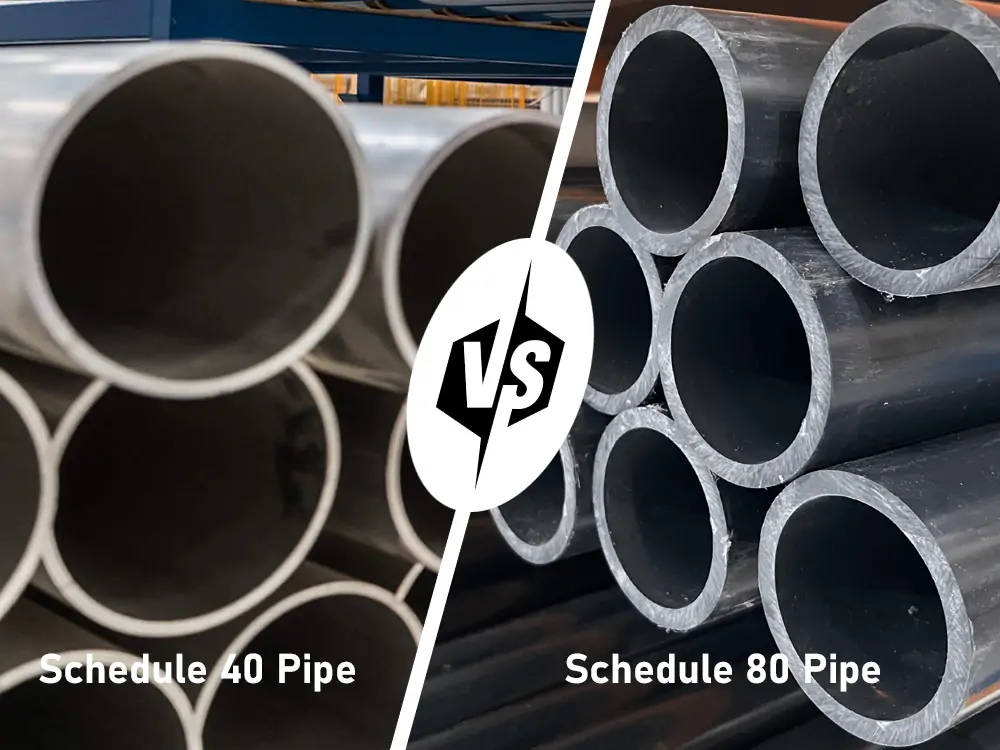
When selecting pipes for a project, diameter is only one of the crucial considerations. Pipe schedule is equally, if not more, important to understand and determine. Schedule 40 and Schedule 80 refer to wall thickness, not size. People often confuse the term “schedule” with pressure rating. That’s not how it works. The schedule number indicates…