
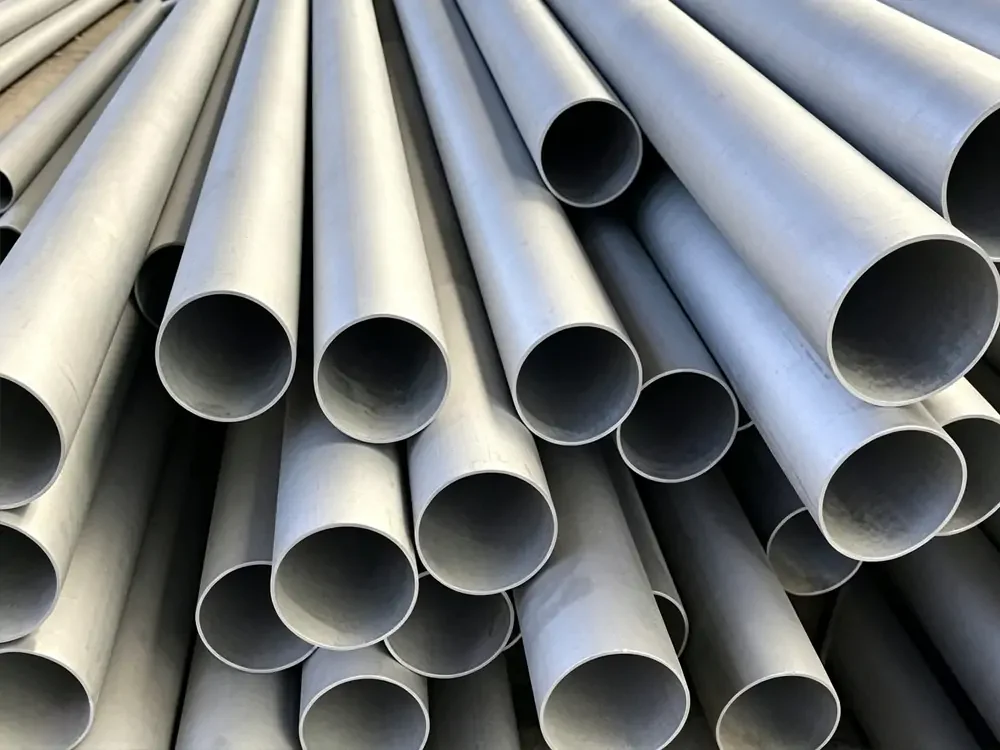
Stainless Steel Pipes are used in several industries, such as construction, oil and gas, petrochemicals, food processing, water treatment, power generation, and manufacturing. Low-quality materials can compromise reliability and may not offer long-term support. Therefore, selecting a stainless steel pipe exporter is critical. Today, we will discuss a comprehensive guide to choosing the right…
Category Archives: Blog
12
Sep
Sep
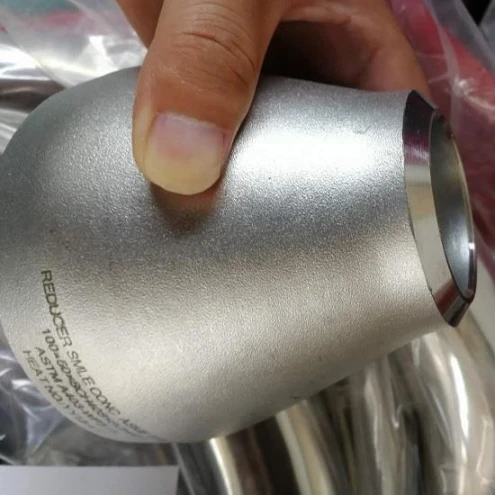
Stainless Steel fittings are critical for commercial buildings and construction projects. Wrong or incompatible fittings can cause failures or long-term damage. So, buy high-quality stainless steel products from top-notch suppliers. But the question is—how can you evaluate suppliers and find the right one? We’ll share tips for supplier selection and help you choose the…

08
Sep
Sep
Stainless Steel tubes are used in a variety of projects. They offer higher durability, better corrosion resistance, and long-term performance when you choose the right products from quality suppliers. But the question is—where do you find the right stainless steel tube manufacturers? If the same questions are flashing through your mind, don’t worry. We…
19
Aug
Aug
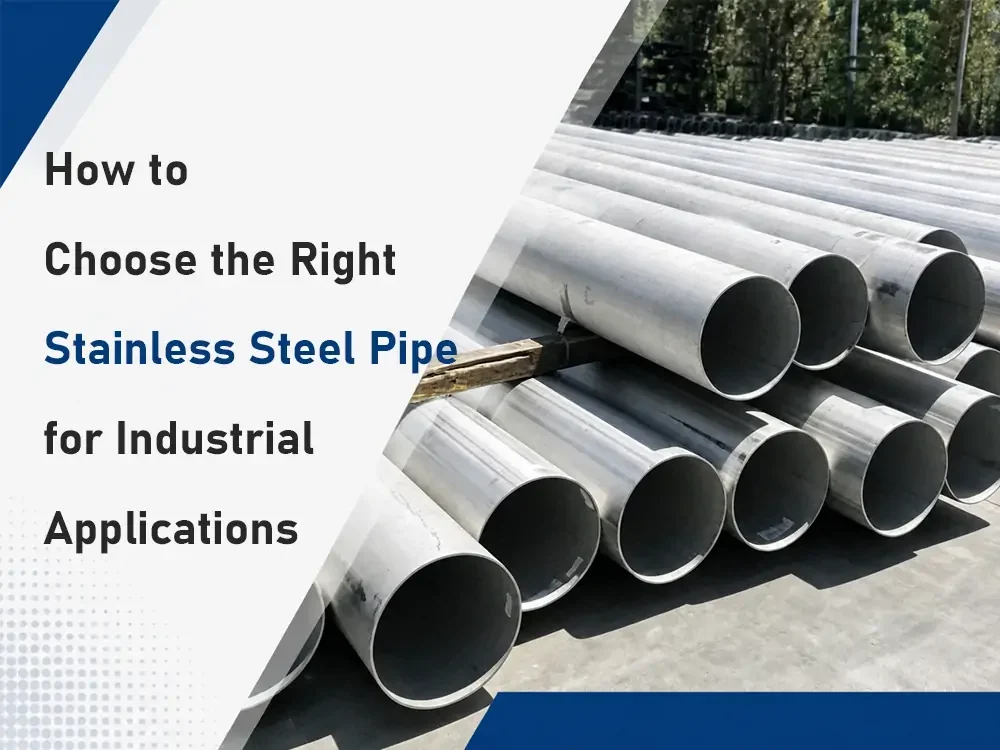
Selecting stainless steel pipes is a critical decision. The wrong materials can cause issues such as premature corrosion, leaks, excessive maintenance costs, and unexpected downtime. The right materials can improve equipment reliability, extend service life, and reduce total operating costs. Many buyers focus only on the pipe size and price. Critical selection depends on…
10
Aug
Aug
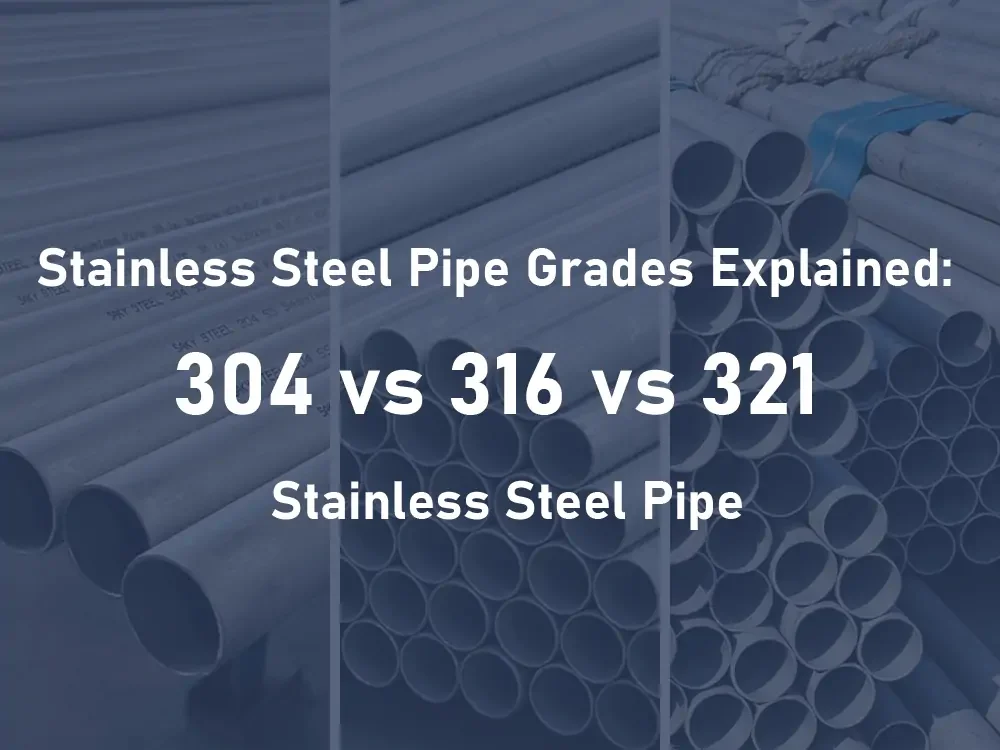
Stainless steel pipes are common tools used in different industrial sectors, but different types of the tools have different components and operate under different conditions. However, 304, 316, and 321 stainless steel pipes are the common grades of stainless steel pipes. They have different features and are suitable for different applications. In this guide,…
07
Jul
Jul
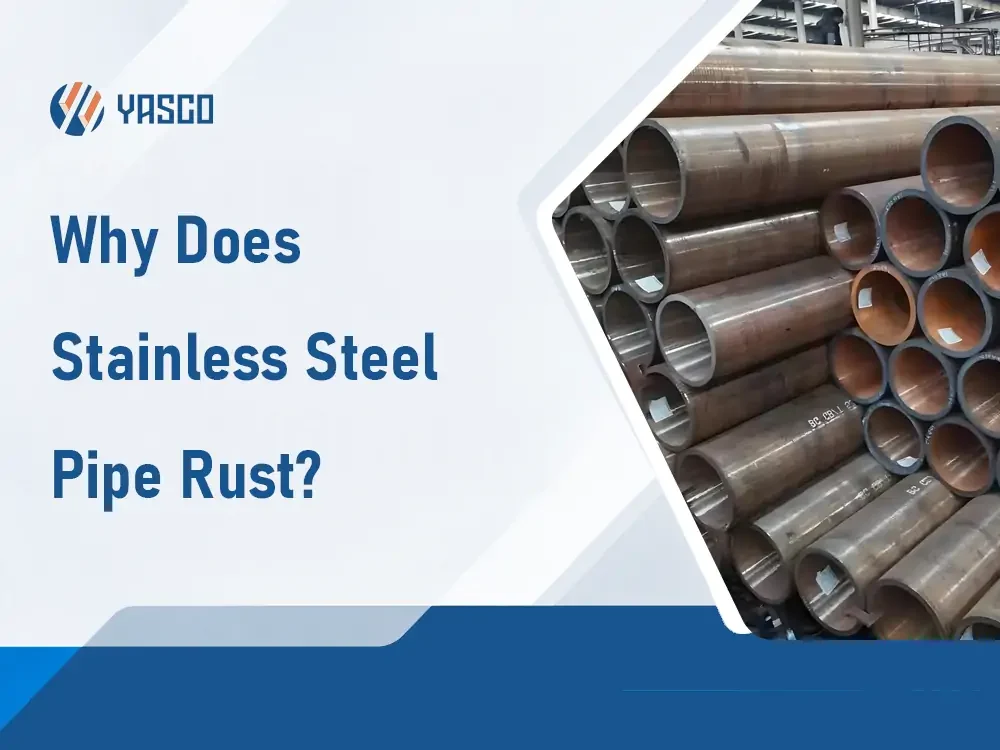
Introduction Water, chemicals, and gases are transported through stainless steel pipes in industrial plants, buildings, and coastal environments. The pipes are coated with chromium, which forms a very thin, invisible oxide layer on their surfaces. This layer protects the pipe and prevents air and water from coming into contact with the iron. If this layer…
07
Jul
Jul
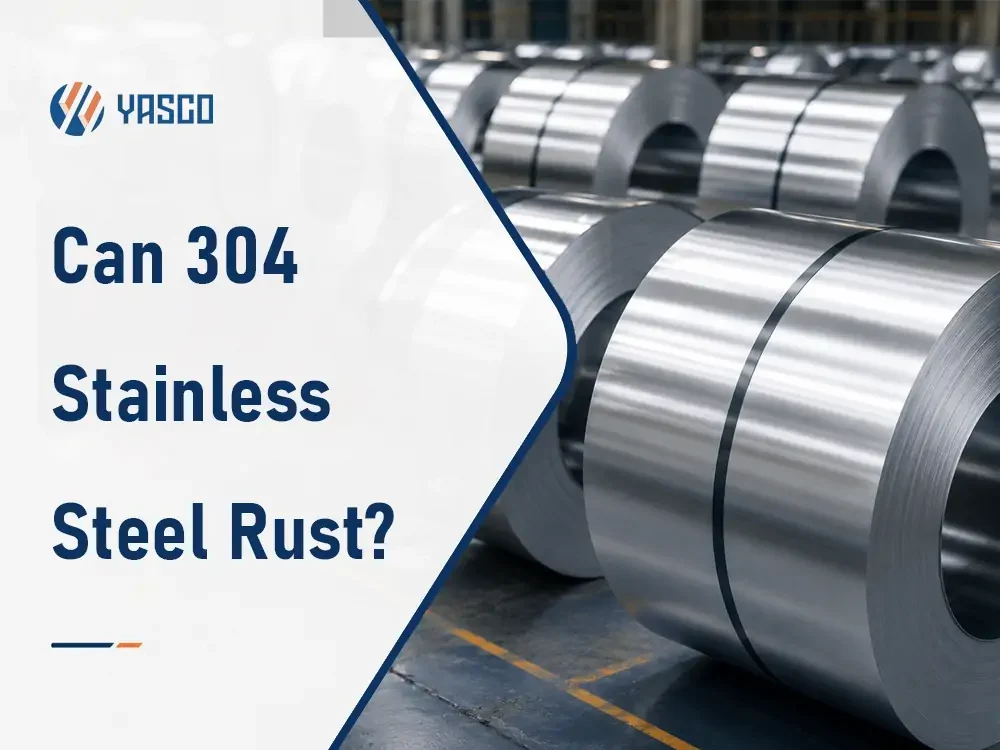
One misconception about stainless steel is that it is rust-free. However, it is not true, since stainless steel has a lower tendency to corrode than regular steel. But 304 stainless steel is not completely rust-free, especially in certain environments where corrosion can occur. This article explains 304 stainless steel and whether it can rust. It…
05
Jul
Jul
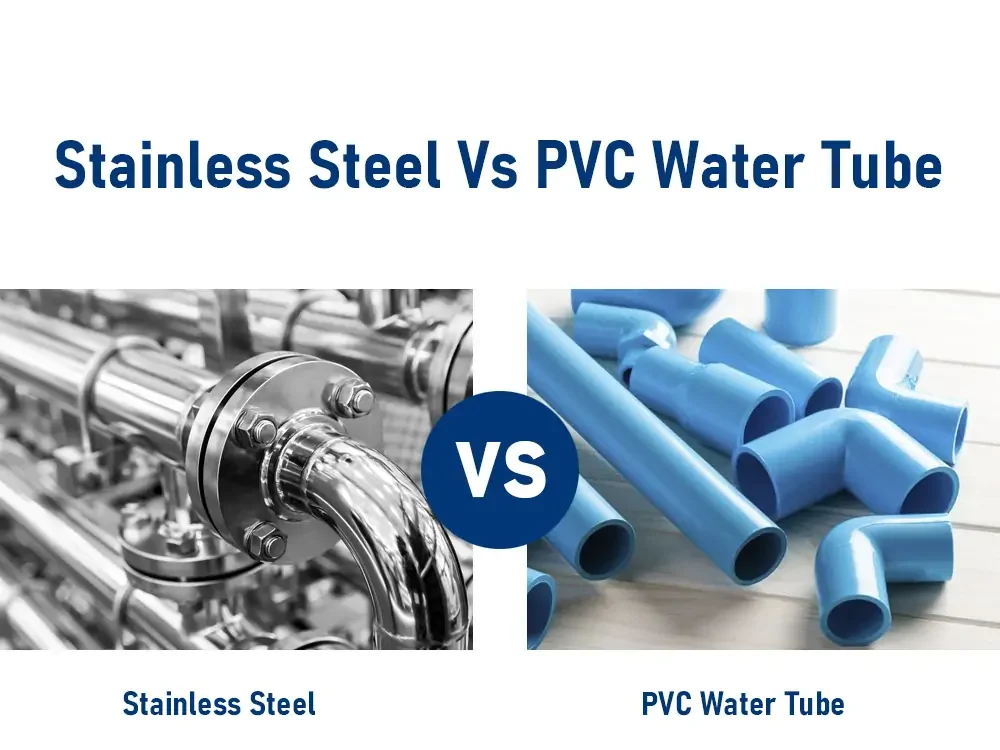
Selecting water tubes is important in every building project. Water is transported daily through pipes, so the material should be compatible with this task. Stainless steel and PVC are two popular options. Both are effective in various circumstances. This guide describes both simply using facts and numbers. Understanding the Materials Stainless steel is a metal…
05
Jun
Jun
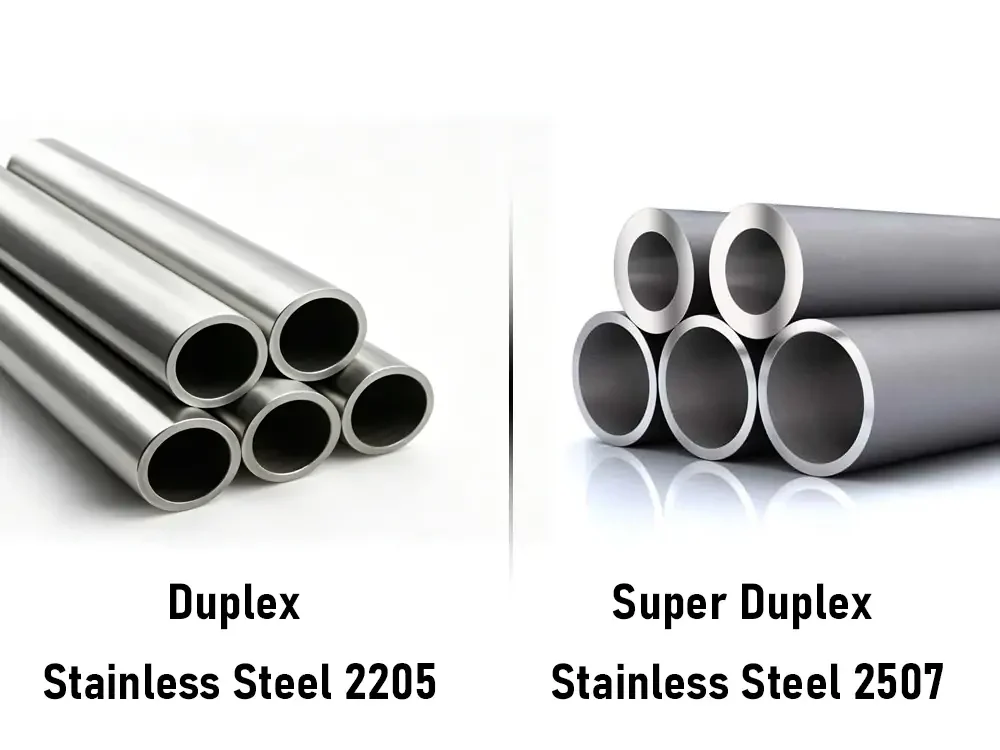
Introduction When engineers choose metals for rigorous applications, they consider three main criteria: toughness, corrosion resistance, and cost. In this article, you’ll learn about duplex 2205 and super duplex 2507. These two grades belong to the duplex stainless steel family. It consists of two types of metal structure, namely austenite and ferrite. We will look…
05
Jun
Jun
Choosing the right metal for your project can be tricky. Stainless steel is highly durable, corrosion-resistant, and rust-resistant. Some of its popular grades include 302 and 304 stainless steel. They are all classified under austenitic stainless steel. Their differences include carbon content, corrosion resistance, durability, and workability. Selecting a suitable grade will depend on its…