
Introduction
Stainless steel tubing is a key component in many industries. It offers smooth flow and helps prevent contamination. When choosing stainless steel tubing, you don’t have to focus only on durability. Factors like thickness can affect the overall properties of the stainless steel tubing.
Therefore, it is essential to understand and compare thin-wall vs. thick-wall stainless steel tubing. Today we will shed light on stainless steel tubing thickness and understand both types.
What is Thin-Wall Stainless Steel Tubing?
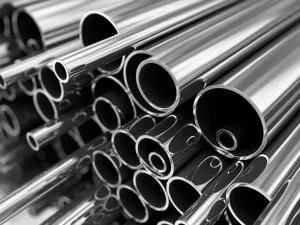
Thin-wall stainless steel tubing has a thin wall compared to its external diameter. It is easier to fabricate, weld, or cut.
Because of their thin walls, these tubes are lightweight and easier to handle. They are ideal for fluid transfer systems, automotive components, and medical equipment.
What is Thick-Wall Stainless Steel Tubing?
As the name suggests, thick-wall stainless steel tubing has a thicker wall relative to its external diameter. It offers high-pressure capacity, strength, and greater durability.
This type of tubing is used in:
- Hydraulic systems.
- Industrial machinery.
- Chemical processing equipment.
- Heavy-duty piping assemblies.
Thin-Wall vs Thick-Wall Stainless Steel Tubing: How Are They Different?
| Factor | Thin-Wall Tubing | Thick-Wall Tubing |
| Wall Thickness | Thinner walls | Thicker walls |
| Weight | Lightweight | Heavier |
| Material Usage | Less material | More material |
| Internal Diameter | Larger at the same outside diameter | Smaller at the same outside diameter |
| Pressure Capability | Suitable for lower-rated applications | Often suitable for higher-pressure applications |
| Mechanical Protection | More prone to dents | Better resistance to deformation |
| Bending and Forming | Generally easier | Requires more force |
| Material Cost | Usually lower | Usually higher |
Thin-wall tubing differs from thick-wall tubing in several ways.
Wall Thickness
Wall thickness is the key difference. It is often compared with the tubing’s external diameter.
Generally, thin-wall tubing has a low thickness. It is relatively thin compared to the external diameter. This thinner wall gives the tubing several features.
By contrast, thick-wall tubing is thicker relative to its external diameter. This thickness provides durability, pressure resistance, and mechanical strength.
Weight
The tubing’s weight depends on its thickness. A higher thickness means more stainless steel is used. This increases the tubing’s overall weight.
Thin-wall tubing is thinner and lightweight. By comparison, thick-wall tubing can be heavier. Weight depends on the thickness.
Material Usage
Material usage refers to the amount of steel used during production.
Thin-wall tubing uses less steel material than thick-wall tubing. As a result, it reduces overall steel waste during production. It also affects production costs.
In contrast, thick-wall tubing uses more steel. As a result, it can generate more waste and may cost more.

Internal Diameter
The internal diameter of tubing refers to its internal space, or lumen. Thickness determines the space as well.
Thin-wall tubing has a large internal diameter and offers low fluid resistance. They provide high flow capacity.
In contrast, thick-wall tubing has a smaller internal diameter. It creates more resistance to fluid and results in low flow capacity.
Pressure Capability
Pressure capabilities depend on material grade, temperature, quality, and design.
Thin-wall tubing withstands specified pressure ranges. It is often lower than those of thick-walled tubing. Thick-walled tubing offers better pressure compliance.
Mechanical Protection
Mechanical protection refers to resistance to mechanical stress.
Thin-wall tubing uses less stainless steel. It dents, crushes, and deforms easily under external forces.
By comparison, thick-walled tubing offers more mechanical protection. Its durability and mechanical strength help it withstand more stress and resist early deformation and wear.
Bending and Forming
If you are considering fabrication, thin-wall tubing is the ideal choice. They offer easier bending and forming with less force.
In contrast, thick-wall tubing resists mechanical forces. It requires more powerful cutting and bending with higher mechanical forces.
Material Cost
Material Cost depends on several factors, such as material usage, quality, and durability.
In this case, thick-wall tubing is more expensive than thin-wall tubing. This is because they use more steel during production and offer greater strength.
Common Applications
Thin-wall stainless steel tubing is often used in:
- Medical and laboratory equipment
- Automotive components
- Instrumentation systems
- Lightweight structures
- General-purpose fluid transfer
Thick-Wall Stainless Steel Tubing is ideal in:
- Hydraulic systems
- Heavy-duty machinery
- High-pressure fluid systems
- Industrial processing equipment
How to Choose Between Thin-Wall and Thick-Wall Stainless Steel Tubing?
Selecting the right tubing is essential for different applications. Consider the factors below when selecting stainless steel tubing.
Operating Pressure
Internal pressure is one of the most important factors. Stainless Steel Tubing must have sufficient operating pressure capacity for the liquid. Measure the constant pressure and surges. Then compare thick-wall and thin-wall tubing to select the right option.
Temperature And Environment
Temperature and environmental conditions have a greater impact on stainless steel. Thin tubing wears out faster than thick tubing because it has fewer durability features.
Evaluate Mechanical Loads
Tubing may experience stress under outdoor conditions. Understanding its mechanical resistance and durability is important. Thin-wall tubing is less durable than thick-wall tubing.
Calculate Required Flow Capacity
Flow capacity depends on the tubing’s internal diameter. This diameter varies between thin-wall and thick-wall tubing. Thin-wall tubing has a larger diameter and higher capacity. Select based on your flow capacity requirements.
Review Fabrication
Stainless steel tubing may behave differently in fabrication. Thin-wall tubing is easier to bend or weld, but it can be more vulnerable. Thick-wall tubing requires more energy to weld, bend, or cut. Choose the right option based on your requirements.
Compare Total Costs
Total cost can be a decisive factor. If you’re on a tight budget and need to choose the right option, keep this in mind. Thin-wall tubing isn’t expensive but may not last as long. If durability is your priority, thick-wall tubing is the best option.
Conclusion
Thick-wall and thin-wall stainless steel have different features. They suit different conditions. For example, thick-wall tubing is suitable when you need durability and mechanical strength. Thin-wall tubing offers a lightweight design and easier fabrication. However, choose based on your project requirements and conditions.
For stainless steel tubing solutions, you can contact top-notch suppliers. Hnyasco is a leading name in the industry. They produce high-end tubing with high durability and a long lifespan. Contact our experts for a quote for your project!