
Choosing the right metal for your project can be tricky. Stainless steel is highly durable, corrosion-resistant, and rust-resistant. Some of its popular grades include 302 and 304 stainless steel. They are all classified under austenitic stainless steel.
Their differences include carbon content, corrosion resistance, durability, and workability. Selecting a suitable grade will depend on its intended use. Here are some key differences between 302 and 304 stainless steel.
Understanding 302 and 304 Stainless Steel Grades
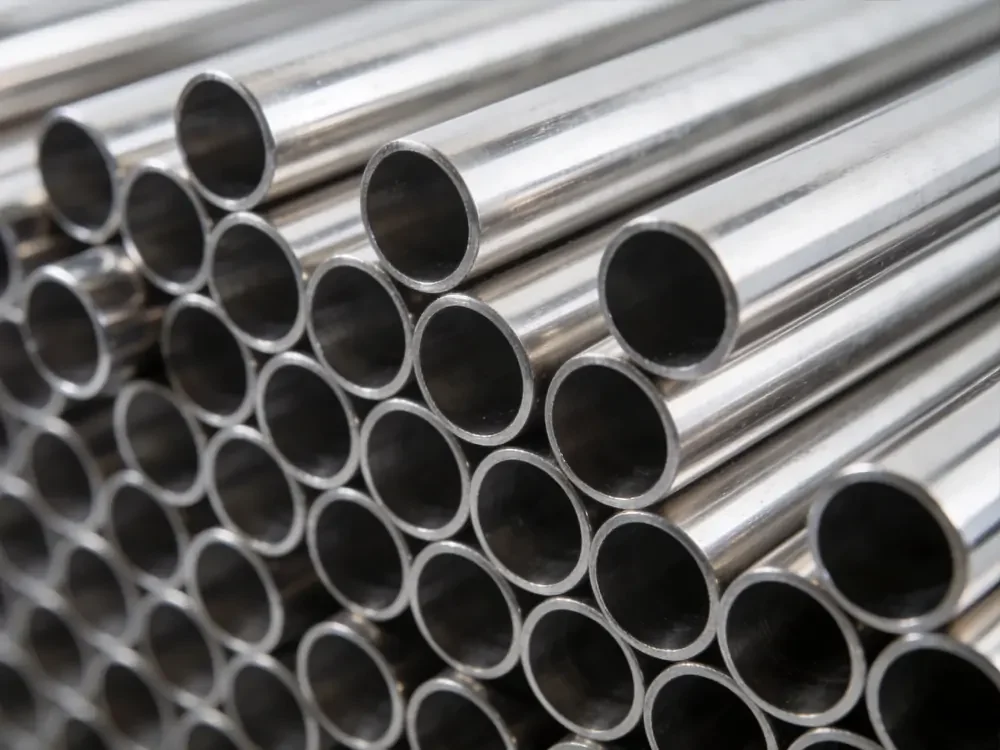
The 302 and 304 stainless steel alloys contain both chromium and nickel. This higher carbon level makes it harder and stronger. Their key differences stem from varying carbon levels.
The carbon content of 302 stainless steel may reach 0.15%. Such a high content provides additional strength and hardness. Meanwhile, 304 stainless steel has no more than 0.08% carbon. Such low levels contribute to corrosion resistance and increased weldability.
Comparison Between 302 and 304 Stainless Steel
See the handy chart below to compare 302 and 304 steel.
| Feature | 302 Stainless Steel | 304 Stainless Steel |
| Carbon Content | Up to 0.15% | Up to 0.08% |
| Chromium Content | 17–19% | 18–20% |
| Nickel Content | 8–10% | 8–10.5% |
| Tensile Strength | Around 585 MPa | Around 515 MPa |
| Yield Strength | Around 240 MPa | Around 205 MPa |
| Corrosion Resistance | Good | Better |
| Weldability | Moderate | Excellent |
| Machinability | Harder to machine | Easier to fabricate |
| Hardness | Higher | Moderate |
| Common Uses | Springs, wires, washers | Kitchen equipment, piping |
Cost Difference: 302 vs 304 Stainless Steel
The two alloys have similar costs. However, 304 has a slightly higher cost. The ease of welding and forming makes 304 a worthwhile choice. Where welding is unnecessary, 302 is definitely the better choice at a lower cost. Both alloys are equally suitable and affordable.
Welding Performance of 302 vs 304 Stainless Steel
Both 302 and 304 can be welded using standard welding methods. It is easier to weld 304 because it contains less carbon.
In steel welding, carbon combines with chromium at the surface near the weld. This process, known as carbide precipitation, occurs when chromium can no longer provide corrosion protection, leading to corrosion.
Because 302 has a higher carbon content than 304, it is more susceptible to corrosion after welding. This phenomenon, known as intergranular corrosion, can be minimized through post-weld heat treatment and annealing.
Comparing 302 vs 304 Melting Points
The melting temperature range of 302 stainless steel is 1399-1421 °C. On the other hand, the melting temperature range of 304 stainless steel is 1400-1450 °C. Grade 304 performs better in extremely high temperatures and highly saline environments.
Applications and Best Uses
Now, let us look at different applications for both grade 302 and grade 304.
302 Stainless Steel is best for:
- High-strength springs that need to bounce back.
- Industrial fasteners and clips.
- Screen wire and mesh are used in factories.
304 Stainless Steel is best for:
- Pans, pots, and kitchen appliances.
- Tanks for milk or soda.
- Outdoor railings and water pipes.
Where Each Grade Is Used by Industry
- In manufacturing, 304 is used in tanks and conveyors.
- In construction, 304 is used in handrails, panels, and wall cladding.
- In the automobile industry, both grades are utilized.
- 304 is commonly used in exhaust components and applications that expose it to moisture.
Conclusion
Both grades 302 and 304 are durable and dependable stainless steels. Ultimately, the deciding factors should be based on operating conditions, fabrication processes, and the application environment. You can now understand which grade you should select for your application.
- Select type 302 stainless steel when high strength, increased hardness, and good wear resistance are required.
- Select type 304 stainless steel where increased corrosion resistance and easy weldability are required.