
Seamless stainless steel pipes are highly important in contemporary industrial systems. These pipes are a supporting element of power generation and thermal systems.
Seamless pipes are suitable for high pressure and extreme temperatures. These pipes are more effective than welded pipes. They don’t have joints. They are corrosion-resistant. These pipes are crucial in oil and gas transportation systems.
The content explains the detailed knowledge of stainless steel seamless pipes. It also highlights its manufacturing process. It also brings out their fields of application and industrial experience.
What is the Stainless Steel Seamless Pipe?
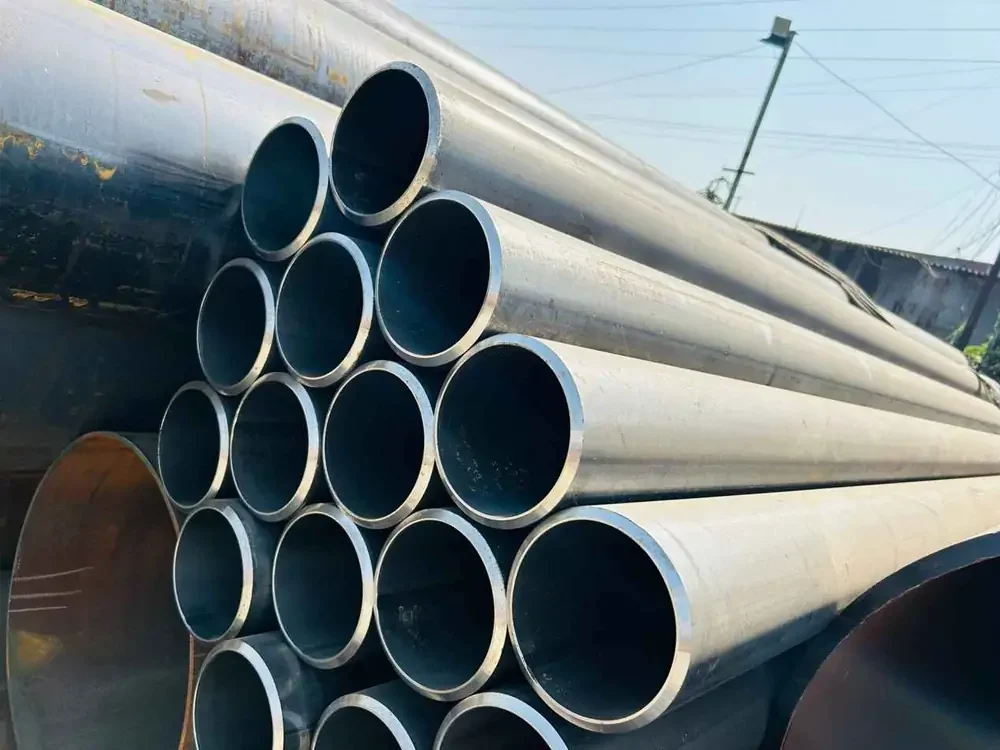
- Seamless pipes are made out of a hard steel billet. This billet is heated and pierced to form a tube.
- Stainless Steel Seamless Pipe is designed like a hollow cylinder. They are a weld-free product. Their inner smooth surface aids fluid flow.
- There is no weld seam on the pipe. It is equally strong all the way along its length.
- These pipes withstand high-pressure and corrosive liquids. They work properly for high temperatures.
Stainless Steel Seamless Pipe Manufacturing Process
The steps involved in the manufacturing process are:
- The material used in the manufacturing process is a solid, round stainless steel billet.
- The billet is heated up to a high degree.
- In the center, a piercing is used to produce a hollow tube. The tube is molded by extrusion.
- The pipe undergoes heat treatment. This process increases its mechanical properties.
- Finishing the surface is necessary to get high quality. Final testing is conducted in accordance with ASTM and API standards.
Common Material Grades
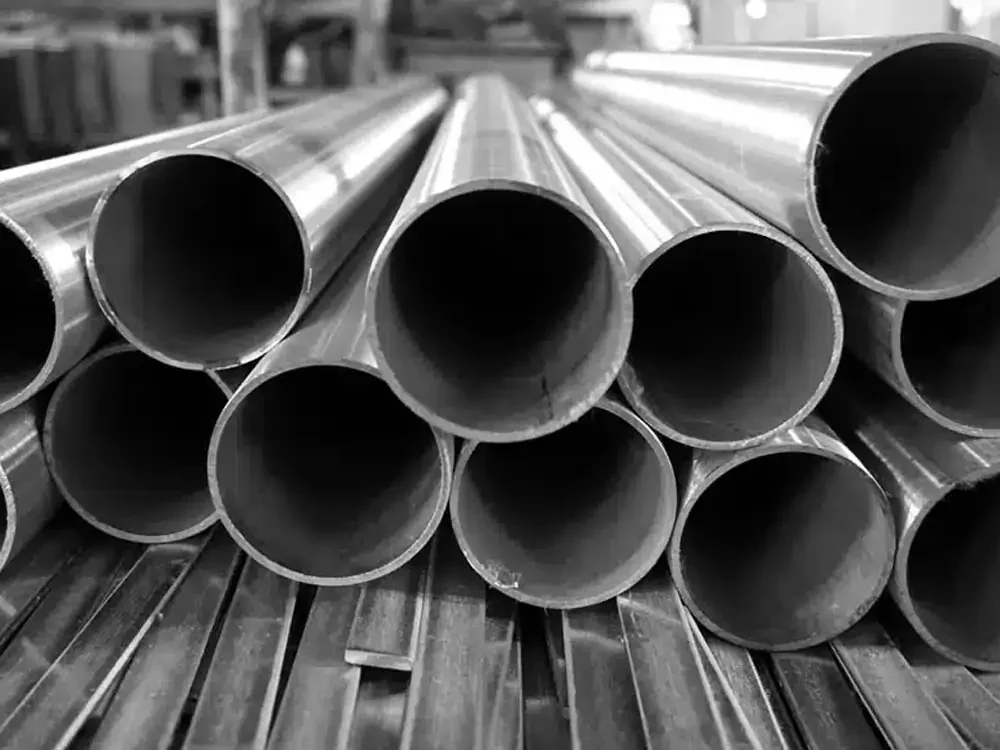
- 304 grade is highly corrosion-resistant. Therefore, they have wide industrial applications.
- Seamless pipe is also available in 321 grade. It contains titanium and can withstand heat.
- Seamless pipes are made up of 310 grade. It is economical in difficult tasks and has good flexibility and structural strength. This grade is most suitable for high and cryogenic temperatures. It is well oxidized-resistant.
- 316 grade is a material for seamless pipes. They can be used in marine and chemical environments.
Stainless Steel Seamless Pipe Applications
- The oil and gas sectors and chemical processes use seamless pipe applications very frequently.
- These pipes play a significant role in the chemical and petrochemical industry. They safely transport aggressive chemicals under high temperatures.
- Seamless pipes are also available in thermal and solar systems, heat exchangers, and boilers.
- These pipes have good strength and strong durability. They are rich in a hygienic nature. They are popular for the medical equipment and aerospace parts. They are also in water treatment systems.
- Stainless steel seamless pipes are used extensively where strength, corrosion resistance, and reliability are critical.
- Seamless pipes are lightweight. They require minimal maintenance. So, they are more suitable for long-term installation.
How to Choose Stainless Steel Seamless Pipe?
- Suppliers should meet the international standards. Ensure that you are working with a reputable supplier.
- Select the right grade to choose the right seamless pipe. Temperature, pressure, and exposure to corrosion are concerning factors.
- Have a notice on the fitting pipe diameter. Also, focus on the thickness of its wall. Heavy-weight walls are more suited to high-pressure and severe conditions.
- Investigate the surface finish. A flawless surface increases corrosion resistance and durability.
Conclusion
Stainless steel seamless pipes are a good solution for the high industrial demand. They have a joint-free design with excellent strength and extreme performance. The manufacturing process would help determine the material’s grade. It guarantees the product’s long service life in terms of safety. Industrial costs can be reduced by choosing the right grade. The appropriate pipe size and the right supplier guarantee efficiency and safety.