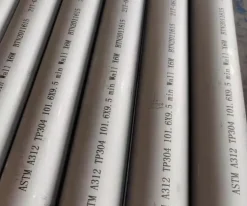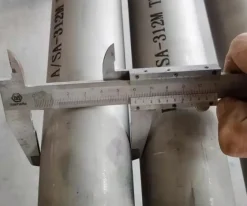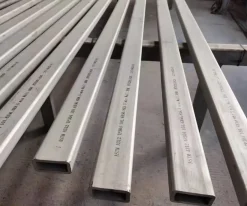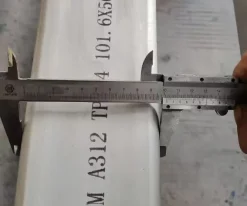
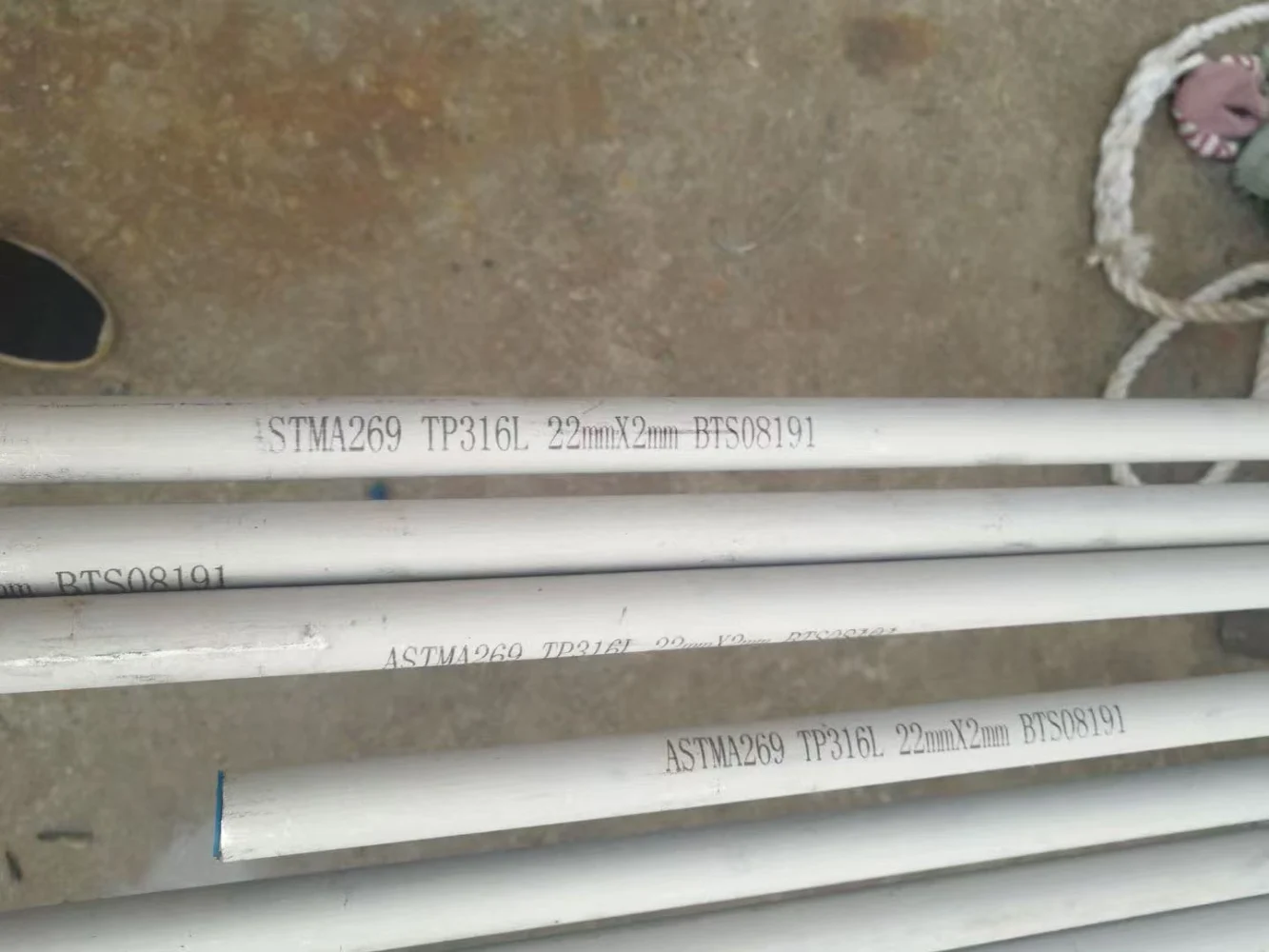
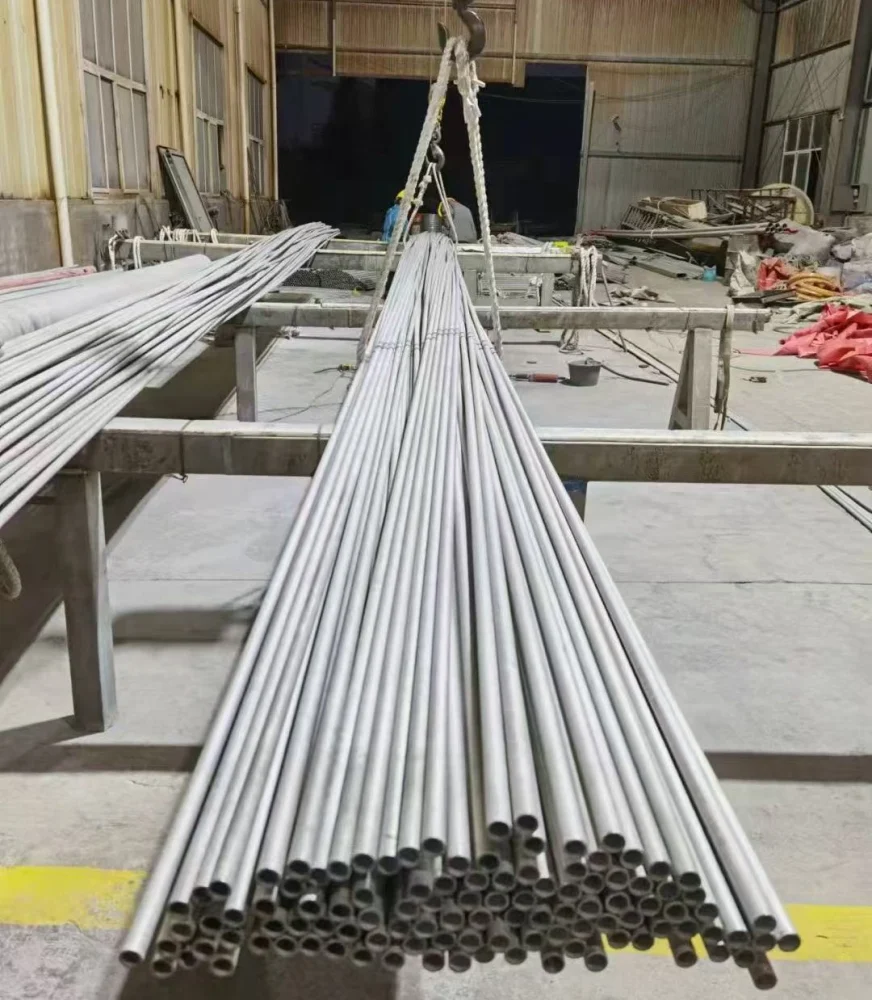
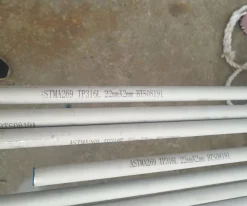
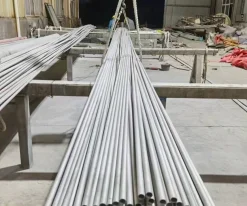
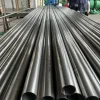
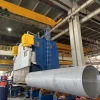
Introduction of ASTM A269 Stainless Steel Tubing for Boiler and Heat-Exchanger
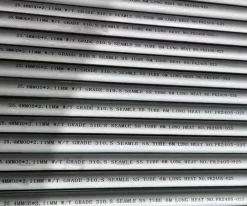
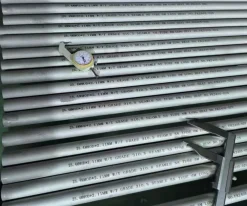
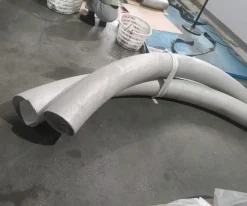
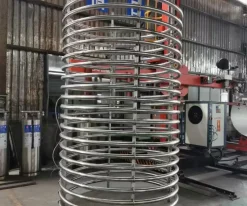
This product is strictly produced in accordance with the dual standards of ASTM A269 and is specifically designed for use in thermal equipment, such as boilers and heat exchangers. It is made from high-quality austenitic, ferritic, and other series of stainless steel raw materials through precision rolling, bright annealing, and other processes. ASTM A269 stainless steel tubing exhibits excellent heat resistance, corrosion resistance, and mechanical properties. It can be adapted to complex working conditions involving high temperatures, high pressures, and multiple media, providing core pipe material support for the efficient operation of thermal systems.
The Core Advantages of ASTM A269 Stainless Steel Tubing
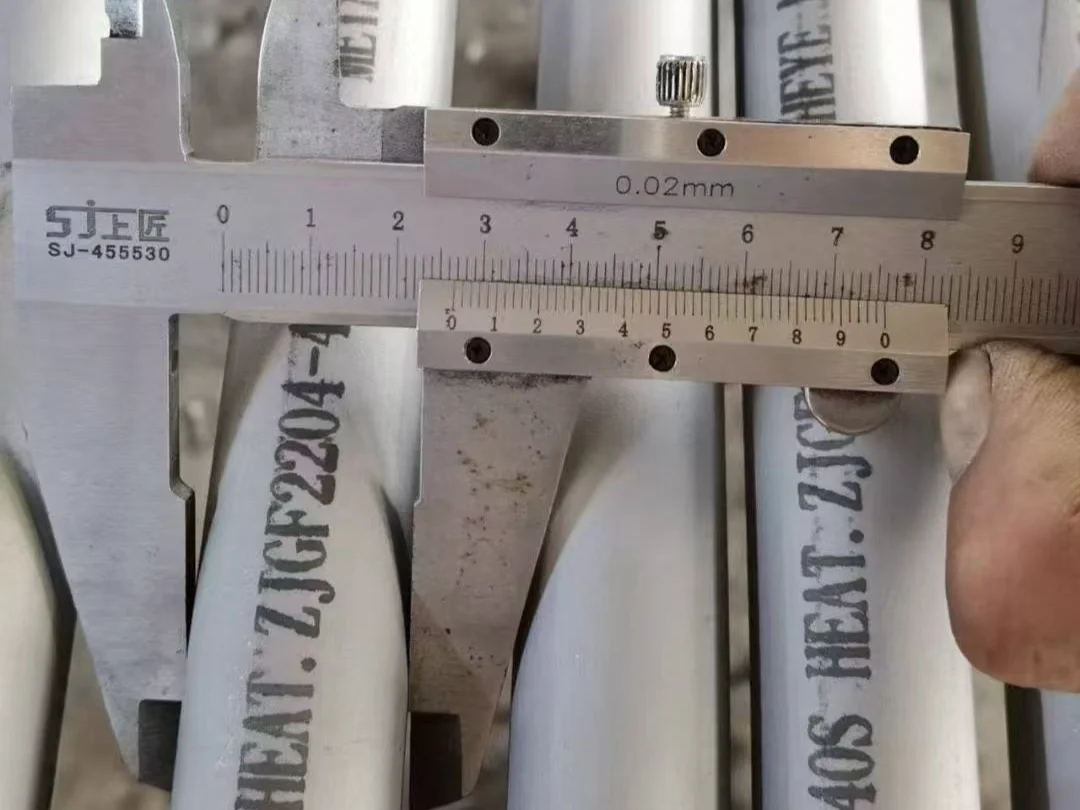
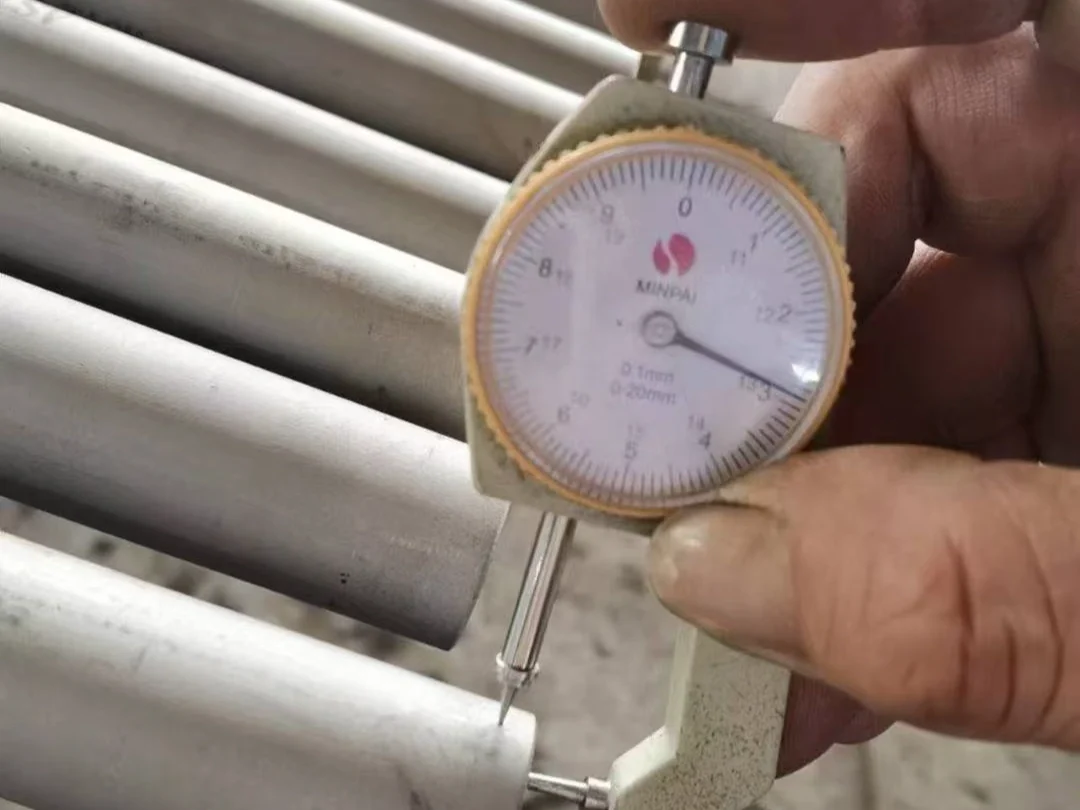
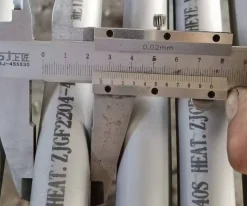
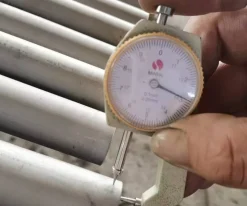
- Dual-label compliance, quality control ability: The entire process is benchmarked against ASTM A269 standards. Dimensional accuracy, including outer diameter and wall thickness tolerances, as well as surface quality without cracks or scratches, has been verified through third-party testing. Complete quality assurance documents are available for review.
- Powerful performance, wide adaptability: Stainless steel can be selected according to needs, including grades 304, 304L, 316, and 316L. It can withstand steam, weak acids, weak alkali, and high-temperature heat transfer oil, with an applicable temperature range of -196°C to 650°C, meeting the needs of multiple scenarios.
- Durable and reliable: ASTM A269 tubes are strong and tough, standing up to repeated heating and pressure changes without cracking or deforming, which keeps operations safe and steady.
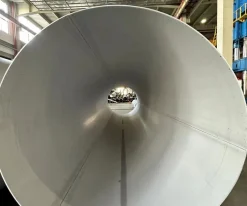
- Efficient and energy-saving: The smooth inner surface lowers resistance and prevents scaling, improving heat transfer, while even wall thickness helps the system run reliably and save energy.
ASTM A269 Tubing Tolerance Requirements
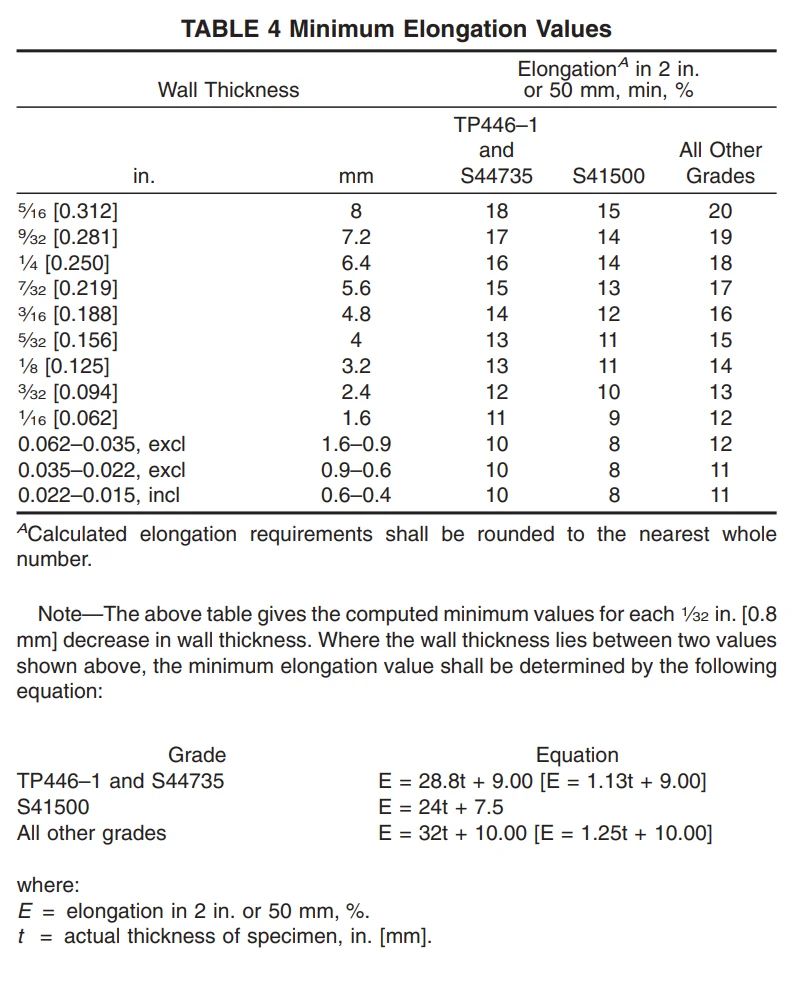
ASTM A269 Tubes Mechanical Properties

ASTM A269 Stainless Steel Tubing Production Process
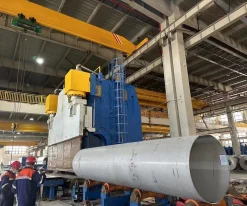
- Precision Forming: ASTM A269 stainless steel tubing is made of a cold-drawn or cold-rolled process, the outer diameter and wall thickness tolerances of the pipe are controlled within ±0.05mm, and the straightness error is ≤ 1mm/m.
- Bright Annealing: The annealing process takes place in an inert gas environment. This prevents the pipe’s surface from oxidizing. Consequently, it forms a uniform microstructure. This enhances the pipe’s corrosion resistance and flexibility, while reducing the risk of cracking during subsequent processing.
- Clean Treatment: The finished products undergo multiple cleaning processes, such as passivation and high-pressure water flushing. The inner wall is free of oil stains, oxide scale, and impurities, meeting the hygiene standards for industries such as food and pharmaceuticals.
Materials of ASTM A269 Stainless Steel Tubing
| Material | Features | Applicable | Typical Application Scenarios |
| 304/304L | Good Versatility, good corrosion resistance, heat resistance | Medium and low temperature (≤450℃) neutral medium working conditions | Civil boilers, air conditioning heat exchangers |
| 316/316L | Better resistance to pitting corrosion and intergranular corrosion | Resistant to corrosive media such as seawater, weak acids and alkalis | Harsh scenarios such as chemical engineering and Marine engineering |
| 321 | Outstanding high-temperature oxidation resistance and creep resistance | High-temperature environment ranging from 500℃ to 650℃ | Superheater components for power station boilers |
| 430 | Ferritic stainless steel is low in cost and has good oxidation resistance | A low-pressure, non-corrosive high-temperature environment | High-temperature ventilation and heat exchange scenarios |
Applications
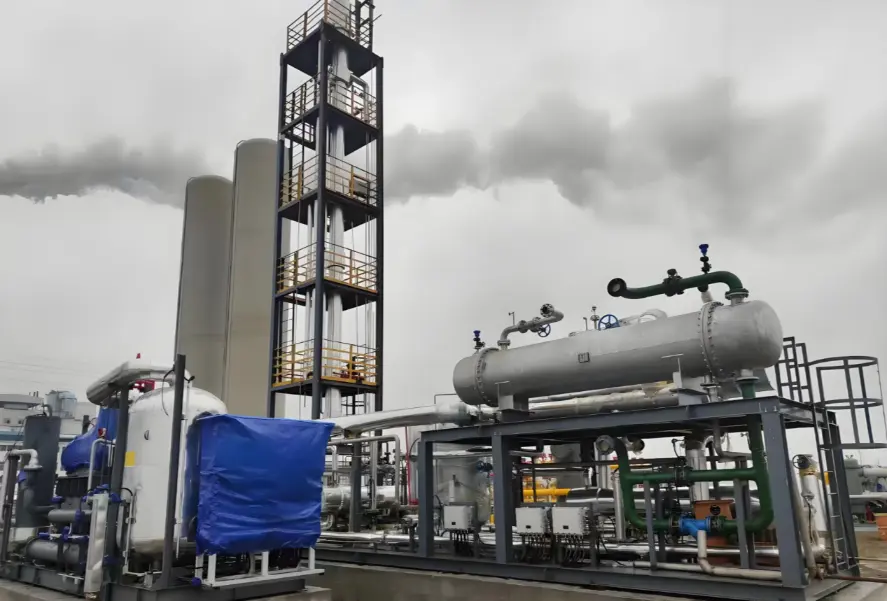
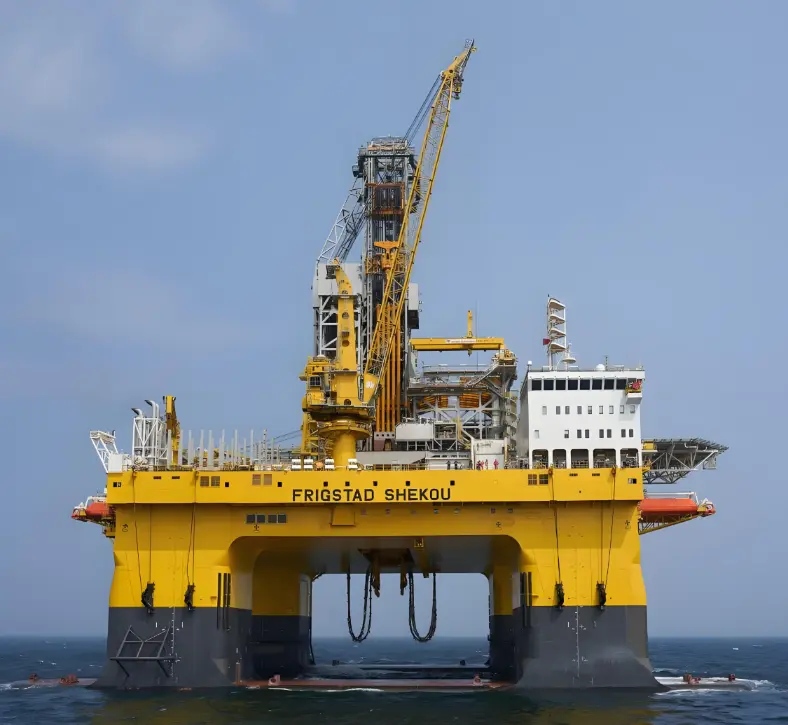
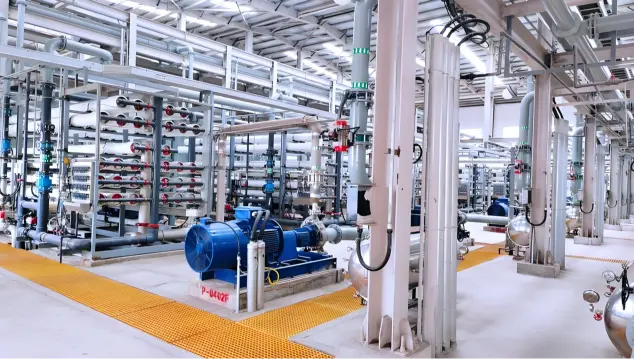
ASTM A269 stainless steel tubing can be used in water-cooled walls, superheaters, economizers, and other components of power station boilers and industrial boilers. It is also suitable for shell-and-tube and plate heat exchangers in the chemical, petroleum, and pharmaceutical industries, as well as condensers and evaporators in refrigeration equipment and air conditioning systems, and thermal transmission pipelines in the food processing and beverage industries.